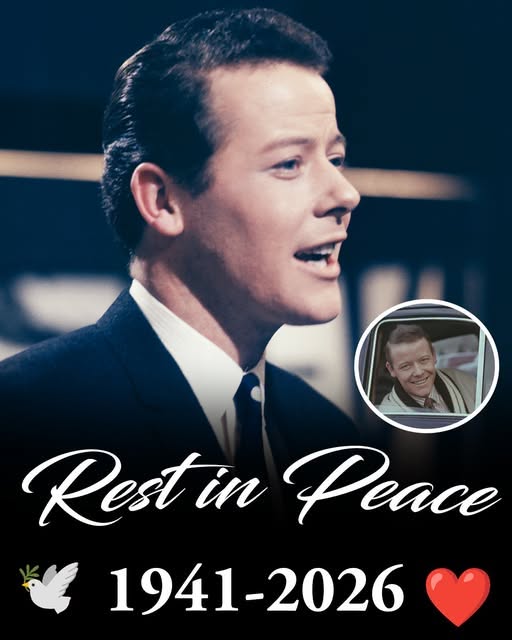
Born Terence Perkins in Newport on the Isle of Wight, the singer began his life far from the bright lights of the recording studio. As a teenager, he balanced the demands of working as a milkman and farm hand with a budding interest in music. Encouraged by his mother, Mildred, he entered a local talent contest, winning a modest prize that served as the catalyst for his transition into the professional entertainment world. His early potential was quickly recognized by a local cinema manager, setting him on a path that would lead him to national fame.
The transformation from Terence Perkins to Craig Douglas was orchestrated by his manager, Bunny Lewis. Seeking a name that felt distinct and memorable, Lewis spotted the surname Douglas on a house in Scotland and felt it possessed the perfect ring for a rising star. It was a strategic choice that helped him stand out in a crowded field of performers, and the name soon became a staple on radio stations and record players across the United Kingdom. His ascent was rapid, marked by a natural charisma that resonated with audiences who were eager for new, relatable voices.
By 1959, his efforts culminated in a monumental achievement when he was voted Best New Singer by NME. That same year, he recorded the song that would define his career, Only Sixteen. Captured at the iconic Abbey Road Studios, the track climbed to the top of the UK charts, where it famously outsold the original version by Sam Cooke. For many listeners, the song serves as a time capsule, evoking the atmosphere of an era when music was a communal experience shared through radio broadcasts and cherished vinyl records.
His success was not a fleeting moment. Douglas went on to secure nine UK Top 40 singles, including a remarkable run of four consecutive hits that reached the number nine position. His versatility was further showcased through his involvement in the 1962 film It’s Trad, Dad! and his attempt to represent the United Kingdom at the Eurovision Song Contest in 1961 with the song The Girl Next Door. He even held the distinction of topping the bill for the Beatles during their early career, a testament to his standing within the vibrant British music scene of the time.
Despite the changing tides of the music industry, Douglas maintained a steadfast commitment to his craft. He continued to perform for decades, appearing at various venues, nightclubs, and on cruise ships well into the 21st century. His touring career lasted until 2010, allowing him to connect with audiences who had grown up alongside his music and those who were discovering the sounds of the early pop era for the first time. This longevity ensured that his songs remained a living part of the cultural landscape.
In his later years, Douglas returned to the Isle of Wight, stepping away from the intense glare of the spotlight. His personal life was marked by both professional triumphs and private reflections. Having sold over 10 million records worldwide and experienced the glamour of dating two Miss Worlds, his life was undeniably full. However, he remained candid about his personal path. In a 2024 interview, he shared that he never married and had no children, noting that he had often regretted not starting a family.
He explained that his decision was largely influenced by the demands of his career, expressing that he would have missed his children terribly while traveling. Coming from a large family of nine children himself, he acknowledged that he would have cherished having his own, yet he accepted the reality of the life he chose. This honesty added a layer of human depth to the public persona of the man who had once been the toast of the pop charts.
As the music community reflects on his passing, the image of the singing milkman remains a powerful symbol of a simpler time. His contribution to the soundtrack of the 1960s is secure, and his influence continues to be felt by those who hold those early records dear. Craig Douglas leaves behind a body of work that continues to play on, ensuring that the voice which defined a generation will not be forgotten by those who loved the music of that golden age.