will resolve with basic first aid. The primary objective following a bite is to maintain cleanliness and monitor the site for any signs of infection. You should immediately wash the affected area gently with mild soap and warm water. This simple step helps remove any residual irritants or bacteria that may have been introduced during the bite. It is crucial to avoid scratching the site, as breaking the skin can introduce secondary infections that complicate the healing process and increase discomfort.
If you experience swelling, heat, or persistent irritation, applying a cool compress to the area can provide significant relief. For those dealing with lingering itching or localized inflammation, over-the-counter topical treatments such as hydrocortisone cream or calamine lotion are often effective. These products can soothe the skin and reduce the urge to scratch, allowing the body’s natural healing mechanisms to function without interference. Always keep a close watch on the bite site over the coming days. If you notice the redness spreading, the area becoming increasingly warm to the touch, or if the pain intensifies, these may be signs of a secondary infection that requires professional medical evaluation.
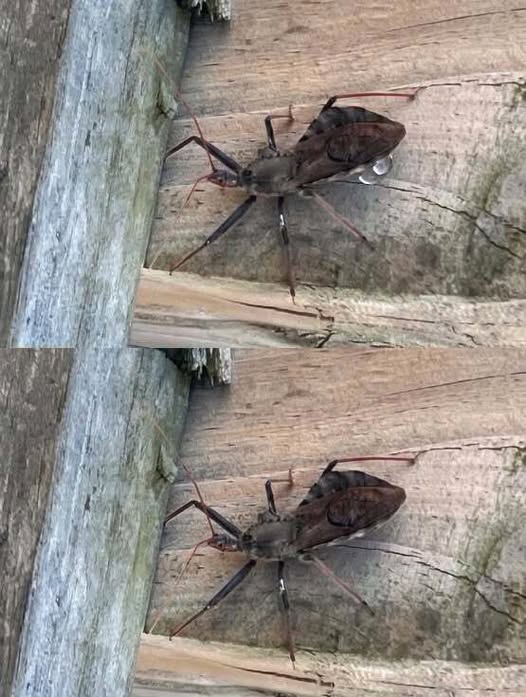
A significant point of confusion often arises regarding the distinction between common assassin bugs and the specific group known as triatomine bugs, frequently referred to as kissing bugs. While both belong to the same broader family, they are distinct in their behavior and health implications. Most assassin bugs are beneficial predators that help control other insect populations in gardens and homes. In contrast, triatomine bugs are of particular concern because they can carry the parasite responsible for Chagas disease.
It is important to understand that Chagas disease is not typically transmitted directly through the bite itself. Instead, the transmission mechanism usually involves the insect’s feces. If an infected triatomine bug defecates near the bite wound, or if that contaminated material is inadvertently rubbed into the eyes, mouth, or an open break in the skin, the parasite can enter the body. This distinction is vital for maintaining a balanced perspective; a simple bite from a common assassin bug does not automatically equate to a risk of disease.
If you are concerned about the identity of the insect that bit you, do not attempt to handle or capture it with your bare hands. Instead, take a clear photograph of the insect from a safe distance. This visual record can be incredibly helpful if you later need to consult a healthcare professional or an entomologist for a formal identification. If you must move the insect, use a container or tool to avoid direct skin contact, and be sure to wash your hands thoroughly afterward to prevent any potential contamination.
In the vast majority of cases, a bite from an assassin bug is a self-limiting event that requires nothing more than the standard hygiene practices described above. However, if you live in an area where triatomine bugs are known to be present, or if you develop systemic symptoms such as fever, body aches, or unexplained swelling, you should seek medical advice promptly. Providing your doctor with the photograph of the insect and a clear timeline of your symptoms will assist them in determining if any further diagnostic steps or monitoring are necessary. By staying calm and following these evidence-based protocols, you can effectively manage the situation while ensuring your health remains the top priority throughout the recovery process. It is always better to be cautious and observant when dealing with unknown insects, but it is equally important to avoid unnecessary panic. Most people recover fully from these encounters without any long-term health consequences, provided they maintain good hygiene and monitor the site for any unusual changes that might indicate a more serious reaction or a secondary infection requiring medical intervention. Ultimately, careful observation and prompt, gentle wound care are the most effective strategies for managing these bites.