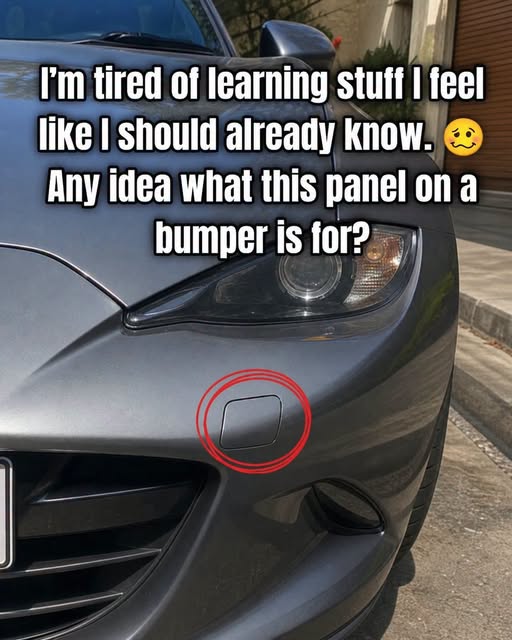
This small panel is designed to hide the tow eye, a critical component that provides a secure, threaded connection point for towing operations. On older vehicles or heavy-duty trucks, you might be accustomed to seeing exposed metal hooks or loops protruding from the grille or frame. However, modern automotive design prioritizes aerodynamics and a sleek, seamless appearance, which leads manufacturers to tuck these functional elements behind removable plastic covers. By keeping the tow eye hidden, the car maintains its intended visual profile while remaining fully prepared for roadside assistance needs. It is a clever engineering solution that balances the demand for style with the practical necessity of vehicle recovery.
Understanding how to access this feature is essential for any driver. When you find yourself in a situation where your vehicle must be pulled—whether you are stuck in mud, snow, or facing a mechanical failure—you will need to remove that small panel. Typically, this is done by gently prying it off with a flat-headed tool or, in some cases, pressing one side of the panel to pop it outward. Once removed, you will find a threaded socket specifically engineered to accept a heavy-duty tow eye bolt. This bolt is usually stored alongside your spare tire or jack kit. You must screw the eye bolt firmly into the socket until it is fully seated, creating a robust, structural anchor point capable of withstanding the forces required to move your vehicle safely. It is imperative to ensure the bolt is tightened completely, as a loose connection could potentially slip or cause damage to the threads during the towing process.
It is important to emphasize that you should never attempt to attach a tow strap or chain to any other part of your bumper. Plastic bumpers are designed for aesthetics and minor impacts, not for the immense tension involved in towing. Attaching a strap to the bumper itself, or to suspension components not designated for recovery, can result in significant structural damage, cracked plastic, or even the detachment of the bumper assembly. By using the factory-designated tow eye, you ensure that the pulling force is directed toward the vehicle’s reinforced chassis, which is designed to handle such stress without compromising the car’s integrity. This is the safest way to ensure your vehicle is moved without incurring secondary repair costs.
Furthermore, it is worth noting that this feature is not limited to the front of your vehicle. Most modern cars are equipped with similar tow eye access points on the rear bumper as well. These rear points are equally important, as they allow for recovery if your vehicle needs to be pulled backward or if you find yourself needing to assist another driver in a safe manner. Because these covers can sometimes be tight or difficult to remove, it is highly recommended that you take a few minutes to locate these points on your own vehicle before an emergency occurs. Familiarizing yourself with the location of the panels and ensuring you know exactly where your tow eye bolt is stored will save you considerable stress and time during an already difficult roadside situation. You might even consider practicing the removal of the cover once to ensure you know the technique required for your specific model.
In summary, the small panel on your bumper is a gateway to a safer recovery process. It is a simple, often overlooked detail that serves as a bridge between a minor inconvenience and a costly repair. By taking the time to learn where these connection points are located and how to properly install the tow eye bolt, you are taking a proactive step in vehicle maintenance and emergency preparedness. Always keep your tow eye bolt in an accessible location, and remember that when it comes to towing, utilizing the manufacturer’s intended connection point is the only way to protect your vehicle from unnecessary damage. Being prepared today ensures that you can handle unexpected challenges with confidence and ease tomorrow. Keep your manual handy, verify the location of your tools, and drive with the peace of mind that you are ready for the road ahead.