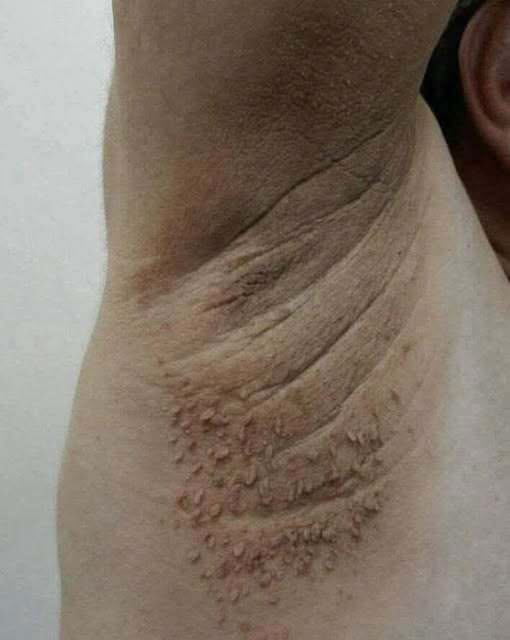
This condition is clinically known as acanthosis nigricans. It manifests as areas of skin that appear darker, thicker, and softer than the surrounding tissue, often possessing a distinct, velvety texture. These patches frequently develop in areas where the skin folds or rubs against itself, with the most common locations being the back of the neck, the underarms, and the groin. However, it is not uncommon for these changes to also appear on the elbows, knees, or the knuckles of the hands.
It is vital to understand that acanthosis nigricans is not a primary disease in itself. Instead, it is a secondary symptom or a clinical marker of an underlying physiological process. The most frequent driver of this skin change is insulin resistance. When the body struggles to process insulin effectively, levels of this hormone can remain chronically elevated in the bloodstream. These high levels of circulating insulin can stimulate skin cells to proliferate and grow at an accelerated rate, which ultimately leads to the characteristic thickening and darkening of the skin surface.
Because of this strong association with insulin metabolism, the presence of these patches is often linked to metabolic conditions such as prediabetes or type 2 diabetes. While insulin resistance is the primary suspect, other factors can contribute to the development of these skin changes. Hormonal imbalances, such as those seen in polycystic ovary syndrome, are frequently associated with the condition. Furthermore, genetics can play a significant role, as some individuals may have a hereditary predisposition to the development of these patches. In certain instances, the use of specific medications or even underlying internal health issues can trigger these dermatological changes. It is also important to note that rapid changes in body weight can sometimes influence the severity of these skin manifestations, as weight fluctuations often correlate with changes in insulin sensitivity.
Addressing acanthosis nigricans requires a shift in perspective. Because the skin is merely reflecting an internal imbalance, focusing solely on topical treatments or cosmetic camouflage will not resolve the issue. The most effective approach involves identifying and treating the root cause. If insulin resistance is the culprit, medical professionals often recommend lifestyle modifications, such as dietary adjustments and regular physical activity, to improve insulin sensitivity. These changes can help stabilize blood glucose levels and reduce the hormonal triggers that cause the skin to thicken. Dietary interventions often focus on reducing refined carbohydrates and sugars to minimize insulin spikes, while consistent exercise helps the body utilize insulin more efficiently, thereby addressing the biological mechanism that drives the skin discoloration.
If you observe these changes, it is important to consult a healthcare provider for a proper evaluation. A physician can perform the necessary diagnostic tests to determine if the skin changes are related to diabetes, metabolic syndrome, or other systemic conditions. Early detection of these underlying issues is crucial, as managing them proactively can prevent more serious health complications down the line. In many cases, as the underlying metabolic or hormonal health improves, the skin patches may gradually fade or diminish in intensity over time. This process is rarely instantaneous, often requiring sustained commitment to the prescribed health management plan.
While the appearance of these patches can be distressing, they should be viewed as a helpful diagnostic signal rather than a source of shame. By paying attention to these signs, you allow yourself the opportunity to address potential health risks before they progress. Always prioritize a clinical assessment over self-diagnosis. It is important to remember that skin health is often a reflection of systemic wellness. By focusing on comprehensive health management—including blood sugar regulation and hormonal balance—individuals can effectively address the root causes of acanthosis nigricans and support their overall long-term well-being. Evidence-based clinical management remains the gold standard for addressing these symptoms, ensuring that the underlying health variables are monitored and treated with the precision required for lasting physiological improvement and sustained health outcomes. By maintaining regular communication with a medical professional, patients can ensure that their treatment remains effective and that any changes in their skin or overall health are addressed promptly and accurately.