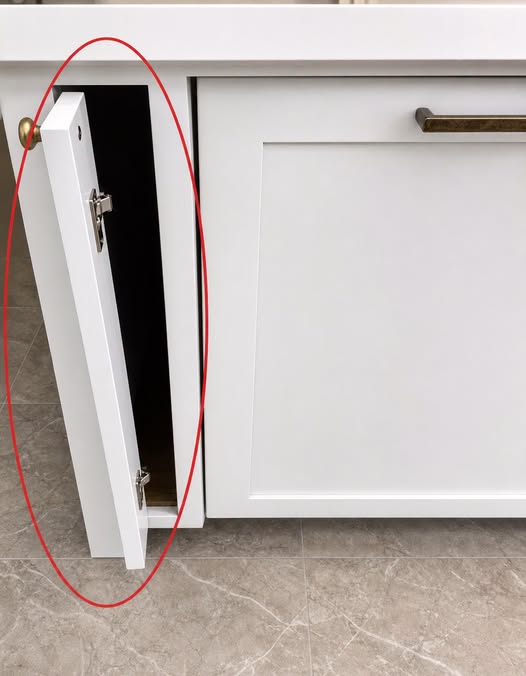
a kitchen that finally functions at its highest potential. By reclaiming these overlooked slivers of real estate, you can create a highly efficient, vertical storage system that transforms your culinary environment. These gaps can be expertly converted into custom pull-out cabinets, providing a sleek, integrated look that remains flush with your existing cabinetry when closed. Once pulled out, these units reveal tiered shelving perfectly sized for items that are notoriously difficult to organize in standard, deep cupboards.
The utility of these pull-out units is significant, particularly for items that require frequent access during food preparation. Spices, cooking oils, vinegars, and various condiments can stand in a single-file row, ensuring that every bottle is fully visible and easily reachable. No longer will you need to rummage through the dark, cavernous depths of a lower cabinet to find a specific seasoning or a bottle of olive oil. By bringing these items into the light, you effectively eliminate the frustration of losing supplies at the back of your shelves, thereby streamlining your workflow and improving overall kitchen organization.
Beyond spices and oils, these vertical pull-outs are exceptionally versatile for storing other kitchen essentials. They are ideal for housing baking supplies, such as extracts, food coloring, or small bags of specialty ingredients. Some homeowners utilize these narrow spaces for towel racks, allowing damp kitchen linens to dry efficiently while remaining tucked away from view. Others find them perfect for storing thin cutting boards, baking sheets, or even specialized cleaning supplies that need to be kept within arm’s reach of the sink or stove area.
However, it is important to approach these modifications with a clear understanding of your kitchen’s structural reality. Retrofitting is not always a viable option for every home. You must first carefully inspect the area for hidden obstacles such as plumbing pipes, electrical wiring, or gas lines that might be running behind the filler panel. Furthermore, the placement of nearby appliances—such as a dishwasher or oven—can dictate whether there is enough clearance to install a sliding mechanism without interfering with the operation of those units. Structural limitations of the existing cabinet frame may also prevent the installation of the necessary hardware.
When planning such a project, you must also pay close attention to the hardware weight limits. Pull-out units rely on specialized glides and tracks that are designed to support a specific amount of mass. If you intend to store heavy glass bottles or dense canisters, you must select heavy-duty hardware that can handle the load without sagging or binding over time. Installing a unit that exceeds the manufacturer’s weight capacity will lead to premature failure of the slide mechanism, making the cabinet difficult to open and potentially damaging the surrounding cabinetry.
If you determine that your specific kitchen layout can accommodate a pull-out unit, the process usually involves removing the existing filler panel and installing a custom-built, narrow-profile cabinet box. This box is then fitted with a sliding track system that attaches to the floor of the cabinet or the side walls. A front panel, matched to the finish of your existing doors, is then attached to the unit to ensure a seamless aesthetic. While this can be a DIY project for those with advanced carpentry skills, it is often best handled by a professional to ensure the unit operates smoothly and aligns perfectly with the rest of your kitchen.
Ultimately, the decision to reclaim these narrow spaces is about prioritizing functionality and intentional design. It serves as a quiet reminder that meaningful improvements to your home do not always require massive, expensive renovations or a complete kitchen overhaul. Sometimes, the most impactful changes come from looking at the smallest, most neglected corners of your environment and finding creative ways to make them work for you. By transforming these gaps into active storage, you gain a more organized, efficient, and enjoyable space to prepare your meals every single day.
To begin your own transformation, start by measuring the width of the gap precisely. If the space is at least three to four inches wide, it is likely a candidate for a custom pull-out. Consult with a professional cabinetmaker or a kitchen design specialist to verify that there are no concealed utilities in that wall section. Once confirmed, select high-quality, full-extension drawer slides that provide easy access to the very back of the unit. By carefully planning the internal shelving height to match your most-used items, you will create a bespoke storage solution that maximizes every square inch of your kitchen, turning a once-useless void into one of the most practical features in your home.