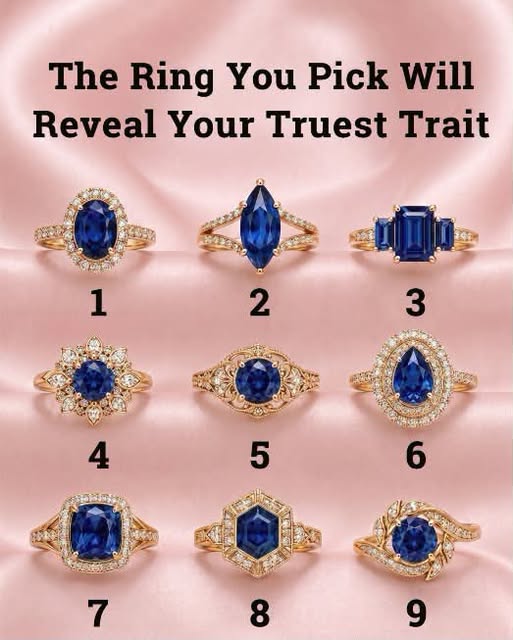
the unique way we perceive our own identities in the grand scheme of things. While this exercise is purely for entertainment and lacks the rigorous backing of clinical psychology, it remains a delightful way to engage in a moment of self-reflection. By choosing a ring based solely on your immediate gut reaction rather than a careful, analytical breakdown of its components, you are essentially tapping into your intuitive self, which often knows what we need before we do.
The concept of intuitive preference is rooted in the idea that our aesthetic choices are rarely accidental. When we look at a collection of items, our brains are constantly processing visual information, filtering it through our past experiences, our current emotional state, and our hidden aspirations. A ring that feels bold and modern might speak to a desire for change, while a delicate, vintage-inspired piece could signal a longing for comfort and tradition. It is not about the object itself, but the resonance it creates within you.
To get the most out of this experience, find a quiet moment where you can focus entirely on the images provided. Clear your mind of the day’s stresses, deadlines, and to-do lists. Allow your gaze to wander across the selection of rings without judgment. Do not worry about whether a piece is trendy or expensive. Instead, ask yourself which one feels like a reflection of your current energy. Does a specific setting make you feel empowered, calm, or perhaps a little more adventurous?
It is important to remember that these associations are meant to be gentle prompts for thought rather than definitive labels. We are complex, multifaceted beings who change from day to day. You might find that your choice today differs significantly from the one you would have made a year ago, and that is perfectly natural. Our tastes evolve as we grow, and our preferences are often a mirror of our personal journey, reflecting the lessons we have learned and the goals we are currently pursuing.
If you find yourself drawn to a classic, minimalist design, it might suggest that you value clarity and straightforwardness in your life. You likely appreciate the beauty in simplicity and find comfort in structure. On the other hand, if you are pulled toward something ornate or colorful, you might be someone who thrives on creativity and enjoys expressing your individuality in bold ways. Neither choice is better than the other; they simply highlight different facets of the human experience.
This exercise serves as a reminder that we should not take our personality traits too seriously. We are not static characters in a book, but dynamic individuals capable of shifting, adapting, and surprising even ourselves. Engaging with these types of tests can be a wonderful way to practice mindfulness. It encourages us to slow down, pay attention to our internal responses, and acknowledge the subtle cues our intuition provides throughout the day, whether we are choosing jewelry, clothes, or life paths.
As you reflect on your choice, consider how these traits manifest in your daily interactions. Are you the steady, reliable anchor for your friends, or are you the spark of inspiration that encourages others to try something new? Recognizing these patterns can help you appreciate your own strengths and perhaps even encourage you to lean into them more fully. It is a celebration of who you are right now, in this exact moment, without the pressure of expectations.
Ultimately, the most practical way to use this insight is to treat it as a conversation starter with yourself. If your choice reveals a trait you admire, find a way to cultivate it further in your daily routine. If it highlights a quality you feel you have neglected, consider how you might bring more of that energy into your life. Use this playful exercise as a gentle nudge toward self-awareness, knowing that the real magic lies in your own unique perspective.