achievements that spanned the music industry, the rodeo circuit, and a deeply personal journey of family and resilience. Long before he became a household name asking couples about their private lives, Eubanks was a young man with a passion for radio. His early career path was brief and unconventional, including a short-lived stint at Lockheed Aircraft that he famously abandoned after a sudden, sobering encounter with mortality. This departure from traditional employment steered him toward his true calling in entertainment.
His influence on the cultural landscape of the 1960s was profound, particularly within the music industry. Eubanks was not merely a spectator to history; he was an active participant in shaping it. Most notably, he demonstrated immense foresight and financial courage in 1964 by mortgaging his own home to secure the funding necessary to bring The Beatles to the Hollywood Bowl. This pivotal moment helped cement his reputation as a promoter of the highest caliber, allowing him to work alongside legends like The Rolling Stones, Bob Dylan, Dolly Parton, and Elton John. These experiences provided him with a unique perspective on fame, one that he carried with him when he eventually transitioned into the world of television hosting.
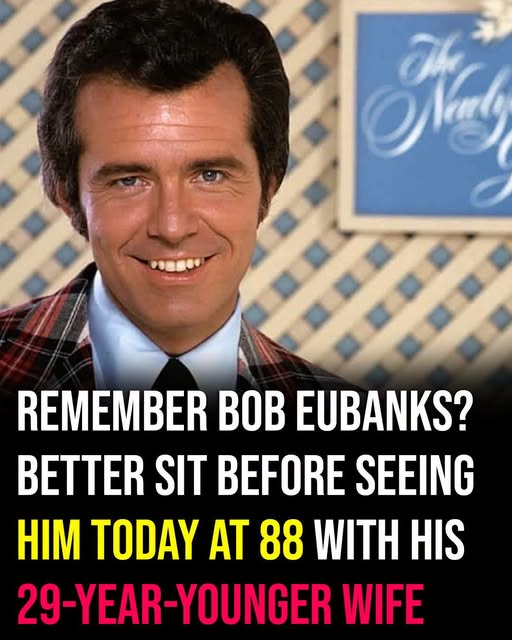
In 1966, producer Chuck Barris offered Eubanks the role that would define his public identity: the host of The Newlywed Game. The show was an immediate sensation, capturing the American imagination with its blend of humor and candid revelations. Eubanks’ ability to navigate the awkwardness of the format with grace and humor kept the program at the top of the ratings for years. His work on the show was characterized by a genuine interest in people, a trait that served him well both on camera and in his private life. He possessed a rare ability to make contestants feel comfortable even when the questions pushed boundaries, ensuring that the show remained a staple of American culture for generations.
Away from the bright lights of the studio, Eubanks cultivated a rich and active personal life. In 1969, he married Irma Barnard, an artist and dedicated ranch forewoman. Together, they built a life centered on their three children, Trace, Corey, and Theresa, and their passion for the outdoors. Eubanks became a fixture in the rodeo community, eventually earning a gold card as a member of the Professional Rodeo Cowboys Association. This chapter of his life was marked by the stability of their 26-acre cattle ranch, a sanctuary from the pressures of his public career.
Following the passing of his first wife, Irma, in 2002, Eubanks eventually found love again with Deborah James. Their relationship, which began after they met while co-hosting a charity event for the Make-A-Wish Foundation, has been a cornerstone of his later years. Despite a 29-year age gap, the couple formed a profound connection, dating for nearly a decade before marrying in 2004. Their journey together has been defined by mutual support, therapy, and a shared commitment to their son, Noah. Their intimate wedding in Palm Springs served as a testament to the enduring nature of their bond, marking a new chapter of happiness that has lasted for two decades.
Throughout his later years, Eubanks has maintained a respectful connection to the industry that made him famous. He has participated in various projects, including stage tours and documentary appearances, such as his 2023 feature in The Game Show Show. These contributions reflect his ongoing relevance and the respect he commands from peers and audiences alike. He has navigated the shifts in the entertainment landscape with the same poise that characterized his early career, choosing projects that honor his legacy while allowing him to enjoy a quieter, more private existence with his family.
Today, at 88, Bob Eubanks stands as a testament to a life well-lived, defined by a transition from a young radio enthusiast to a music promoter, a television icon, and a devoted family man. His career serves as a reminder that the most impactful lives are often those that embrace change and maintain a sense of humor throughout the decades. As he continues to enjoy his life with Deborah and their family, his story remains a classic example of American persistence and adaptability, proving that one can indeed find lasting fulfillment long after the cameras stop rolling.