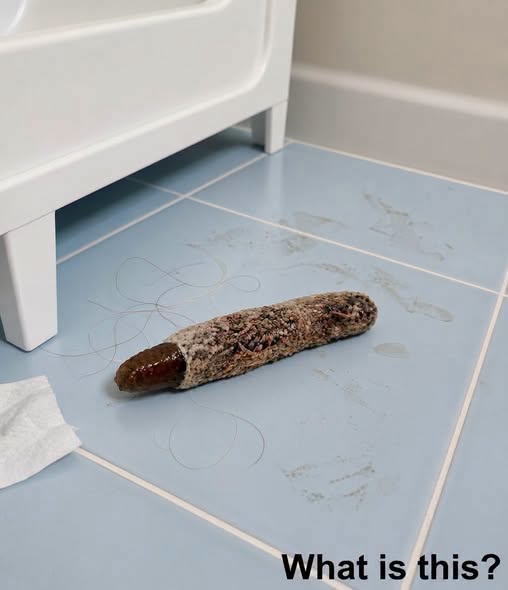
This structure is actually the mobile home of a case-bearing moth larva, a fascinating organism that has adapted to thrive within the human domestic environment. Rather than being a sign of a severe infestation or a cause for alarm, the presence of these larvae serves as a quiet reminder of the diverse, often microscopic ecosystems that exist alongside us. The larva is a master of resourcefulness, utilizing the very materials that humans shed or discard daily to build a protective casing. By weaving together stray fibers, hair, and dust, the insect creates a durable, portable shelter that camouflages it perfectly against the floorboards and baseboards of a typical residence. This behavior is not an act of intrusion but a biological necessity, providing the larva with a shield against predators and environmental fluctuations as it navigates its surroundings in search of organic matter to consume.
Understanding the biology of the case-bearing moth helps shift the perspective from one of unease to one of curiosity. These creatures are essentially natural architects, turning the overlooked remnants of our daily lives into functional architecture. Their ability to repurpose household waste is a testament to the evolutionary success of the species, allowing them to occupy niches that many other insects would find inhospitable. Because they move slowly and remain largely camouflaged by their self-made cases, they often go entirely unnoticed by homeowners for long periods. It is only when the larva decides to relocate or when a cleaning session disturbs its path that these tiny, industrious builders are revealed to the human eye.
The discovery of such a life form invites us to consider the hidden complexity of our own living spaces. We often view our homes as sterile, isolated environments, yet they are constantly interacting with the natural world. Small insects like the case-bearing moth are part of a broader, unseen network of organisms that coexist with us, quietly performing their biological roles. Recognizing this can foster a sense of humility and appreciation for the resilience of nature. Instead of viewing the larva as a pest to be feared, one can observe it as a small, driven entity simply navigating the world with the tools it has available. It is a lesson in how life finds a way to persist even in the most unlikely of places, utilizing the materials we leave behind to sustain its own development.
Beyond the biological curiosity, these larvae offer a unique insight into the micro-ecology of a home. The case itself is a marvel of engineering, held together by silk secretions that the larva produces. This silk acts as a binding agent, ensuring that the disparate bits of hair and lint remain structural and sturdy. As the larva grows, it must expand its home, often adding new material to the ends of the cylinder. This process is continuous, reflecting the larva’s growth cycle as it prepares for its eventual transformation into a moth. The fact that such a complex process happens right beneath our feet, often in the quietest corners of our bathrooms or bedrooms, highlights the persistent nature of life.
If you encounter one of these cases in your home, there is no need for panic or aggressive chemical intervention. Because these larvae feed primarily on small amounts of organic debris, their impact on a household is typically negligible. The most practical way to manage their presence is to maintain a consistent cleaning routine. Regularly vacuuming areas under furniture, along baseboards, and in corners where lint and hair tend to accumulate will naturally reduce the available resources for these larvae. By keeping these areas clear of debris, you effectively remove the building materials they require to construct their cases, naturally discouraging them from settling in your living space. A simple, proactive approach to cleanliness is all that is required to coexist peacefully with these tiny, unseen architects of the domestic world.