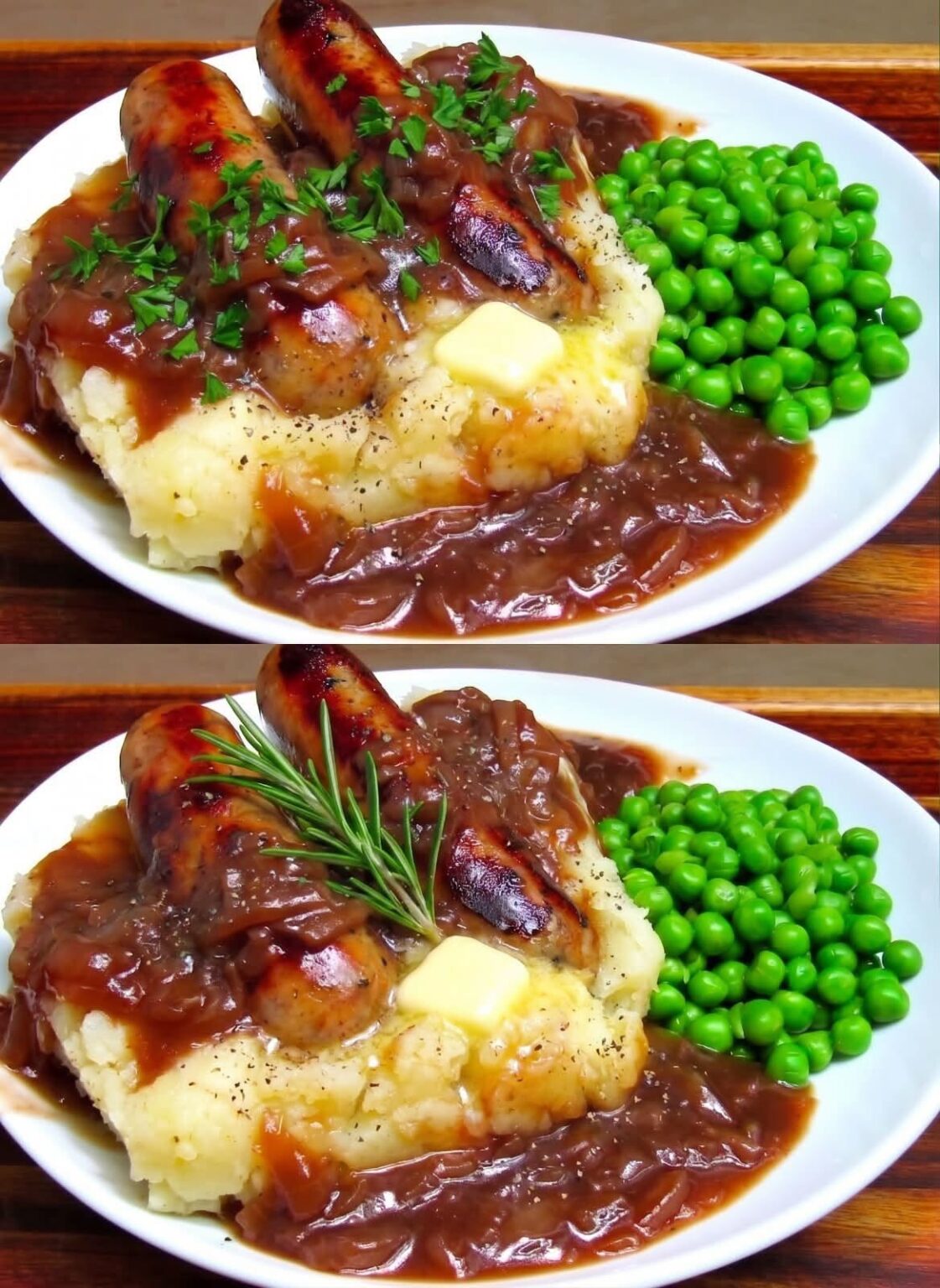
Potatoes have a relatively mild flavor, so cooking them in seasoned broth or dairy can introduce additional richness from the beginning.
Milk provides creaminess, while chicken or vegetable broth contributes savory depth. A combination of the two can offer a useful balance without making the potatoes excessively rich.
However, cooking potatoes in water is not inherently a mistake. Properly salted water remains a reliable method, particularly when the potatoes are drained thoroughly afterward.
A Creamier Mashed Potato Method
For approximately 2 pounds of potatoes, use:
- Yukon Gold, russet potatoes, or a combination
- About 1½ cups whole milk, broth, or milk-and-cream mixture
- 4 tablespoons butter
- Salt and black pepper
- 1–2 garlic cloves, optional
Peel the potatoes if desired and cut them into evenly sized pieces.
Place them in a saucepan and add enough cooking liquid to nearly cover them. Season with salt and bring everything to a gentle simmer.
If using milk or cream, avoid aggressive boiling because dairy can scorch or boil over more easily than water.
Cook for approximately 15–25 minutes, depending on the size of the pieces, until the potatoes are completely tender.
Don’t Throw Away the Cooking Liquid
Once the potatoes are ready, carefully drain them while reserving some of the liquid.
Mash the hot potatoes using a potato masher, ricer, or food mill. Add the butter first, then gradually incorporate some of the reserved warm liquid until the potatoes reach the consistency you want.
This gives you much more control than adding a large amount of milk at once.
The Bigger Secret: Don’t Overwork Them
The cooking liquid isn’t the only factor behind good mashed potatoes.
Potatoes contain plenty of starch, and excessive mixing can release enough of it to create a sticky, glue-like consistency.
For that reason, avoid using a blender or food processor. A potato ricer produces a particularly fine, fluffy result, while a traditional masher works well for a slightly more rustic texture.
Once the potatoes reach the consistency you want, stop mixing.
Butter First, Liquid Second
Another useful technique is to incorporate the butter before adding additional milk or cream.
Melted butter coats the hot potato mixture and adds richness without immediately loosening its consistency. Warm milk or reserved cooking liquid can then be added gradually.
Cold dairy should generally be avoided when possible because it cools the potatoes and doesn’t incorporate as smoothly.
Choosing the Right Potato
Russets are high in starch and particularly good for light, fluffy mashed potatoes.
Yukon Golds have a naturally creamy texture and richer flavor.
Combining the two is also an excellent option when you want something both fluffy and creamy.
Easy Flavor Upgrades
Once the basic technique is right, mashed potatoes can easily be customized with:
- Roasted or simmered garlic
- Parmesan
- Fresh chives
- Thyme or rosemary
- Brown butter
- Cream cheese
- Sharp cheddar
Just remember that additional ingredients should complement properly cooked and seasoned potatoes rather than compensate for bland ones.
Common Mistakes
Overcooking: Potatoes that spend too long in liquid can absorb excess moisture.
Under-seasoning: Potatoes require enough salt to avoid tasting flat.
Adding too much liquid at once: Add milk or cooking liquid gradually.
Using cold dairy: Warm milk and cream incorporate more easily.
Overmixing: Excessive agitation can turn otherwise excellent potatoes gluey.
The Bottom Line
You don’t have to stop boiling potatoes in water. Properly salted water, thorough draining, plenty of butter, warm dairy, and gentle mashing can produce superb mashed potatoes.
But cooking potatoes in milk, broth, or a milk-and-broth combination is an interesting alternative when you want to build additional flavor into the potatoes themselves.
Whichever method you choose, the most important rules remain the same: cook until tender, control the moisture, season properly, add butter generously, and don’t overwork the potatoes.