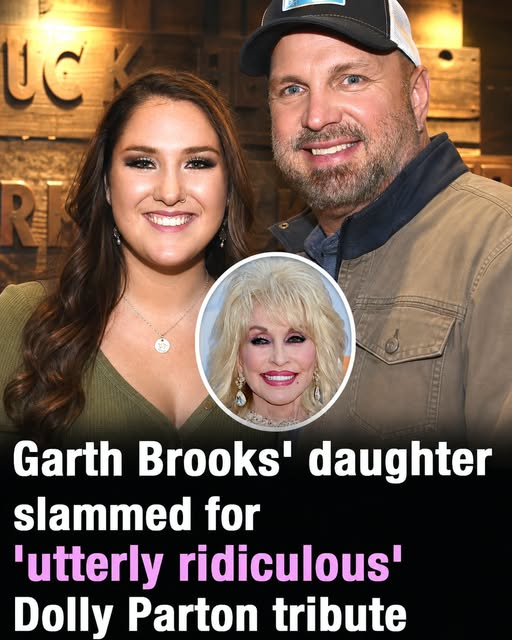
that the sentiment was fundamentally self-centered rather than a pure celebration of the country music legend. While some observers praised the post for its raw vulnerability and human honesty, others criticized the inclusion of her personal fears as an inappropriate distraction from the subject at hand. This divide illustrates the often volatile nature of parasocial relationships, where the public feels a deep, protective ownership over the legacies of beloved cultural figures, leading to intense scrutiny of how others choose to express their mourning.
It is essential to clarify that the premise circulating in some corners of the internet regarding the death of Dolly Parton is entirely false. Despite the confusion that has fueled this heated online exchange, Dolly Parton remains alive. The friction arose not from a factual error by Colleen, but from the stylistic choice she made when crafting her public statement. By connecting her personal dread of losing her own parent to the broader cultural appreciation of Parton, she invited a level of public critique that perhaps she had not anticipated when she first hit publish. This specific narrative choice acted as a lightning rod for those who believe public figures should maintain a strict boundary between their personal emotional processing and their public-facing tributes.
The reaction to her words highlights a broader cultural tension regarding the etiquette of public mourning. In an era where social media platforms serve as the primary stage for expressing grief, the line between personal reflection and performative narrative is often blurred. Supporters of Colleen argued that grief is inherently subjective and that she should be allowed to process her emotions in a way that feels authentic to her own life experiences. They viewed her admission of fear as a relatable human moment that resonated with anyone who has ever contemplated the fragility of their own family bonds. For these individuals, the tribute was not just about Parton, but about the universal human experience of fear and love.
Conversely, the detractors argued that a tribute to a public figure should remain strictly focused on that individual’s contributions and character. From this perspective, shifting the spotlight to one’s own internal struggles is seen as a breach of decorum. This group felt that by centering her own narrative, Colleen diminished the dignity of the tribute, effectively turning a moment of collective respect into a platform for individual expression. The intensity of this criticism suggests that for many fans, the act of paying tribute is a sacred duty that requires a specific, selfless tone, free from the intrusion of the author’s own private anxieties.
The polarization of these opinions reflects the diverse ways individuals navigate the complexities of loss and public memory. As the conversation unfolded, it became clear that the disagreement was less about the specific words used and more about the expectations placed upon those who occupy the public eye. When a family member of a major celebrity speaks out, the audience often demands a level of detachment that is difficult to maintain when the subject matter touches upon the universal fear of mortality. This expectation of emotional distance is often at odds with the reality of how people actually experience and communicate their feelings in a digital environment.
Ultimately, the incident serves as a reminder of how quickly digital communities can fracture over matters of tone and intent. While the debate over the appropriateness of the tribute continues to simmer in various comment sections, the underlying reality remains unchanged. Dolly Parton continues her career, and the discourse surrounding Colleen’s post stands as a testament to the high stakes of public expression in the digital age. The situation remains a localized social media phenomenon, with no further official statements or developments reported regarding the initial post or the subsequent fallout from the public. The episode remains a snapshot of contemporary digital culture, where the intersection of celebrity, personal grief, and public expectation creates a complex and often unpredictable landscape for all participants involved.