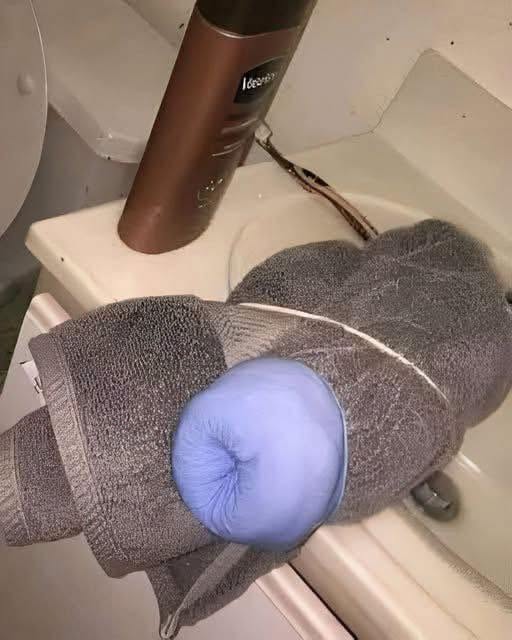
a complex landscape of speculation and communal problem-solving. While the internet is often criticized for its tendency toward sensationalism, it serves as a remarkably effective tool for crowdsourcing the identity of obscure household hardware. Many of these items are not remnants of a forgotten past or indicators of structural failure, but rather mundane components that have simply migrated from their original positions over time. Understanding why these objects end up in unexpected places requires a look at how homes evolve through decades of maintenance and minor repairs.
One of the most common locations for these discoveries is the bathroom, a room defined by its high density of specialized hardware. Homeowners often find small, translucent plastic clips, oddly shaped rubber gaskets, or rusted metal pins that seem to have no logical place in a modern washroom. These items are frequently remnants of previous fixture installations, such as shower door guides, faucet aerator keys, or mounting hardware for towel bars that were replaced years ago. Because bathrooms are often the first rooms to be updated, they become repositories for the debris of past renovations that were never fully cleared away.
The phenomenon of finding these items is rarely a sign of something sinister or mysterious. Instead, it is a byproduct of the way homes are built and maintained. Contractors often leave behind spare parts or hardware that was deemed unnecessary at the time of installation, tucking them into wall cavities or behind cabinetry where they are forgotten until the next major cleaning or renovation project. Over time, vibrations from heavy traffic or the natural settling of a house can cause these loose items to shift, eventually falling into visible areas where they appear to have materialized out of thin air.
When you discover an unidentified object, the first step is to assess its physical characteristics. Is it made of metal, plastic, or rubber? Does it have a specific shape that suggests it was meant to hold something in place, or is it a fastener designed to secure two surfaces together? Many items found in homes are standardized components used in plumbing, cabinetry, or electrical work. For instance, a small, L-shaped plastic piece is frequently a shelf support pin for a cabinet, while a threaded metal sleeve is almost certainly part of a plumbing assembly that was discarded during a sink replacement.
The internet has transformed the process of identification by allowing homeowners to share high-resolution images with vast communities of experts and enthusiasts. Platforms dedicated to home improvement, DIY repair, and historical architecture allow users to upload photos and receive near-instantaneous feedback. This collective intelligence is remarkably accurate, often identifying obscure parts by their specific brand names or intended use cases. The shock that often accompanies these discoveries is usually dispelled once a user realizes that the object in question is merely a common piece of hardware that has outlived its original purpose.
Beyond the bathroom, hidden spaces like attics, basements, and behind baseboards are prime hunting grounds for these artifacts. In these areas, homeowners might find vintage tools, orphaned keys, or even old packaging materials that provide a glimpse into the history of the house. While these items are more likely to be historical in nature, they are still subject to the same principles of identification. Most are simply the detritus of previous residents who left behind items that were considered obsolete or unimportant at the time of their departure.
It is important to maintain a sense of perspective when encountering these items. While it is natural to feel a sense of curiosity or even apprehension when finding something strange in your home, the vast majority of these objects are harmless. They are the physical evidence of the ongoing life of a building, reflecting the many hands that have worked on it over the years. By documenting these finds and researching their origins, homeowners can actually learn a great deal about the structural history and maintenance requirements of their properties.
If you find an item that you cannot identify, start by checking the immediate area for any missing components. If a cabinet door is sagging, look for a matching hinge or bracket. If a faucet is leaking or loose, check to see if the object is a missing washer or mounting nut. In many cases, the mystery is solved simply by looking at what is not working correctly in the immediate vicinity. If the item does not appear to be missing from any functional part of your home, it is likely safe to store it in a labeled container or dispose of it responsibly.
Ultimately, the best approach is to remain patient and methodical. Do not let the lack of immediate recognition cause unnecessary alarm. Most household mysteries are easily solved with a bit of observation and the help of online resources. By treating these discoveries as opportunities to better understand your home, you can turn a moment of confusion into a productive learning experience. Keep a small box for any unidentified hardware you encounter, and you will likely find that over time, the pieces of the puzzle begin to fit together quite naturally.