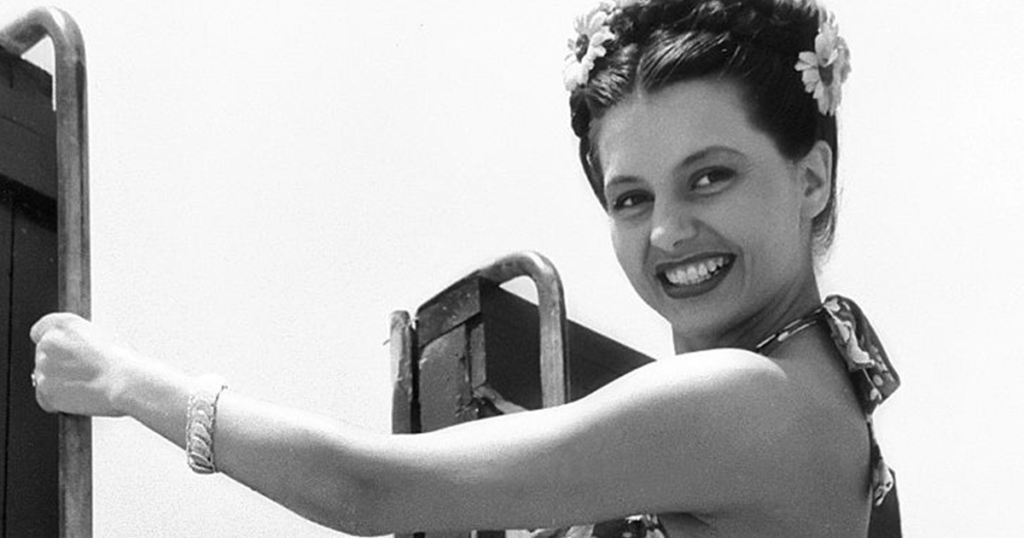
Born Tula Ellice Finklea on March 8, 1922, in Amarillo, Texas, the future Hollywood star didn’t begin life looking destined to become one of cinema’s most celebrated dancers.
She was a thin, physically fragile child who suffered from serious health problems, including polio.
Her parents turned to ballet partly as a way of strengthening her body.
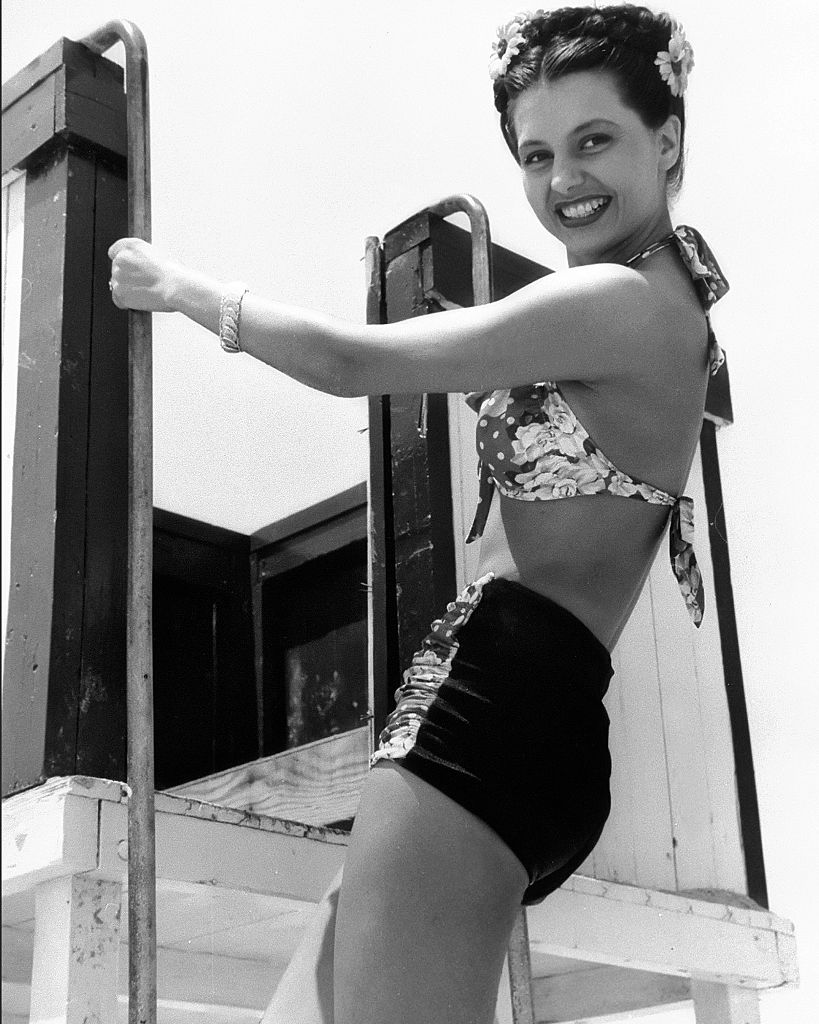
“I was skinny, and it looked like a good way to build me up,” she later recalled.
What began as something therapeutic quickly became something much bigger.
Dance transformed her.
The nickname that eventually became part of her famous stage name also originated during childhood. Her older brother reportedly had difficulty pronouncing “Sis” and called her “Sid” instead. The spelling was eventually transformed into the more distinctive “Cyd.”
By adolescence, it was clear that Charisse possessed exceptional ability.
She trained seriously in ballet, studying with respected teachers and eventually expanding her experience internationally. She spent time training in Los Angeles and also pursued dance in Europe, including London and Paris.
For a period, she performed under the name Felia Sidorova, adopting the Russian-sounding identity common among ballet performers of the era.
Eventually, however, she became Cyd Charisse.
Her entrance into Hollywood came through dancing rather than conventional acting.
She appeared in small and sometimes uncredited roles during the early 1940s, including as a dancer in Something to Shout About in 1943.
But someone with Charisse’s combination of beauty and technical ability was unlikely to remain unnoticed for long.
MGM recognized her potential during an era when the major studios were investing heavily in elaborate movie musicals.
Charisse soon found herself dancing alongside some of the greatest performers Hollywood had ever produced.
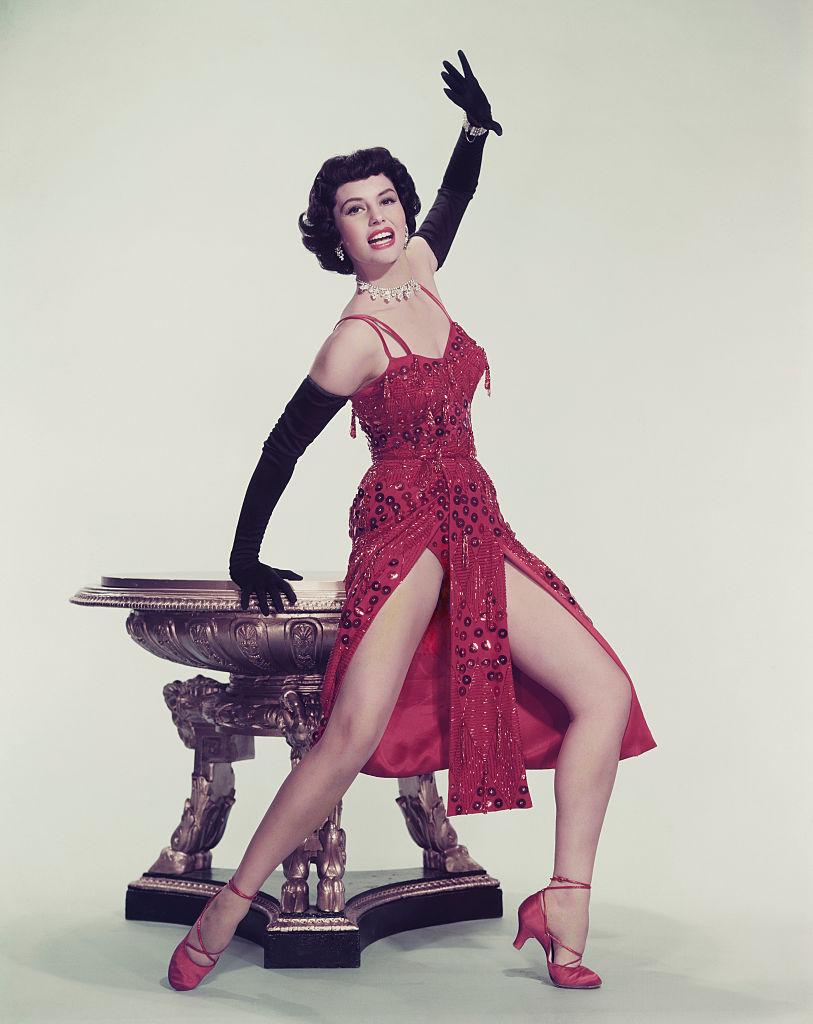
Her appearance with Gene Kelly in Ziegfeld Follies helped demonstrate what she could do, but one of the performances that permanently established her screen image arrived in 1952.
The movie was Singin’ in the Rain.
Charisse had no dialogue in the film, yet she created one of its most unforgettable moments.
Appearing opposite Gene Kelly during the extended “Broadway Melody” sequence, Charisse used little more than movement, posture and expression to completely change the atmosphere of the scene.
Her long legs and balletic control were impossible to ignore.
For many viewers, it didn’t matter that she never spoke.
She didn’t need to.
Movement was her language.
The following year, Charisse demonstrated another side of her talent opposite Fred Astaire in The Band Wagon.
Their “Dancing in the Dark” sequence remains one of the most celebrated romantic dances from Hollywood’s Golden Age.
There are no elaborate special effects required to make it work.
Instead, two exceptional performers move together through Central Park, allowing choreography and body language to communicate what pages of dialogue might otherwise have attempted to explain.
Astaire reportedly described Charisse as “beautiful dynamite.”
It wasn’t difficult to understand why.
She possessed the discipline of a trained ballerina but could adapt that foundation to the demands of Hollywood choreography.
She could be elegant in one scene and intensely sensual in another.
She could dance jazz, modern choreography and classical-inspired routines while maintaining a distinctive style of her own.
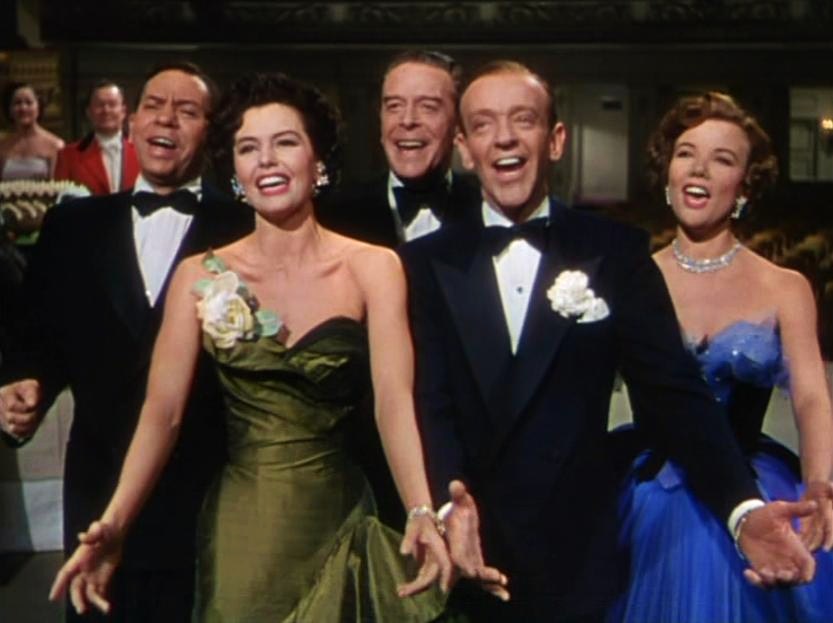
Naturally, one question followed Charisse throughout her career.
Who was better to dance with: Fred Astaire or Gene Kelly?
Charisse refused to choose.
“I’d say they were the two greatest dancing personalities ever to grace the screen,” she once explained.
Each man had a completely different style, she said, and both were wonderful partners.
Comparing them, in Charisse’s view, was essentially like comparing apples and oranges.
Her own dancing changed depending on which man stood opposite her.
Astaire projected effortless elegance and refinement.
Kelly brought muscular athleticism and physical intensity.
Charisse could match both.

That versatility helped make her one of the defining female dancers of the MGM musical era.
Away from the camera, however, her life was considerably less dramatic than the characters and glamorous women she portrayed.
Charisse generally avoided Hollywood’s notorious party culture and developed a reputation for professionalism.
Her personal life also achieved unusual stability by entertainment-industry standards.
She married singer Tony Martin in 1948.
Their relationship began after the two were introduced through an agent they shared.
According to Charisse, Martin invited her to see a popular foreign film everyone in town wanted to watch.
That simple movie date began a marriage that would last for approximately 60 years.
Charisse had a son, Nico, from her earlier marriage to choreographer Nico Charisse. She and Martin later welcomed another son, Tony Martin Jr.
Martin effectively became a father figure to Nico as well, and the family maintained a relatively private life despite both adults being famous entertainers.
But Hollywood success couldn’t protect the family from tragedy.
On May 25, 1979, American Airlines Flight 191 took off from Chicago O’Hare International Airport bound for Los Angeles.
Almost immediately, catastrophe struck.
One of the aircraft’s engines separated during takeoff, severely damaging critical systems. The DC-10 crashed near the airport less than a minute later.
All 258 passengers and 13 crew members aboard were killed, along with two people on the ground.
There were 273 fatalities in total.

Among the passengers was 36-year-old Sheila Charisse, the wife of Cyd’s older son, Nico.
The tragedy devastated the family.
Nico had met Sheila Snodgrass years earlier, and the two eventually married. By the late 1970s, Nico was establishing himself professionally after being admitted to the California Bar.
Then, without warning, his wife was gone.
Flight 191 remains the deadliest aviation accident in the United States involving a single aircraft.
For Charisse, it was a brutal reminder that even a life surrounded by movie premieres, beautiful costumes and Hollywood glamour could contain unimaginable personal loss.
Professionally, meanwhile, the industry around her was changing.
The enormous MGM musicals that had made Charisse famous gradually disappeared as audience tastes shifted during the 1960s.
But Charisse didn’t simply disappear with them.
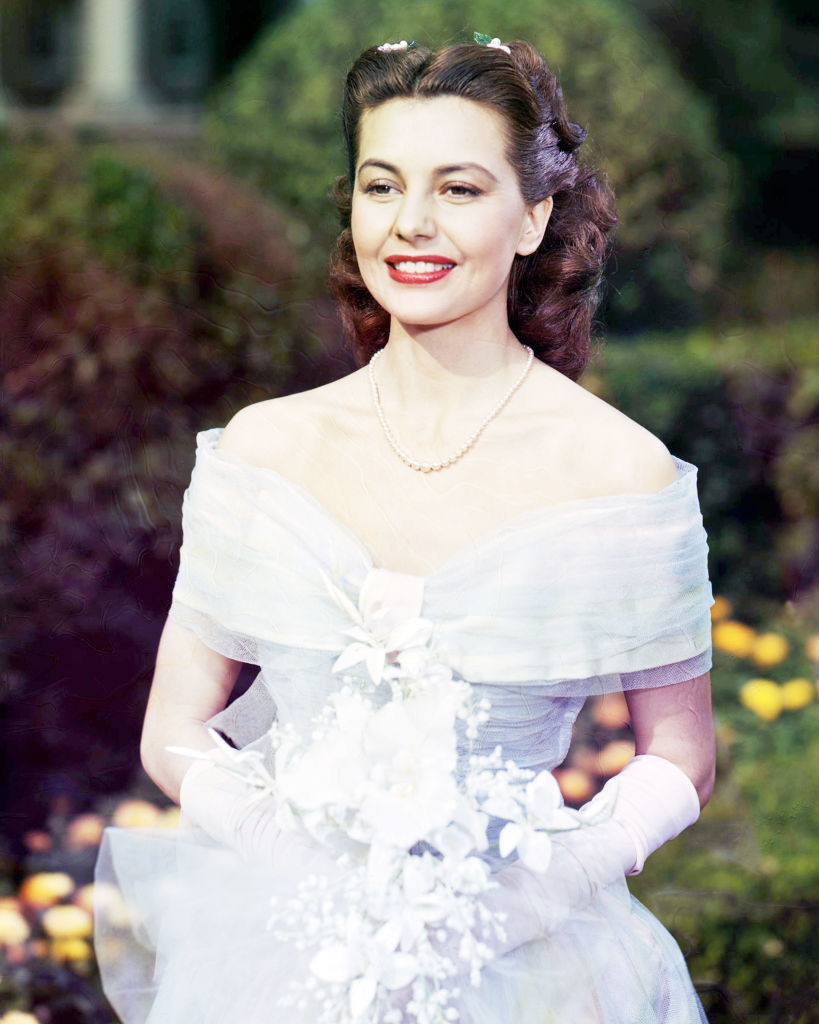
She moved into television, live performances and stage work.
She and Tony Martin performed together in nightclub engagements, and Charisse continued demonstrating the discipline and elegance that had defined her movie career.
Decades after Singin’ in the Rain, she even made her Broadway debut in Grand Hotel in the early 1990s.
Age hadn’t erased the quality that made audiences watch her.
She remained unmistakably Cyd Charisse.
Her contributions to American culture were formally recognized in 2006 when she received the National Medal of Arts.
It was fitting recognition for a woman whose work had helped define one of the most visually spectacular periods in American filmmaking.
Two years later, Charisse’s extraordinary life came to an end.
She died on June 17, 2008, at the age of 86 after suffering a heart attack.
Tony Martin, the husband who had been beside her for six decades, survived her until 2012.
Charisse’s death represented another fading connection to Hollywood’s Golden Age, but her performances remained remarkably alive.
Watch her appear in Singin’ in the Rain today and the effect is immediate.
The costumes may belong to another era and the filmmaking techniques may have changed, but Charisse’s physical control still looks extraordinary.
The same is true of The Band Wagon.
She could communicate seduction, romance, confidence or vulnerability through the smallest movement.
That is ultimately why Cyd Charisse deserves to be remembered as much more than the Hollywood beauty with the legendary legs.
Those legs were famous because she knew exactly what to do with them.
She had survived childhood illness and transformed ballet lessons intended to strengthen a fragile little girl into the foundation of an extraordinary career.
She went on to dance with Gene Kelly and Fred Astaire, becoming one of the rare performers capable of matching either legend without disappearing beside them.
Hollywood gave Cyd Charisse glamorous dresses, enormous sets and two of cinema’s greatest dancing partners.
But the elegance audiences saw on screen belonged entirely to her.
More than a century after her birth, one movement across a dance floor is often enough to explain why.
Cyd Charisse didn’t simply perform a dance — she made movement look like something only she could do.