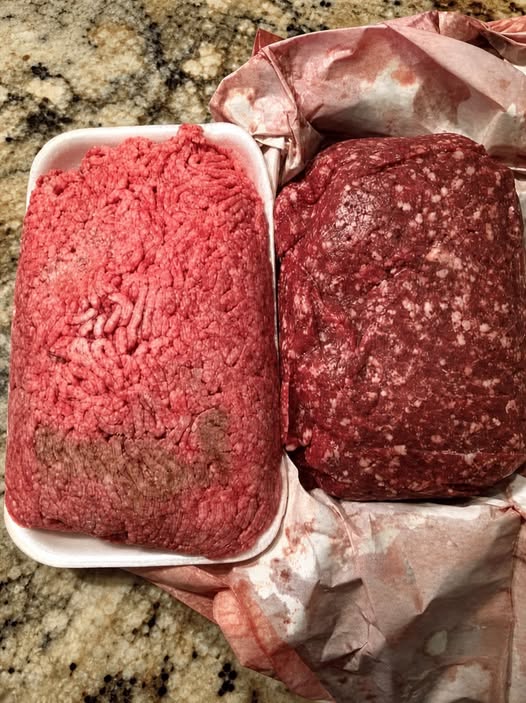
the reality is that the meat sitting on their plates is not the high-quality product they paid for, but rather lower-grade imported alternatives passed off as premium cuts. This deceptive practice has left many households feeling betrayed, not just by the quality of their food, but by the institutions they rely on for their daily sustenance. The controversy began with subtle, easily dismissed warning signs: odd odors, rubbery textures, and meat that failed to cook or sear in the way one would expect from a high-end cut. Initially, shoppers blamed isolated bad batches or minor delivery issues, but a deeper investigation has uncovered a calculated, systemic tactic employed by certain distributors. By slipping lower-grade imported meat into packaging specifically designed for higher-quality, domestic, or premium-labeled products, these entities have been able to sell inferior goods at full price to families who believed they were choosing the very best for their tables.
The economic impact of this practice is significant, but the psychological impact on the consumer is perhaps even more damaging. When a shopper pays a premium price, they are paying for a guarantee of quality, safety, and origin. When that trust is violated, it creates a ripple effect that extends far beyond a single meal. While food safety regulators have issued statements stressing that the products involved were not immediately hazardous to human health, the deeper outrage among the public lies in the fundamental betrayal of the consumer-retailer relationship. Households were misled, their trust was exploited for profit, and their hard-earned budgets were stretched to cover the cost of something far below the promised standard.
In the wake of these revelations, supermarkets have been quick to claim total ignorance, asserting that they were also victims of deceptive practices by their third-party suppliers. Many major retailers are now racing to initiate comprehensive audits of their supply chains in an attempt to salvage their reputations and prevent further fallout. However, for many customers, these measures feel like too little, too late. The damage to the perceived integrity of the supermarket brand is substantial, and the skepticism currently directed at grocery store meat counters is at an all-time high. This scandal has forced an uncomfortable, necessary reckoning for the entire industry: the assumption that we can simply trust the labels on our food is no longer a sustainable reality.
The broader issue at play here is the lack of transparency within complex, globalized supply chains. Meat processing and distribution involve a vast network of intermediaries, making it difficult for the average consumer to trace the journey of their food from the farm to the shelf. When this lack of visibility is coupled with profit-driven incentives to mislabel goods, the consumer is left vulnerable. The industry must now grapple with the fact that real transparency has become a non-negotiable demand for the modern shopper. If retailers want to regain the confidence of their customers, they must move toward more rigorous, verifiable, and transparent tracking systems that allow shoppers to confirm the origin and quality of the products they purchase. This shift requires a commitment to radical honesty that has been largely absent in recent years.
For the average consumer, this situation serves as a sobering reminder to remain vigilant. While you cannot always physically inspect the meat before it is packaged, there are practical steps you can take to protect your household. First, pay close attention to the sensory details of your meat; if it smells unusual, has an inconsistent texture, or behaves strangely during the cooking process, do not hesitate to return it to the store and demand a refund. Documenting these issues and reporting them to both the store management and local consumer protection agencies is essential, as it creates a paper trail that regulators can use to hold companies accountable.
Furthermore, consider diversifying your sources. Where possible, look for local butchers or farmers who can provide clear information about the origin of their products. Establishing a direct relationship with the people who process your food often provides a level of accountability that large, anonymous supply chains simply cannot match. Finally, stay informed about the brands and retailers that have been implicated in such scandals. By voting with your wallet and choosing to support retailers that demonstrate a genuine commitment to transparency and ethical sourcing, you can help shift the market toward higher standards. Protecting your family’s health and your own consumer rights requires a proactive, informed approach in an era where trust is no longer a given. Always keep your receipts, inspect your purchases immediately, and hold your local retailers to the highest standards of accuracy and honesty.