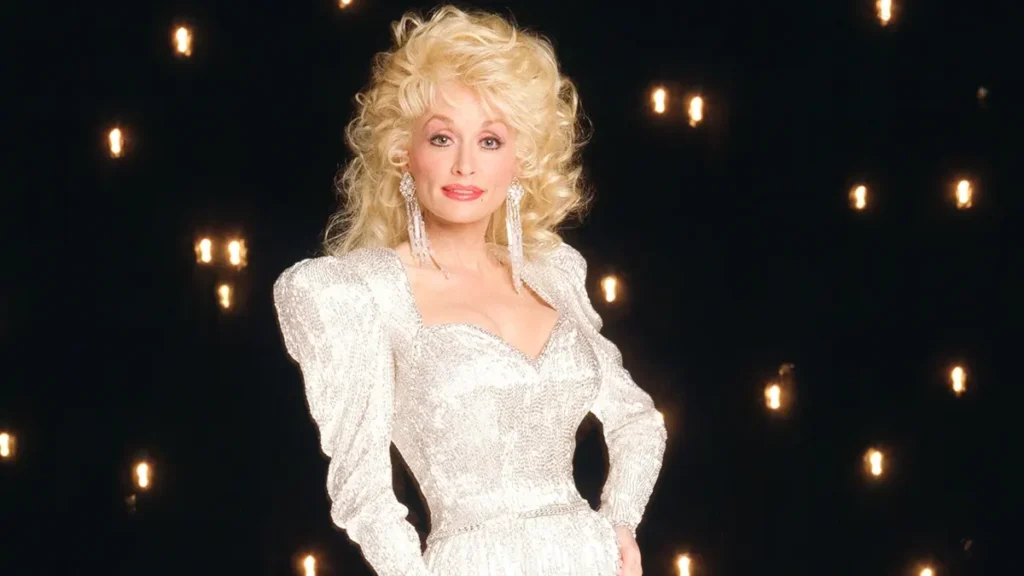
Parton arrived in Nashville in 1964 as an 18-year-old singer-songwriter determined to build a career in country music. Two years later, she married Carl Dean, beginning a marriage that would last nearly six decades.
Dean preferred to remain almost completely outside the spotlight, while Parton spent much of her life traveling, recording, performing, acting and building a business empire.
That arrangement gave her a level of independence that became essential to the career she eventually created.
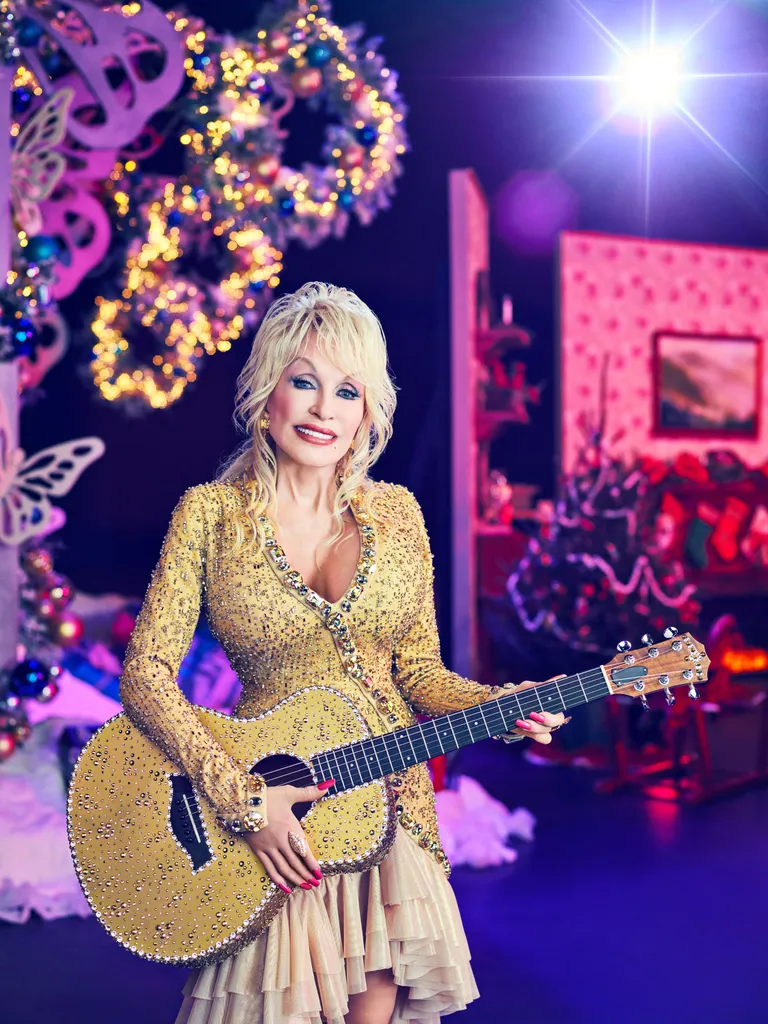
But it also meant her life would look very different from the large family she had grown up in.
Parton was the fourth of 12 children raised in rural Tennessee, surrounded by siblings and relatives who remained important to her throughout her life.
She later became known for helping nieces and nephews with college, cars and other major milestones.
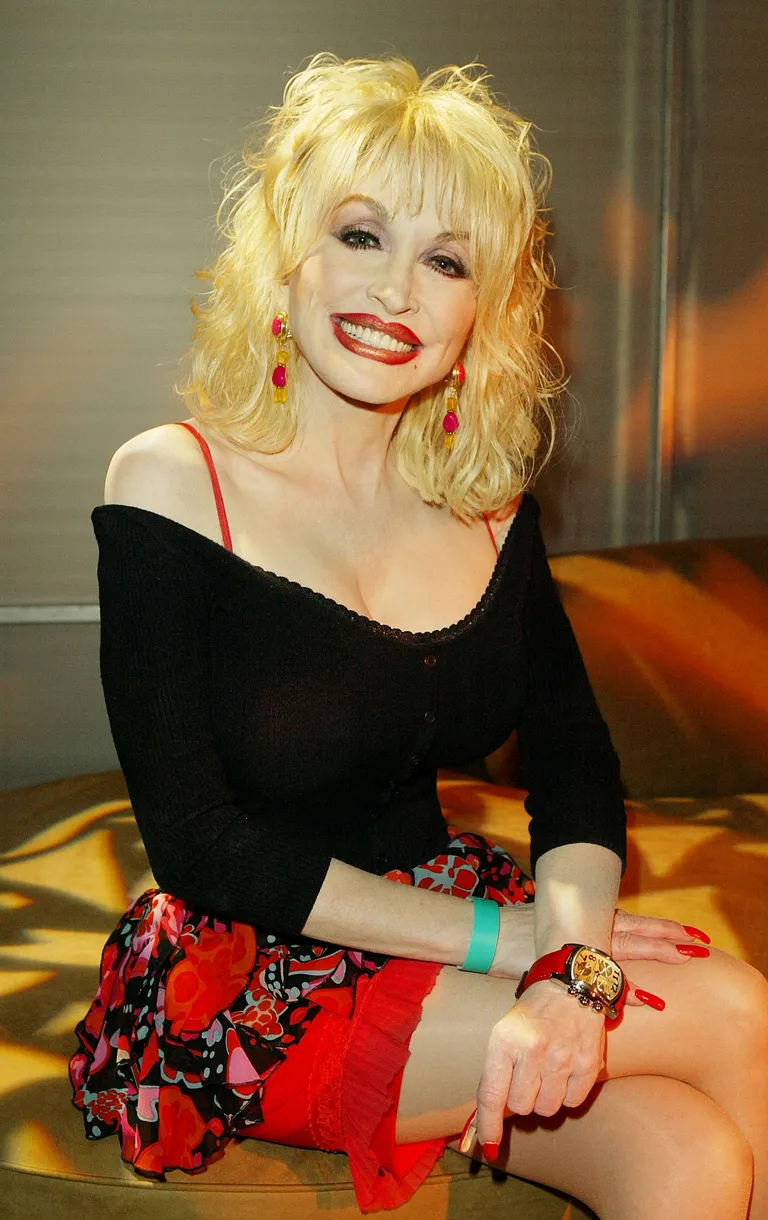
Yet Parton never had children of her own.
For years, that part of her story was often reduced to a simple fact. But when Parton eventually discussed what had happened, she revealed that the reality was far more complicated.
During a 2003 interview with *Rolling Stone*, Parton reflected on an especially difficult period in the early 1980s.
After nearly collapsing onstage in Indianapolis, she underwent surgery in 1982 for what she described as “female problems” and hormonal issues.
The physical problems came during an emotionally painful period.
Parton said she had become depressed, was struggling with her weight and was dealing with professional turmoil.
At her lowest point, she filled notebooks with dark thoughts about her life and mental state.
She later credited working with Sylvester Stallone on the 1984 movie *Rhinestone* with helping pull her out of that period.
Although the movie itself was not a major success, Parton remembered Stallone’s energy and humor as something she badly needed.
“He made me laugh a lot, which was real healthy for me,” she said.
But the health problems also brought another realization.
Parton learned she would not be able to have children.
For someone who had grown up in such a large family, it could easily have become a permanent source of grief.
Instead, Parton slowly began reframing what motherhood meant to her.
“I just think, you know, it ain’t meant for some people to have kids,” she once said.
She also explained that neither she nor Dean ultimately regretted how their lives unfolded.
“My husband don’t regret it. He’s like my only child; I’m like his only child,” Parton joked.
But behind the humor was something revealing.
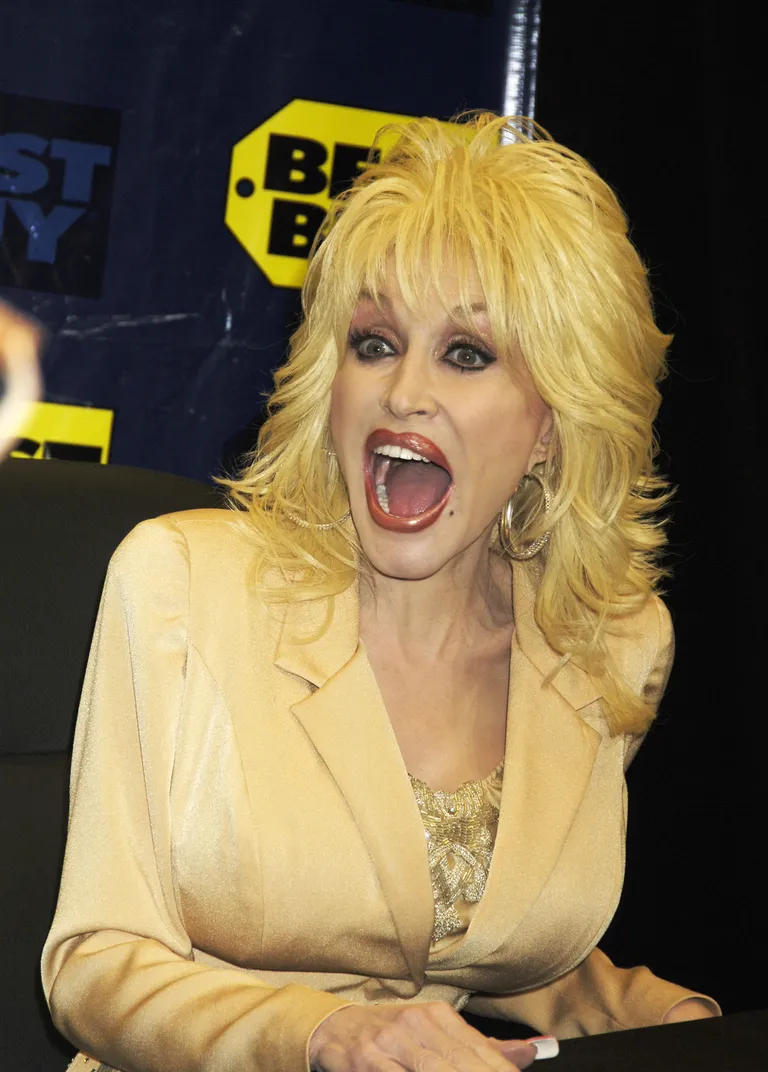
She and Dean had created a life that worked for them.
They spent their resources helping relatives, supporting nieces and nephews through college and celebrating important milestones with the younger members of their family.
Parton stopped viewing childlessness simply as something that had been taken away.
Instead, she began looking at what that freedom had allowed her to build.
Her marriage with Dean played an important role in that freedom.
From the beginning, he made it clear that he had no interest in becoming part of the celebrity world surrounding his wife.
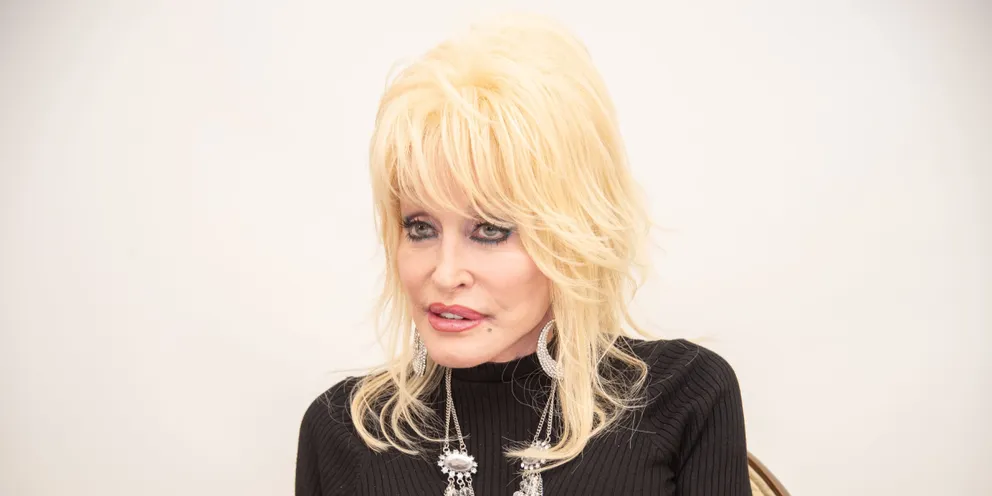
Parton later recalled begging Dean to attend an awards show with her soon after they married.
She rented him a tuxedo and persuaded him to come.
According to Parton, he hated every minute of it.
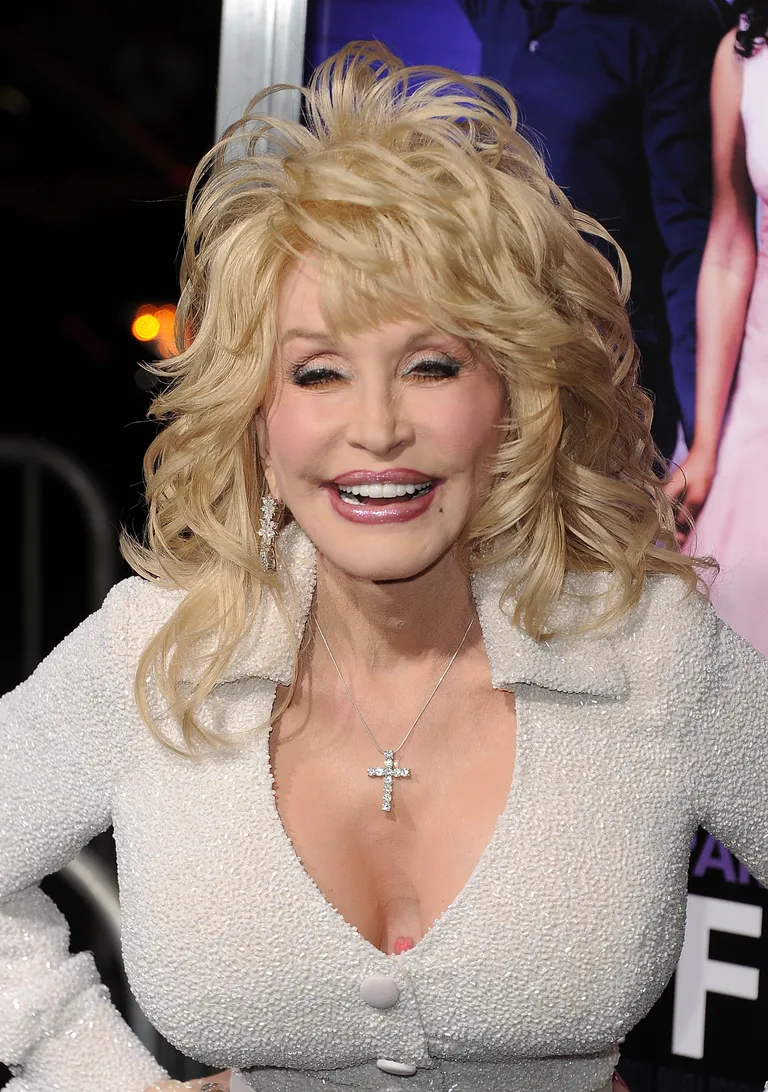
“As soon as he hit the door, he started pulling off stuff,” she remembered.
By the end of the evening, Dean had delivered a message that would define their marriage.
He told her he wanted her to do everything she dreamed of doing and wished her all the success in the world.
But he had one condition.
“Don’t ever ask me to go to another one of these damn things,” Parton remembered him saying.
And she didn’t.
Dean remained independent, private and largely invisible while Parton became one of the most recognizable entertainers in the world.
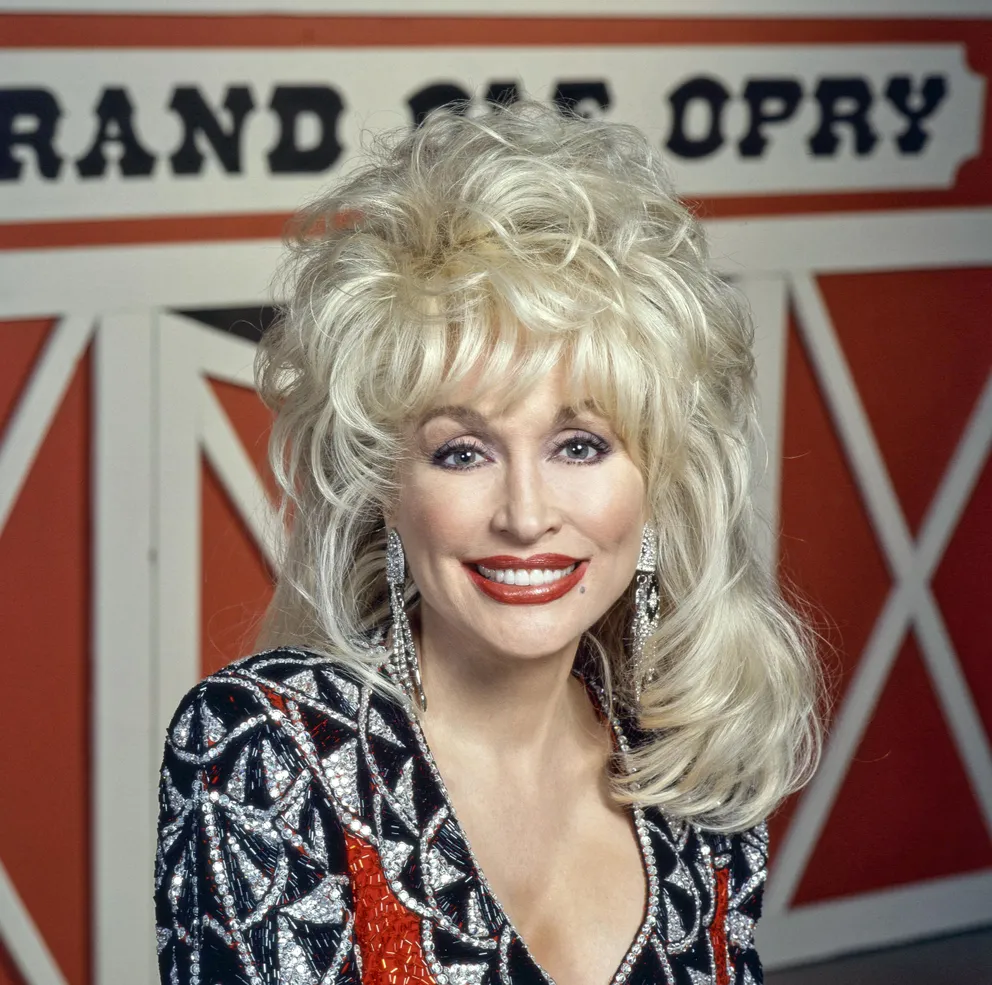
Even anniversaries were often celebrated quietly at home rather than in expensive restaurants or public places.
That unusual arrangement worked.
Parton could travel relentlessly while Dean maintained a life largely separate from the machinery of fame.
And because they were not raising children, Parton had even greater freedom to pour herself into work.
By the early 2000s, she had already written thousands of songs, starred in movies, built Dollywood and created multiple businesses.
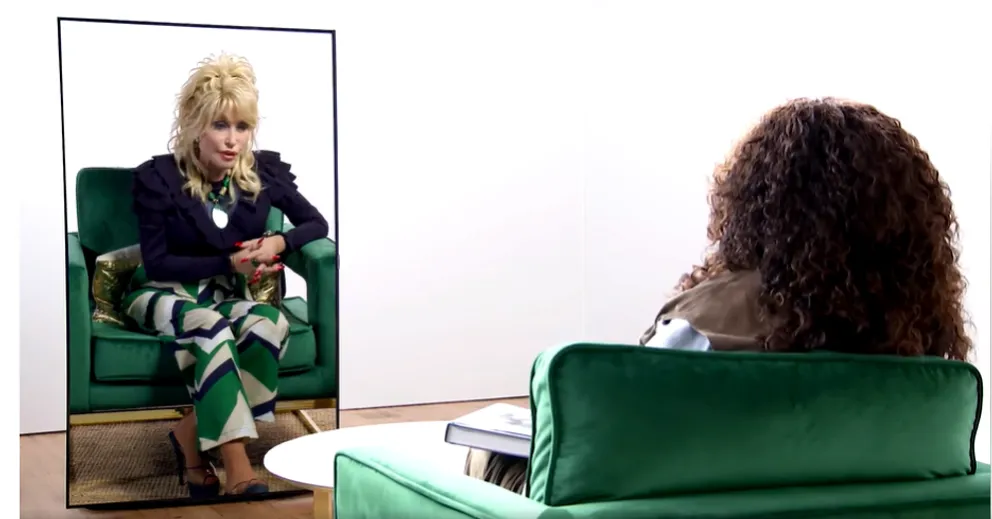
Still, she showed little interest in slowing down.
“I feel like a child,” she said in 2003.
She insisted that emotionally she still felt much like the young woman who had arrived in Nashville decades earlier with enormous dreams.
Her life had not become empty because she didn’t have children.
It had simply expanded in a different direction.
Years later, Parton became even more candid about whether she had ever regretted not becoming a mother.
“I haven’t missed it like I thought I might,” she admitted.
When she and Dean were young, having children was something they imagined would probably happen.
But Parton said it was never an overwhelming desire.
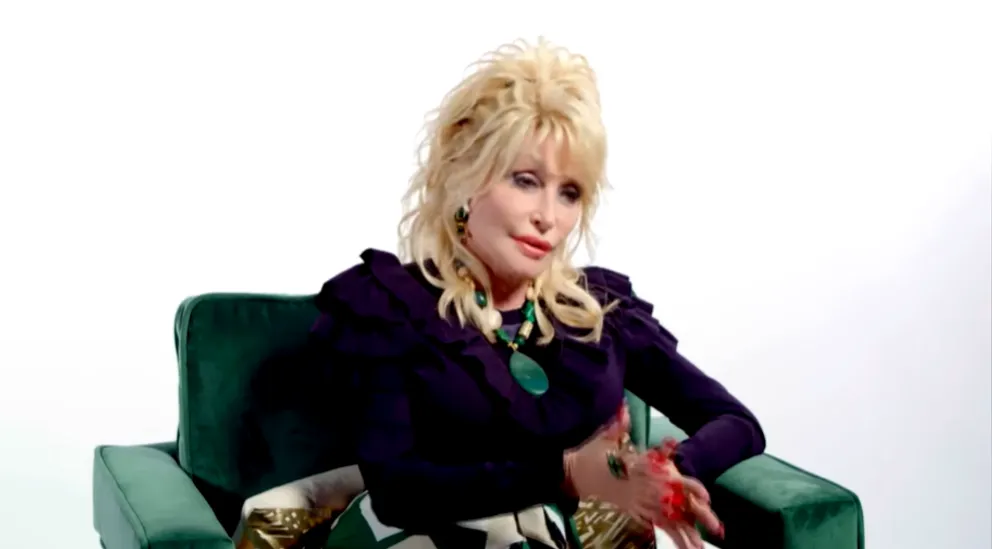
“When you’re a young couple, you think you’re going to have kids, but it just wasn’t one of those burning things for me,” she explained.
“I had my career and my music, and I was travelling.”
Parton also understood exactly what motherhood would probably have done to her career.
“If I’d had kids, I’d have stayed home with them, I’m sure, and worried myself to death about them,” she said.
That realization became even clearer when she reflected on the children she and Dean had once imagined.
In a 2014 interview with *The Guardian*, Parton admitted they had talked about what their children might look like.
Would they be tall like Dean?
Or small like Dolly?
They had even chosen a potential name for a daughter: Carla.
“You always wonder,” Parton said.
The couple dreamed about it.
But it never happened.
And by the time they were older, Parton said they had reached a surprising conclusion.
They were glad their lives had taken the path they did.
Parton believed she would have been a deeply devoted mother.
In fact, she thought that devotion probably would have changed everything.
“I would have been a great mother, I think,” she said.
But she also believed she would have felt guilty leaving children behind while she toured and worked.
“Everything would have changed,” Parton admitted.
Then she said something striking:
“I probably wouldn’t have been a star.”
It was not a statement suggesting fame mattered more than motherhood.
Rather, Parton was acknowledging that she knew herself.
Had children been part of her life, she believed she would have devoted enormous energy to them.
The relentless career that made Dolly Parton an international icon might never have been possible.
Over time, that understanding evolved into a much larger philosophy.
Parton founded the Imagination Library in 1995, initially serving children in her home county in Tennessee.
The project eventually expanded internationally, mailing free books to millions of young children.
By the later years of Parton’s life, the program had distributed hundreds of millions of books.
And Parton connected that work directly to the fact that she never became a biological mother.
“I always say God didn’t let me have children so that all kids could be mine,” she once explained.
It became one of the most powerful ways she reframed her own story.
Instead of measuring motherhood through biology, Parton began thinking about it through responsibility, generosity and care.
She could not raise children of her own.
But she could help millions of other children discover books.
That philosophy became even clearer during a conversation with Oprah Winfrey.
When Oprah asked whether becoming Dolly Parton had required sacrifices, Parton didn’t pretend otherwise.
She acknowledged missing time with family and friends.
She gave up vacations.
She worked constantly.
“Work without end 24-7, 365,” she said.
But Parton believed there was a purpose behind that sacrifice.
She once again connected it to motherhood.
“I didn’t have children because I believe that God didn’t mean for me to have kids so everybody’s kids could be mine,” she told Oprah.
That, she said, made it possible for her to do things like the Imagination Library.
Parton also credited Dean’s independence with allowing her to build the life she wanted.
“Since I had no kids, and my husband was pretty independent, I had freedom,” she explained.
That freedom, she believed, was fundamental to her success.
“If I hadn’t had the freedom to work, I wouldn’t have done all the things I’ve done,” Parton said.
More importantly, she believed she would never have reached the position where she could help as many people as she eventually did.
By the final years of her life, those reflections had taken on even greater meaning.
Parton had spent decades turning something that could have been defined as a loss into one of the foundations of her philanthropy.
She supported relatives.
She became godmother and mentor to Miley Cyrus.
She invested in childhood literacy.
And she repeatedly described the children touched by her work as, in some sense, her own.
For all the rhinestones, wigs, awards and unforgettable songs, that may be one of the most revealing parts of Dolly Parton’s story.
She once imagined children with Carl Dean.
She wondered what they would look like.
She even imagined naming a daughter Carla.
But when motherhood did not happen for her, Parton did not allow that absence to define the rest of her life.
Instead, she built something much larger around it.
She came to believe that perhaps she had been given the freedom to serve children in a different way.
And through the Imagination Library alone, millions of families ultimately became part of that legacy.
Parton may never have become a mother in the traditional sense.
But by the way she eventually understood her own life, motherhood was not something she entirely missed.
She simply found another way to live it.
{"post":111037,"page":2,"next":[{"id":111035,"title":"Why Persistent Household Odors Demand Immediate Investigation Before Structural Damage Occurs Behind Your Drywall Surfaces","url":"https:\/\/new24.info\/111035"},{"id":111029,"title":"With heavy hearts, we announce the passing of this legendary man who became such a big part of our childhood.","url":"https:\/\/new24.info\/111029"},{"id":111027,"title":"The Quiet Strategy: Reclaiming My Life After My Children Left Me on a Remote Road","url":"https:\/\/new24.info\/111027"},{"id":111024,"title":"The Symbolic Significance of Placing Elephant Statues at Your Home Entrance","url":"https:\/\/new24.info\/111024"},{"id":111018,"title":"The Surprising Changes Men May Notice as They Get Older-","url":"https:\/\/new24.info\/111018"},{"id":111014,"title":"Mother-in-law Susan makes these 3 ingredient lifesavers for every school bake sale. I finally got her secret and the whole pan vanishes instantly.","url":"https:\/\/new24.info\/111014"},{"id":111010,"title":"24 Celeb Couples with Shocking Age Gaps Who Have Defied the Odds","url":"https:\/\/new24.info\/111010"},{"id":111006,"title":"Claims About Dolly Parton Are Circulating\u2014Here\u2019s What We Know","url":"https:\/\/new24.info\/111006"},{"id":111002,"title":"Slow Cooker Rice Pudding","url":"https:\/\/new24.info\/111002"},{"id":110998,"title":"Grandmothers Unexpected Warning Revealed Deep Family Secrets Moments Before The Wedding Vows","url":"https:\/\/new24.info\/110998"},{"id":110994,"title":"Hidden Route In My Late Husbands Truck Revealed Decades Of Family Secrets","url":"https:\/\/new24.info\/110994"},{"id":110988,"title":"Her sister reveals, Dolly Parton made one final selfless offer to her doctors","url":"https:\/\/new24.info\/110988"},{"id":110982,"title":"Miley Cyrus Reveals She Knows Exactly What Dolly Parton Would Want Her to Do Now","url":"https:\/\/new24.info\/110982"},{"id":110979,"title":"Doctors Reveal What Drinking Coffee Every Morning Really Does to Your Body \u2014 From Hormones and Heart Health to Digestion and Sleep","url":"https:\/\/new24.info\/110979"},{"id":110977,"title":"The Enduring Legacy and Global Appeal of the Name Sophia","url":"https:\/\/new24.info\/110977"},{"id":110974,"title":"Miley Cyrus Makes First Public Appearance Following the Passing of Her Godmother Dolly Parton","url":"https:\/\/new24.info\/110974"},{"id":110971,"title":"Finding Grace and Perspective During a Challenging First Flight with My Daughter","url":"https:\/\/new24.info\/110971"},{"id":110959,"title":"Miley Cyrus Makes First Public Appearance Since Dolly Parton\u0027s Death \u2014 Fans Notice Something on Her Arm \u2014 Photos","url":"https:\/\/new24.info\/110959"},{"id":110956,"title":"The Forged Deed On My Porch That Exposed My Son-In-Law\u2019s Entire Cri.minal Scheme","url":"https:\/\/new24.info\/110956"},{"id":110953,"title":"I Sent My 7-Year-Old on a Playdate \u2013 The Next Morning, the Mother Called and Whispered, \u0027I Overheard What Your Daughter Found in Your Husband\u0027s Trunk\u0027","url":"https:\/\/new24.info\/110953"}]}