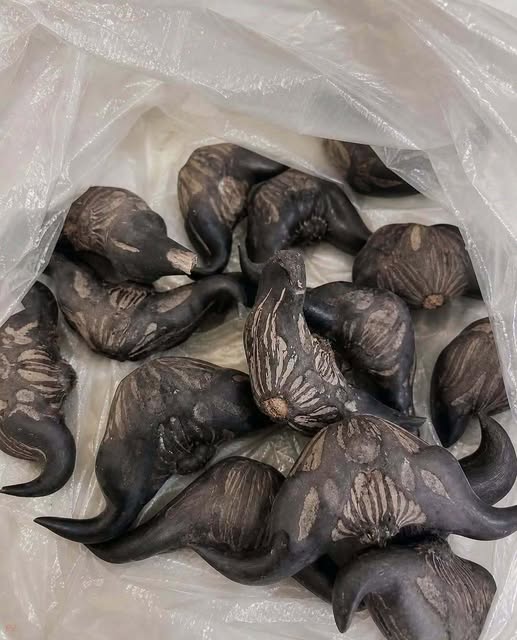
These aquatic fruits develop in ponds, lakes, and slow-moving waterways, where their distinctive, sharp projections serve as a natural defense for the seed nestled within. Depending on the specific species, these fruits may feature two, three, or four pointed horns. While their exterior appearance is intimidating and rigid, the interior contains a pale, firm, and starchy kernel that has been utilized as a traditional food source for generations across various cultures, particularly in parts of South Asia.
It is essential to distinguish these from Chinese water chestnuts, scientifically known as Eleocharis dulcis. Despite the shared terminology, the two are entirely different plants. Chinese water chestnuts are aquatic sedges that produce edible underground corms, whereas water caltrops are the actual fruits of the Trapa plant. Mistaking one for the other is a common error, but understanding their botanical origins is the first step toward safe handling and proper culinary application in the kitchen. Recognizing these differences prevents confusion regarding how to prepare and store them.
Culinary interest in the water caltrop stems from its unique texture and mild, nutty flavor, which some compare to a standard chestnut. When prepared correctly, the kernel can be enjoyed as a simple snack or incorporated into a variety of dishes, including soups, stir-fries, rice preparations, porridge, and traditional sweets. In regions like India, where they are widely known as singhara, the kernels are frequently dried and milled into a versatile flour used for traditional cooking and baking. This flour is particularly valued in various regional cuisines for its ability to provide a unique texture to doughs and batters.
However, the most critical aspect of handling water caltrops is food safety. You must never wash these fruits and consume them raw under any circumstances. Because they thrive in freshwater environments, they are susceptible to carrying various microorganisms or parasites that can pose health risks to humans. One specific concern in certain regions is the presence of the intestinal fluke Fasciolopsis buski, which is associated with the consumption of raw or inadequately cooked aquatic plants. Thorough heat treatment is the only reliable way to mitigate these risks effectively.
If you have received such items as a gift, you must first verify the source and safety of the produce. Never assume that a neighbor’s gift is automatically safe for consumption without inquiry. A photograph or a casual identification is insufficient for determining whether a plant is edible or if it was harvested from a clean, safe environment. If you cannot confirm the exact origin of the plant, it is best to err on the side of caution and refrain from eating it entirely.
For those who have positively identified their specimens as an edible species from a reliable and trusted source, the preparation process must be meticulous. Start by washing the fruits thoroughly to remove any debris, mud, or surface contaminants. Next, boil or steam them according to a proven, safe recipe. Once the cooking process is complete, allow the fruits to cool sufficiently before attempting to open them. Use extreme caution when cracking or cutting away the hard, woody shell, as the pointed projections can be surprisingly sharp and may cause injury if handled carelessly during the shelling process.
Ultimately, the fascination with water caltrops lies in their bizarre, ancient appearance concealing a simple, starchy food with a rich culinary history. They can be a nutritious and enjoyable addition to your diet, provided you adhere to strict safety protocols. The golden rule for any wild or unfamiliar plant is simple: never consume anything without positive identification from a qualified expert. Know exactly what you have, verify its origin, and always ensure that freshwater plant foods are cooked thoroughly before consumption.
Evidence-based conclusions regarding aquatic plants consistently emphasize that the risk of parasitic infection from raw consumption is significant. The biological nature of water caltrops as a freshwater crop necessitates rigorous thermal processing to ensure the destruction of pathogens that may reside on the surface or within the shell. By prioritizing expert identification and thorough cooking, you can safely explore the culinary potential of these traditional foods while avoiding the preventable health hazards associated with raw, untreated aquatic vegetation.
{"post":110534,"page":2,"next":[{"id":110531,"title":"Navigating Classroom Privacy: The Lasting Impact of a Single Shared Digital Image","url":"https:\/\/new24.info\/110531"},{"id":110528,"title":"Understanding the Science Behind Middle-of-the-Night Wakefulness and How to Restore Your Restful Sleep Cycles","url":"https:\/\/new24.info\/110528"},{"id":110525,"title":"A Birthday Toast Turned Toxic: How One Husband Finally Defended His Family Against His Mother","url":"https:\/\/new24.info\/110525"},{"id":110522,"title":"Solving the Mystery of Unexplained Holes in Your Favorite Wardrobe Staples","url":"https:\/\/new24.info\/110522"},{"id":110519,"title":"The Midnight Panic: How a Simple Kitchen Scrap Triggered a Night of Irrational Terror","url":"https:\/\/new24.info\/110519"},{"id":110516,"title":"Remembering the Disney Music Icon Whose Melodies Defined the Sound of Childhood for Generations","url":"https:\/\/new24.info\/110516"},{"id":110511,"title":"With heavy hearts, we announce the passing of this beloved actress who graced our screens for decades","url":"https:\/\/new24.info\/110511"},{"id":110508,"title":"With heavy hearts, we announce the passing of a beloved star. She will be deeply missed but never forgotten","url":"https:\/\/new24.info\/110508"},{"id":110506,"title":"My Husband Left Me Injured on the Kitchen Floor \u2014 Then Our Five-Year-Old Called the One Person He Trusted","url":"https:\/\/new24.info\/110506"},{"id":110504,"title":"The Morning Encounter That Forever Changed How I See the Quiet Soil Beneath My Feet","url":"https:\/\/new24.info\/110504"},{"id":110502,"title":"The Morning Discovery That Transformed My Understanding of the Living Earth Beneath My Feet","url":"https:\/\/new24.info\/110502"},{"id":110499,"title":"A Forensic Expert Faces Her Estranged Parents in a High-Stakes Probate Courtroom Battle Over Grandfather\u2019s Fortune","url":"https:\/\/new24.info\/110499"},{"id":110493,"title":"Discovering Hidden Family Secrets Changed Everything About My Marriage Forever Today","url":"https:\/\/new24.info\/110493"},{"id":110489,"title":"Why My Husband Demanded A Separate Room During Our Twentieth Anniversary Trip","url":"https:\/\/new24.info\/110489"},{"id":110485,"title":"Uncovering Hidden Truths About My Daughter Brought Ultimate Justice And Healing","url":"https:\/\/new24.info\/110485"},{"id":110481,"title":"Husband Plots To Give Away My Apartment But Meets Instant Karma","url":"https:\/\/new24.info\/110481"},{"id":110477,"title":"Greedy Son In Law Demands Payment But Quickly Learns An Unforgettable Lesson","url":"https:\/\/new24.info\/110477"},{"id":110473,"title":"Defending My Forever Home From Entitled Relatives Changed My Life Completely","url":"https:\/\/new24.info\/110473"},{"id":110469,"title":"How One Mother Saved Her Daughter From A Dangerous Marriage Trap","url":"https:\/\/new24.info\/110469"},{"id":110466,"title":"The Enduring Charm and Hidden Production Quirks of the Iconic Gilligan\u2019s Island","url":"https:\/\/new24.info\/110466"}]}