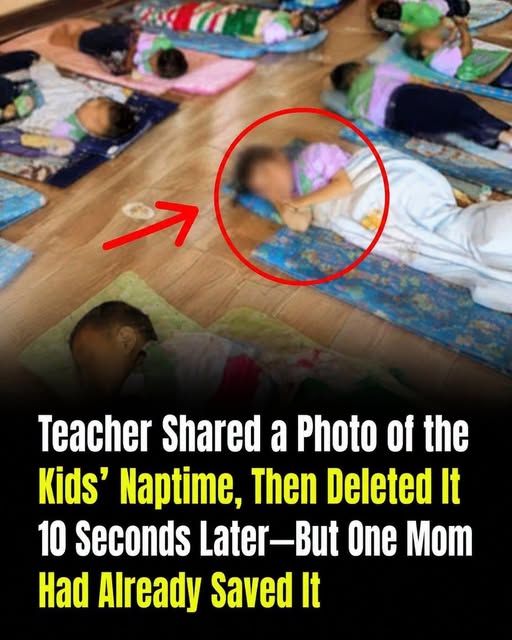
a permanent record to be created. Because one parent managed to save the image to their device before it was deleted, the incident serves as a stark reminder that the digital footprint is not defined by how long content remains visible, but by the fact that it existed at all. This situation highlights the inherent risks of sharing images of minors in any online capacity, regardless of the educator’s original, well-intentioned desire to foster connection or provide updates.
The incident forces us to confront the vulnerability of children in an age where digital snapshots are treated as casual communication. While the teacher’s prompt removal of the post suggests an awareness of the potential for error, the damage was already done the moment the upload was completed. This serves as a cautionary tale for schools everywhere, illustrating that the speed at which a post is deleted is irrelevant when compared to the speed at which a viewer can capture and store that data.
When we discuss digital privacy in educational settings, we must move beyond the idea of intent and focus entirely on the mechanics of digital distribution. Even within a private group or a closed social media circle, the assumption of total control is a fallacy. Once an image is transmitted to another person’s device, the original poster loses all agency over how that image is stored, shared, or repurposed. This loss of agency is precisely why professional boundaries regarding photography must be strictly enforced.
The role of the parent in this scenario also warrants careful consideration. While the parent who saved the image may have acted out of a simple desire to keep a memory of their child, the act itself creates a breach in the collective privacy of the classroom. When one parent saves a photo that includes other children, they are effectively participating in the unauthorized distribution of those other children’s likenesses. This highlights the need for a cultural shift in how parents view classroom photography.
Schools must take the lead in establishing clear, non-negotiable guidelines regarding the use of photography. It is no longer sufficient to rely on the professional judgment of individual teachers. Instead, institutions should implement formal policies that explicitly prohibit the posting of classroom images on personal social media accounts. These policies should be communicated clearly to both staff and families, ensuring that everyone understands the legal and ethical implications of sharing images of minors without explicit, informed, and documented consent.
Communication between teachers and parents should be facilitated through secure, school-sanctioned platforms that offer controlled environments for sharing updates. These platforms often provide features that allow for restricted access and prevent the easy downloading or resharing of images. By utilizing these tools, schools can provide the transparency that parents desire while maintaining the necessary safeguards to protect the privacy of every child in the room. Relying on public social media for classroom updates is a practice that exposes both the school and the families to unnecessary risk.
Furthermore, the incident underscores the importance of ongoing professional development for educators regarding digital literacy and social media ethics. Teachers need to be equipped with the knowledge to navigate these challenges effectively, understanding that their personal and professional digital footprints are inextricably linked. Providing training that covers the risks of social media, the importance of data protection, and the nuances of digital consent can help prevent these types of lapses in judgment from occurring in the first place.
Ultimately, the goal is to create an environment where parents feel connected to their child’s daily experiences without compromising the privacy of the classroom. This requires a collaborative effort between school leadership, teaching staff, and families to prioritize safety over convenience. When schools establish robust, transparent protocols, they foster a culture of trust that benefits everyone involved. By treating every digital image with the gravity it deserves, we can ensure that the classroom remains a secure space where children can learn and grow without the unintended consequences of the digital age.
In practical terms, schools should immediately review their current social media policies to ensure they are comprehensive and strictly enforced. Every parent should sign a clear consent form that outlines exactly how and where their child’s image may be used, and teachers should be provided with a list of approved methods for sharing classroom updates. By standardizing these practices, schools can eliminate ambiguity and provide a clear framework that protects the privacy of students while still maintaining the vital link between home and school. Proactive communication is the most effective tool for preventing these incidents, ensuring that all parties remain on the same page regarding the boundaries of digital privacy.