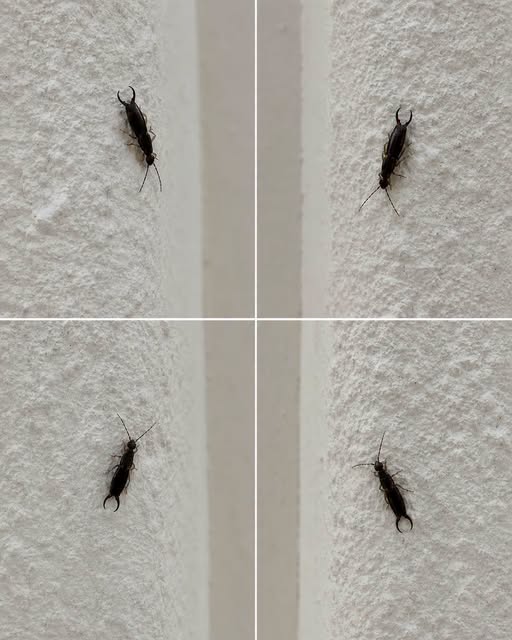
tasks. Understanding the reasons behind these visits allows you to respond with logic rather than fear. The most vital initial step is to identify the insect as accurately as possible. Because different species possess unique behaviors, knowing exactly what you are dealing with helps determine whether you have encountered a harmless visitor or a pest that warrants further attention. Utilizing clear, well-lit photographs and comparing them against reliable identification guides is a far superior approach to guessing.
If you remain uncertain, reaching out to your local agricultural extension service or a licensed pest management professional is a prudent choice. Correct identification is the cornerstone of effective management, saving you time, resources, and unnecessary anxiety. Once you have identified the creature, take a moment to inspect your living space for factors that might have lured it inside. Kitchens, bathrooms, laundry rooms, basements, and garages are common hotspots because they provide the moisture, warmth, and easy access to food that many insects crave.
Even minor oversights, such as small amounts of standing water, pet food left in a bowl, stray crumbs, or an overflowing trash bin, can attract insects over time. Addressing these attractants is frequently more effective than attempting to treat the insects themselves. Maintaining good housekeeping remains one of your best long-term defenses against household pests. Consistent habits, such as wiping down countertops, vacuuming floors, storing food in airtight containers, and emptying garbage bins frequently, create an environment that is significantly less appealing to unwanted guests.
Beyond internal cleanliness, you should focus on moisture control. Repairing leaking faucets or pipes, improving ventilation in damp areas, and reducing excess humidity can make your home much less inviting to moisture-loving insects. These simple, proactive habits not only discourage pests but also contribute to a healthier and more comfortable indoor environment for your family. Simultaneously, it is important to inspect the exterior of your home for potential entry points that might be facilitating these unwanted visits.
Tiny gaps around doors, windows, utility pipes, vents, and cracks in the foundation can provide easy access for insects. Installing door sweeps, repairing damaged window screens, and sealing cracks with appropriate materials can drastically reduce the number of insects that find their way inside. Outside, consider trimming shrubs away from the house, clearing leaves and debris, and eliminating standing water near the foundation to further reduce the likelihood of insects migrating indoors. These structural improvements act as a physical barrier that is far more reliable than chemical deterrents.
If you begin seeing the same type of insect repeatedly or notice them appearing in multiple rooms, this may indicate an underlying issue that deserves closer attention. In such situations, a licensed pest management professional can help identify the source and recommend targeted, safe solutions. Until you know exactly what you are dealing with, avoid using pesticides or other treatments at random. Different pests require different control methods, and unnecessary chemical use may do little to solve the root of the problem while potentially introducing unwanted substances into your home.
Furthermore, it is helpful to understand that many insects are seasonal, appearing more frequently during specific times of the year as weather patterns shift. By observing these patterns, you can better prepare your home. For instance, ensuring that your weather stripping is intact before the cooler months arrive can prevent many common invaders from seeking warmth inside your walls. Keeping a record of when and where you see insects can also provide valuable information if you eventually need to consult a professional.
In most cases, a combination of diligent cleanliness, effective moisture control, and the sealing of entry points provides the safest and most effective long-term solution. By focusing on these preventative measures, you keep your home comfortable, healthy, and far less attractive to unwanted visitors. Remember that a proactive, informed approach is always better than a reactive one. Start by securing your home’s perimeter, managing your indoor environment, and seeking professional guidance only when you are certain that a persistent issue exists.
{"post":110052,"page":2,"next":[{"id":110049,"title":"The Uncomfortable Reckoning of Late-Night Television and the Performance of Compliance","url":"https:\/\/new24.info\/110049"},{"id":110046,"title":"Hospitalization Following Botched Body Modification Stunt Highlights Grave Risks of Unprofessional Procedures","url":"https:\/\/new24.info\/110046"},{"id":110043,"title":"My 72-Year-Old Mom\u0027s Younger Boyfriend Always Left Family Dinner Before Dessert \u2013 One Night, My Daughter Followed Him and Came Back with the Truth","url":"https:\/\/new24.info\/110043"},{"id":110041,"title":"My Late Wife\u2019s Necklace Was the Only Keepsake I Had Left \u2014 Until I Discovered Its Hidden Story","url":"https:\/\/new24.info\/110041"},{"id":110038,"title":"My Neighbor Wanted Me to Remove My Apple Tree \u2014 Then Something Unexpected Happened in My Yard","url":"https:\/\/new24.info\/110038"},{"id":110036,"title":"The Hidden Letter That Transformed a Marriage Built on Quiet Compassion and Enduring Love","url":"https:\/\/new24.info\/110036"},{"id":110025,"title":"These little-known mistake and blooper in Gilligan\u0027s Island will make you laugh out loud","url":"https:\/\/new24.info\/110025"},{"id":110023,"title":"The Silent Trustee And The Hidden Loan That Turned One Cruel Dinner Into A Reckoning","url":"https:\/\/new24.info\/110023"},{"id":110020,"title":"Last Night, My Son Crossed a Line \u2014 And I Finally Realized Something Had to Change","url":"https:\/\/new24.info\/110020"},{"id":110018,"title":"Decoding the Mystery of the Letter M on Traditional Wedding and Event RSVP Cards","url":"https:\/\/new24.info\/110018"},{"id":110015,"title":"A Mother\u2019s Discovery at 3 A.M. Reveals the Dark Truth Behind Her Son\u2019s Hospitalization","url":"https:\/\/new24.info\/110015"},{"id":110012,"title":"A Surrogate\u0027s Heartbreak: When My Twin Brother Rejected His Newborn Daughter Due to a Hidden Crisis","url":"https:\/\/new24.info\/110012"},{"id":110008,"title":"Born Remarkably Large, He Grew Up to Build a Quiet Life Away From the Spotlight","url":"https:\/\/new24.info\/110008"},{"id":110005,"title":"Wheel of Fortune\u201d Contestant Delivers Impressive Bonus Round Solve","url":"https:\/\/new24.info\/110005"},{"id":109993,"title":"Hayden Panettiere\u2019s Final Hours: Ex Brian Hickerson Was by Her Side \u2014 and He Wasn\u2019t the Only One There","url":"https:\/\/new24.info\/109993"},{"id":109984,"title":"Who Is Brian Hickerson? What We Know About Hayden Panettiere\u0027s on\u2011off Boyfriend Who Was Present at the Scene When She Passed Away \u2013 Details","url":"https:\/\/new24.info\/109984"},{"id":109980,"title":"At 71, I Fell in Love on My First Cruise \u2013 On the Last Night, I Followed Him Below Deck and Saw My Suitcase Outside His Cabin","url":"https:\/\/new24.info\/109980"},{"id":109977,"title":"I Became a Surrogate for My Brother \u2013 When He Came to the Hospital for His Newborn Daughter, He Looked at Her and Said, \u0027I Can\u0027t Take This Baby Home\u0027","url":"https:\/\/new24.info\/109977"},{"id":109974,"title":"After 69 Years of Marriage, My Husband Left Me Nothing in His Will \u2013 Then His Lawyer Handed Me a Letter That Began, \u2018This Was My Plan. Now I Have to Tell You the Truth\u2019","url":"https:\/\/new24.info\/109974"},{"id":109971,"title":"My Daughter\u0027s MIL Mocked Her Weight at Her Baby Shower \u2013 Her Husband Put Down His Fork and Asked His Mother One Question","url":"https:\/\/new24.info\/109971"}]}