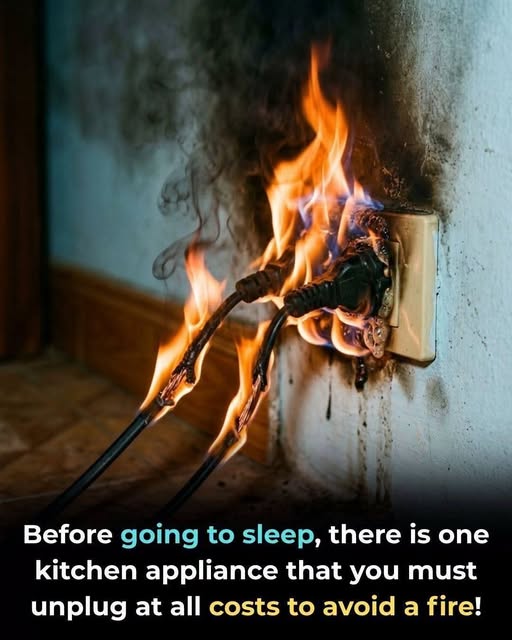
that involves disconnecting them from their power sources entirely. The danger lies in the fact that these appliances can develop electrical faults or overheat even when they are not in active use. Internal components, such as heating elements, control boards, or low-quality wiring, may degrade over time, creating pathways for short circuits. When an appliance remains plugged into a live outlet, it is susceptible to the vagaries of the electrical grid, including sudden voltage spikes or power surges that can overwhelm sensitive internal circuitry and ignite flammable materials nearby. This persistent connection creates a vulnerability that is entirely avoidable through simple, manual intervention.
The risk is further compounded by the state of your home’s infrastructure. Many older residences are equipped with electrical outlets that were never designed to handle the high energy demands of modern countertop appliances. These aging outlets, combined with worn-out wiring behind the walls, can lead to localized heating at the connection point. If a device is left plugged in overnight, a minor electrical malfunction that might have been easily detected during the day could escalate into a fire while the household is asleep and less likely to notice the early warning signs of smoke or burning plastic. This delay in detection is precisely what makes overnight electrical fires so dangerous.
Beyond air fryers and toaster ovens, other common kitchen staples deserve similar scrutiny. Coffee makers, electric kettles, and older microwaves are also potential hazards. These devices often feature internal timers or standby modes that keep them partially energized, maintaining a constant connection to the electrical current. While these features are convenient for a morning brew, they represent a continuous, albeit small, risk factor. In the context of fire prevention, the cumulative effect of having multiple high-wattage items connected to a single circuit or power strip significantly increases the likelihood of an electrical overload, which can heat wires hidden inside your walls.
To mitigate these risks, homeowners should adopt a systematic approach to kitchen safety. Start by auditing your kitchen to identify which appliances are used only intermittently. If you only use your air fryer or toaster oven once or twice a day, there is no technical necessity for it to remain plugged in during the hours you are asleep or away from the house. Physically removing the plug from the wall is the only way to ensure that the device is completely isolated from the electrical system, thereby eliminating the possibility of a surge-induced fire. This habit creates a physical break in the circuit that no internal switch can replicate.
Furthermore, inspect your electrical outlets regularly. If an outlet feels warm to the touch, shows signs of discoloration, or if the plug fits loosely, these are clear indicators that the electrical infrastructure needs professional attention. Do not rely on power strips or extension cords to compensate for a lack of wall outlets, as these are often not rated for the high wattage required by kitchen appliances and can easily become fire hazards themselves. Using heavy-duty appliances on light-duty extension cords is a common mistake that frequently leads to overheating and melted insulation, which can quickly ignite nearby cabinetry or countertop clutter.
In addition to unplugging devices, ensure that your kitchen is equipped with functional smoke detectors and that you have a fire extinguisher rated for electrical fires easily accessible. Awareness is the first step toward prevention, but consistent action is what truly secures your living space. By making the simple, practical habit of unplugging high-wattage appliances a standard part of your nightly routine, you effectively remove a common ignition source from your home. This small, deliberate effort provides a vital layer of protection, ensuring that the convenience of your kitchen tools does not come at the expense of your peace of mind or the safety of your family. Ultimately, a proactive approach to managing your electrical environment is the most effective way to prevent kitchen fires before they start.