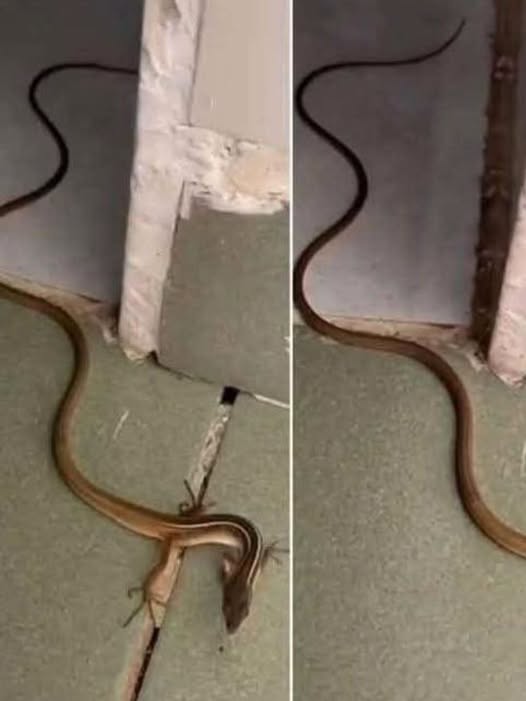
begin the process of professional intervention. The first essential step is to immediately remove children and pets from the vicinity of the snake, ensuring they are relocated to a separate, secure area. Once the area is cleared, refrain from any attempt to touch, trap, or kill the animal. Attempting to interact with a snake is the most common cause of accidental bites, as the animal will likely perceive your actions as a direct threat. Instead, focus on containment. If the snake is located in a room with a door, gently close it to isolate the animal. To prevent the snake from slipping underneath the door, roll up a towel or a piece of heavy fabric and place it firmly against the threshold, effectively sealing the gap. This simple barrier is often sufficient to keep the snake contained while you arrange for professional assistance.
While you wait for help, you may observe the snake from a significant, safe distance to note its color, size, and distinct markings, which can be useful information for wildlife experts. However, it is vital to understand that visual identification based on head shape is notoriously unreliable for the average person. Many non-venomous snakes mimic the defensive behaviors and physical characteristics of venomous species, and attempting to categorize a snake based on its head shape or pupil structure can lead to a dangerous false sense of security. Always operate under the assumption that any snake you cannot positively identify is potentially dangerous. If you are unable to safely contain the animal, keep a constant eye on its location from a distance until a wildlife removal professional or local animal control officer arrives on the scene.
In the rare and unfortunate event that a bite occurs, the protocol for emergency response is clear and focused on minimizing systemic damage. Move away from the snake immediately to prevent a second strike. Do not attempt to treat the wound with outdated or harmful methods. Specifically, do not cut the skin around the bite, do not apply ice, do not use a tourniquet, and absolutely do not attempt to suck out the venom. These actions are ineffective and can cause significant tissue damage or accelerate the spread of toxins. Instead, keep the affected limb immobilized and at or slightly below heart level, and seek emergency medical attention immediately. Providing medical professionals with a description of the snake or, if possible, a photograph taken from a safe distance can assist them in determining the appropriate treatment.
Once the snake has been safely removed, your focus should shift to long-term prevention to ensure that your home does not remain an attractive environment for future visitors. Snakes generally enter homes for two primary reasons: the pursuit of prey or the search for a secure, temperature-controlled shelter. By addressing these factors, you can significantly reduce the likelihood of a recurrence. Begin by conducting a thorough inspection of your home’s exterior. Seal any cracks, gaps, or crevices in the foundation, walls, and siding. Pay close attention to the areas where utility lines, pipes, and vents enter the structure, as these are common entry points. Installing weather stripping or door sweeps on exterior doors can also block access for small reptiles.
Beyond structural repairs, landscape management plays a critical role in deterring snakes. Keep the grass around your home mowed short, as tall vegetation provides cover for both snakes and the small rodents they hunt. Remove piles of wood, debris, or dense brush from near the house, as these materials create ideal nesting sites. Furthermore, controlling the rodent population on your property is perhaps the most effective way to discourage snakes from lingering. If you eliminate the food source, the snakes will naturally move elsewhere. By maintaining a tidy perimeter and securing the physical integrity of your house, you create a natural deterrent that encourages wildlife to remain in their proper habitat outdoors rather than seeking refuge in your living space. Taking these proactive steps provides peace of mind and ensures that your home remains a secure environment for you and your family.
The most important takeaway is that panic is your greatest enemy during a wildlife encounter. By staying calm, maintaining a distance, and utilizing professional services, you ensure the safest possible outcome for everyone involved. Treat every snake as a wild animal that deserves respect and distance, and remember that a well-maintained home is your best defense against future intrusions.