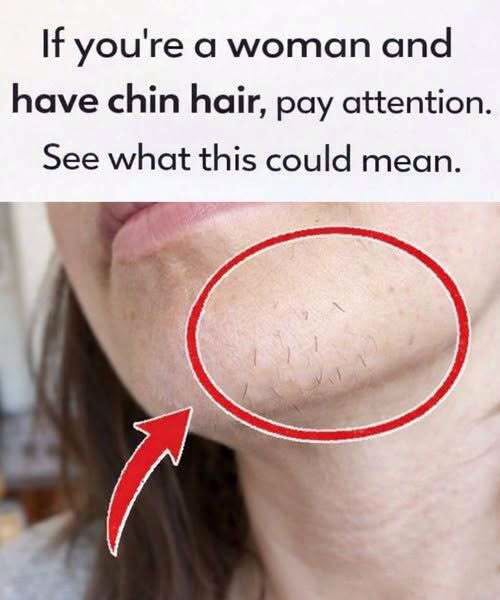
growth that every individual experiences. The hair growth cycle is a continuous, three-part process consisting of the anagen phase, where the hair is actively growing; the catagen phase, a transitional period; and the telogen phase, during which the follicle rests before shedding. When hair appears on the chin, it is usually because the follicles have been stimulated to enter the anagen phase more frequently or with greater intensity than usual. This process is primarily driven by androgens, a group of hormones that includes testosterone. While androgens are often associated with male physiology, they are naturally present in all women. When these levels fluctuate or when follicles become hypersensitive to them, the result is often the growth of terminal hairs, which are thicker and more pigmented than the fine vellus hair typically found on the face.
Hormonal shifts are perhaps the most significant drivers of changes in facial hair patterns. Conditions such as polycystic ovary syndrome (PCOS) are well-documented triggers, as they can cause a sustained elevation in androgen levels, leading to a condition known as hirsutism. Beyond medical conditions, life stages such as menopause bring about profound changes in hormonal balance. As estrogen levels decline, the relative influence of androgens may increase, which can lead to the sudden appearance of chin hair in women who previously had none. Additionally, certain medications, including some forms of birth control or hormone therapies, can inadvertently influence hair growth patterns, making it essential for individuals to monitor changes in their bodies with a sense of curiosity rather than alarm.
Genetics also play a foundational role in determining the density and distribution of body hair. If your mother or other female relatives have experienced chin hair growth, it is statistically more likely that you will as well. Furthermore, ethnicity is a significant factor. Women of Middle Eastern, Mediterranean, and South Asian descent are genetically predisposed to have more visible or denser facial hair compared to women of other ethnic backgrounds. This is not a health deficiency but rather a natural variation in human biology. Recognizing these genetic markers can help demystify the experience and shift the perspective from one of concern to one of understanding your unique physiological blueprint.
The psychological impact of chin hair is often underestimated. Because societal expectations place a high premium on specific aesthetic standards, many women report feelings of anxiety, embarrassment, or diminished self-esteem when they notice unwanted facial hair. This can lead to a cycle of obsessive grooming or social avoidance, as the fear of being “found out” creates unnecessary stress. It is important to remember that these feelings are often amplified by cultural pressures rather than any inherent flaw. Engaging in conversations about these experiences can help destigmatize the issue, reminding us that the presence of hair is a biological reality for millions of people worldwide.
When it comes to management, there is a wide array of options available, each with its own set of benefits and limitations. Common temporary methods include plucking, which is effective for stray hairs; waxing, which removes hair from the root over a larger area; and shaving, which is a quick, painless, but short-term solution. For those seeking more durable results, professional treatments like laser hair removal or electrolysis can target the follicles directly, often providing long-term reduction. Prescription medications may also be an option for those whose hair growth is tied to underlying hormonal imbalances, provided these are discussed with a qualified healthcare professional.
It is crucial to approach any sudden or severe change in hair growth with medical caution. While a few stray hairs are generally harmless, a rapid increase in density or the development of other symptoms—such as irregular menstrual cycles, voice changes, or sudden weight fluctuations—warrants a consultation with a doctor. These symptoms could indicate an underlying endocrine issue that requires targeted medical attention. By seeking professional guidance, you ensure that you are not only managing the cosmetic aspect but also addressing any potential health concerns that may be manifesting through these physical changes.
Ultimately, the decision to remove or embrace chin hair is a deeply personal one. There is no single “right” way to handle this aspect of your appearance. Whether you choose to incorporate grooming into your routine for personal comfort or decide to leave the hair as it is, the goal should be to make choices that support your confidence and well-being. By grounding your understanding in the science of hormones, genetics, and the hair growth cycle, you can navigate this common experience with clarity and dignity. Evidence-based observation confirms that chin hair is a natural biological phenomenon, and informed management remains the most effective path toward peace of mind and personal empowerment.
{"post":109385,"page":2,"next":[{"id":109382,"title":"The Resilient Journey of Lee Grant: From Hollywood Blacklist to Artistic Triumph and Longevity","url":"https:\/\/new24.info\/109382"},{"id":109376,"title":"Greedy Brothers Mocked My Borrowed Dress Until Miriam Locked Chapel Doors","url":"https:\/\/new24.info\/109376"},{"id":109372,"title":"Entitled Stranger Ruins My Grandmother\u2019s Ninetieth Birthday Cabana But Regrets It","url":"https:\/\/new24.info\/109372"},{"id":109367,"title":"My Brothers Fled Our Family Debt Until One Document Changed Everything","url":"https:\/\/new24.info\/109367"},{"id":109363,"title":"How A Father Destroyed His Arrogant Son-In-Law To Save His Daughter","url":"https:\/\/new24.info\/109363"},{"id":109359,"title":"How A Cruel Birthday Joke Cost My Father His Brand New Truck","url":"https:\/\/new24.info\/109359"},{"id":109355,"title":"My Daughter Disappeared at 17 \u2013 16 Years Later, I Saw the Bag I Knitted for Her on a Stranger\u0027s Shoulder","url":"https:\/\/new24.info\/109355"},{"id":109353,"title":"Understanding and Addressing Mysterious Yellow Streaks on Your Bathroom Walls","url":"https:\/\/new24.info\/109353"},{"id":109349,"title":"My husband came home with his secretary and newborn twins. His mother offered me $80 million to disappear. I quietly left one sealed envelope behind. Hours later, he opened it\u2014and instantly went pale with sh0ck.","url":"https:\/\/new24.info\/109349"},{"id":109346,"title":"I returned home two days early and found 20 of my mother\u2019s guests eating in my house while my wife and my 5-year-old daughter washed dishes with b.urned hands.","url":"https:\/\/new24.info\/109346"},{"id":109343,"title":"Moral My Best Friend Took My Autistic Son to the Same Diner Every Time She Visited \u2013 On His 18th Birthday, the Waitress Finally Told Me What They Had Really Been Doing There","url":"https:\/\/new24.info\/109343"},{"id":109341,"title":"Police Investigation Underway Following the Tragic Death of an Infant in Local Neighborhood","url":"https:\/\/new24.info\/109341"},{"id":109339,"title":"Reflecting on the Career and Enduring Television Legacy of Performer Christy Knowings","url":"https:\/\/new24.info\/109339"},{"id":109325,"title":"With heavy hearts, we announce the passing of this beloved actress who graced our TV screens for decades","url":"https:\/\/new24.info\/109325"},{"id":109328,"title":"The Enduring Utility and Design of the Manual Post Driver","url":"https:\/\/new24.info\/109328"},{"id":109323,"title":"The Long Shadow of a Stolen Winter: Uncovering the Truth Behind a Decades-Old Tragedy","url":"https:\/\/new24.info\/109323"},{"id":109320,"title":"From South African Trauma to Hollywood Stardom: The Resilient Journey of Charlize Theron","url":"https:\/\/new24.info\/109320"},{"id":109315,"title":"Mother Abandoned Our Three Blind Daughters But Graduation Day Changed Everything","url":"https:\/\/new24.info\/109315"},{"id":109311,"title":"Outraged Marine Father Destroys An Arrogant Gym Bully Without Striking Once","url":"https:\/\/new24.info\/109311"},{"id":109308,"title":"I Raised My Granddaughter After My Family Died in a Snowstorm Crash \u2013 Twenty Years Later, She Handed Me a Note That Changed Everything","url":"https:\/\/new24.info\/109308"}]}