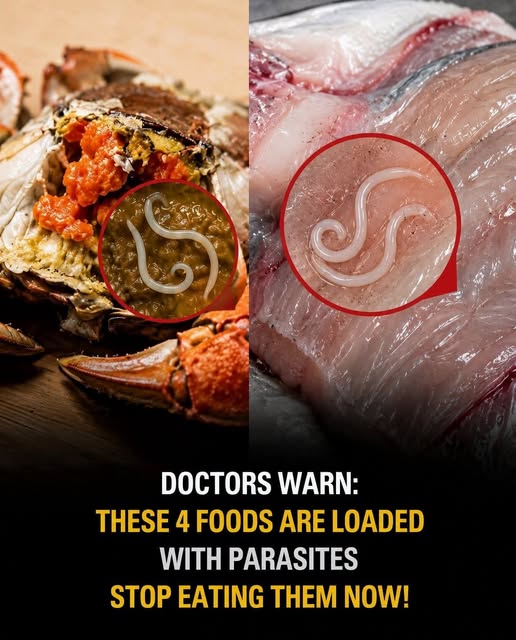
The reality is that most foodborne risks are easily mitigated through basic hygiene and proper thermal processing. When we talk about raw or undercooked fish, for instance, the primary concern involves specific freshwater and marine species that may harbor parasites. These organisms are effectively neutralized when the fish is subjected to thorough cooking or appropriate commercial freezing methods. These processes are designed to ensure that the internal temperature of the fish reaches a level sufficient to destroy potential pathogens, thereby making the final dish safe for consumption. It is not about avoiding seafood, but rather about ensuring that the preparation methods align with established safety standards that prioritize your well-being.
Similarly, undercooked pork has historically been a subject of attention regarding food safety. Modern agricultural practices and strict regulatory oversight have significantly reduced the prevalence of parasites in pork products, but the principle of thorough cooking remains a cornerstone of kitchen safety. By ensuring that pork is cooked to its recommended internal temperature, you create a reliable barrier against potential contamination. This simple, evidence-based habit is one of the most effective ways to protect yourself and your family. The goal is to view cooking temperatures not as a burdensome chore, but as a vital step in the culinary process that guarantees the safety of the protein you serve.
Fresh fruits and vegetables are essential components of a balanced diet, yet they can occasionally become contaminated through contact with soil, water, or handling during the distribution process. Because these foods are often consumed raw, the responsibility for safety shifts to the consumer. Rinsing produce thoroughly under clean, running water is a highly effective way to dislodge surface contaminants and debris. This mechanical action is a simple yet powerful tool in your food safety arsenal. While it may seem mundane, this consistent habit significantly lowers the likelihood of ingesting unwanted microorganisms that might be present on the outer layers of your fresh produce.
Raw or undercooked freshwater plants, such as certain aquatic greens, also require careful handling. These plants can sometimes be exposed to contaminated water sources or environments where infected animals are present. Consequently, the importance of proper cleaning and, where applicable, cooking cannot be overstated. Treating these items with the same level of care as you would any other raw ingredient ensures that you can enjoy their nutritional benefits without unnecessary concern. Understanding the origin of your food and applying appropriate preparation techniques are the hallmarks of a well-informed home cook who values both nutrition and safety.
Beyond specific food items, general hygiene practices serve as the foundation of a safe kitchen. Handwashing remains the single most important action you can take to prevent the spread of contaminants. By washing your hands thoroughly with soap and water before, during, and after food preparation, you create a primary defense against cross-contamination. Furthermore, keeping raw meat and seafood physically separated from ready-to-eat foods like salads or fruits prevents the transfer of pathogens. Utilizing separate cutting boards and utensils for different types of food is a practical strategy that keeps your preparation area organized and hygienic.
Cleaning kitchen surfaces regularly is another essential habit. Bacteria and parasites can persist on countertops, sinks, and equipment if they are not sanitized properly. A clean kitchen is a safe kitchen, and maintaining this standard does not require harsh chemicals; consistent cleaning with soap and water is generally sufficient for most household needs. Additionally, proper refrigeration of perishable goods is critical. Keeping your refrigerator at the correct temperature slows the growth of microorganisms, ensuring that your food remains fresh and safe for as long as possible. Promptly storing leftovers and avoiding the ‘danger zone’—the temperature range where bacteria multiply most rapidly—are simple yet effective ways to manage food quality.
It is worth noting that restaurants and food producers are also bound by strict safety procedures designed to mitigate these risks before the food even reaches your table. Regulatory bodies provide guidance that helps these establishments maintain high standards of hygiene and temperature control. When you combine these professional efforts with your own diligent practices at home, the risk of encountering a foodborne parasite becomes extremely low. The objective of food safety education is to empower you with knowledge, not to induce anxiety. By adopting these straightforward habits, you can continue to enjoy a diverse and healthy diet with confidence. Focus on the basics: cook thoroughly, wash produce well, maintain a clean kitchen, and separate your raw ingredients. These evidence-based practices are the most reliable way to ensure that your meals remain a source of health and enjoyment for you and your loved ones.
{"post":109116,"page":2,"next":[{"id":109114,"title":"Practical Food Safety Habits to Minimize Parasite Risks in Your Daily Diet","url":"https:\/\/new24.info\/109114"},{"id":109111,"title":"The Complex Legal and Ethical Debate Surrounding an Eighty-Six Year Prison Sentence for a Teenage Girl","url":"https:\/\/new24.info\/109111"},{"id":109108,"title":"The Enduring Mystery and Design Evolution of the Iconic Coca-Cola Script Logo","url":"https:\/\/new24.info\/109108"},{"id":109105,"title":"A Mother\u2019s Discovery: Uncovering the Hidden Trauma Behind Her Son\u2019s Mysterious Facial Injury","url":"https:\/\/new24.info\/109105"},{"id":109102,"title":"Why Your Brain Misses the Obvious: Lessons from the Hospital Clock Puzzle","url":"https:\/\/new24.info\/109102"},{"id":109099,"title":"The Essential Role of the Nail Punch in Modern Fine Woodworking and Home Repair","url":"https:\/\/new24.info\/109099"},{"id":109096,"title":"The Meaning Behind the Gold Porch Light: A Beacon of Hope for Childhood Cancer Awareness","url":"https:\/\/new24.info\/109096"},{"id":109093,"title":"The Nutritional Reality of Eggs: Separating Breakfast Myths from Scientific Evidence for Better Heart Health","url":"https:\/\/new24.info\/109093"},{"id":109089,"title":"A 31-Year-Old Bachelor Brought His Bedridden 76-Year-Old Neighbor Into His Home \u2013 And What He Whispered to Her Every Night Left the Whole Family Weeping","url":"https:\/\/new24.info\/109089"},{"id":109086,"title":"The Man Who Donated a Kidney to Me Proposed a Month Later, Claiming He Was Terminally Ill and Didn\u2019t Want to Pass Alone","url":"https:\/\/new24.info\/109086"},{"id":109083,"title":"After 8 Years Together, I Overheard My Boyfriend Tell His Best Friend That I Was \u0027Not Wife Material\u0027 \u2013 A Week Later, He Came Home to Something He Never Expected","url":"https:\/\/new24.info\/109083"},{"id":109080,"title":"After Four Daughters, My Husband Finally Got the Son He\u0027d Been Begging For \u2013 But When He Held Our Newborn Boy for the First Time, His Words Made My Stomach Drop","url":"https:\/\/new24.info\/109080"},{"id":109078,"title":"The Reliable Guide to Selecting the Perfect Sweet and Juicy Watermelon Every Time","url":"https:\/\/new24.info\/109078"},{"id":109074,"title":"My Newborn Daughter Looked Nothing Like Us \u2013 I Suspected My Wife Until Her Childhood Photo Exposed Our Marriage\u0027s Biggest Lie","url":"https:\/\/new24.info\/109074"},{"id":109069,"title":"The world is mourning the loss of a beloved, multi-talented actor who has died at 94","url":"https:\/\/new24.info\/109069"},{"id":109064,"title":"Shocking Scheme To Steal My Inherited Victorian House Ended In Disaster","url":"https:\/\/new24.info\/109064"},{"id":109061,"title":"Parents Destroyed My Wedding Dresses So I Created An Unforgettable Ceremony","url":"https:\/\/new24.info\/109061"},{"id":109057,"title":"Wife Discovers Ultimate Betrayal And Reclaims Her Fortune At Charity Gala","url":"https:\/\/new24.info\/109057"},{"id":109054,"title":"Former Husband Bragged About His New Baby Before Losing Absolutely Everything","url":"https:\/\/new24.info\/109054"},{"id":109050,"title":"Unforgivable Greed Made My Sister Shatter Our Family Over An Inheritance","url":"https:\/\/new24.info\/109050"}]}