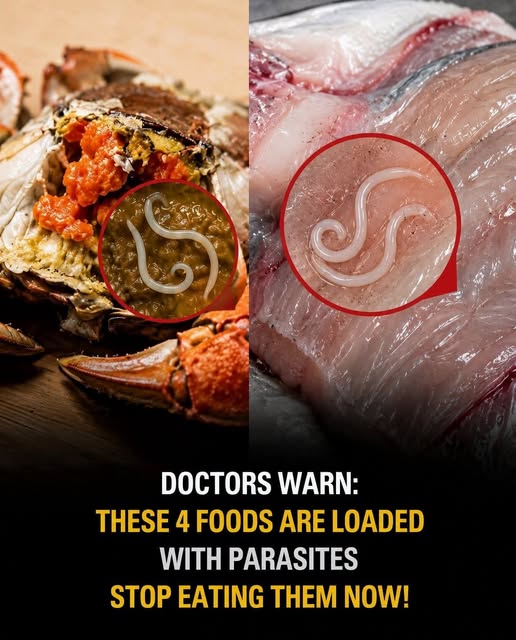
and your dinner table. The primary goal of food safety is not avoidance, but rather the implementation of reliable practices that neutralize potential threats before they reach your plate. Four categories of food frequently discussed in this context include raw or undercooked fish, undercooked pork, fresh fruits and vegetables, and raw or undercooked freshwater plants. Each of these items requires specific attention during the handling and cooking phases to ensure that any potential contaminants are rendered harmless, allowing you to enjoy a diverse and balanced diet with confidence.
Raw or undercooked fish, including both freshwater and certain marine species, is a common focus of safety discussions. Parasites can sometimes be present in the tissues of fish, particularly if they originate from waters where specific life cycles are prevalent. However, the risk associated with consuming fish is significantly mitigated through proper handling. Commercial freezing processes, which reach temperatures low enough to destroy parasites, are a standard industry practice. When preparing fish at home, ensuring that it is cooked to the appropriate internal temperature is the most effective way to guarantee safety. By following recommended culinary guidelines, you can enjoy the nutritional benefits of seafood while maintaining a high standard of hygiene.
Undercooked pork is another area where modern food safety standards have made a profound difference. Historically, concerns regarding parasites in pork were more prevalent, but today, improved farming practices and rigorous inspection protocols have drastically reduced these instances. Nevertheless, the principle of thorough cooking remains essential. Using a reliable food thermometer to verify that pork has reached a safe internal temperature ensures that any potential pathogens are eliminated. This simple, evidence-based step is far more effective than relying on visual cues, such as the color of the meat, which can be misleading.
Fresh fruits and vegetables, while vital for a healthy lifestyle, can occasionally carry contaminants picked up from soil, water, or handling during the distribution process. Because these items are often consumed raw, the responsibility for safety shifts to the consumer. Thoroughly washing produce under clean, running water is a critical step in removing surface-level dirt and potential contaminants. For firmer produce, using a clean brush can further enhance the effectiveness of this process. By integrating this habit into your routine, you significantly lower the likelihood of encountering unwanted organisms, making your fresh produce safer and more enjoyable.
Raw or undercooked freshwater plants, such as certain aquatic greens or vegetables, also require careful attention. These plants can sometimes become contaminated in environments where infected animals or compromised water sources are present. As with other food groups, the solution is not to eliminate these plants, but to ensure they are properly cleaned and, where appropriate, cooked. Boiling or steaming these plants effectively eliminates many risks, providing peace of mind alongside the health benefits of including diverse plant-based foods in your diet.
Beyond the specific preparation of these four categories, general kitchen hygiene serves as your first line of defense against foodborne illness. Washing your hands thoroughly with soap and water before and after handling food is perhaps the most important habit you can adopt. Furthermore, preventing cross-contamination is essential. Keep raw meat, poultry, and seafood separate from ready-to-eat foods like salads or fruits. Using dedicated cutting boards and cleaning all kitchen surfaces with hot, soapy water after preparing raw ingredients will prevent the transfer of any potential contaminants.
Refrigeration also plays a pivotal role in maintaining food safety. Perishable items should be stored at appropriate temperatures to inhibit the growth of bacteria and other microorganisms. Promptly refrigerating leftovers and ensuring that your refrigerator is set to the correct temperature are small, manageable tasks that yield significant safety benefits. By maintaining a clean, organized kitchen environment, you create a buffer that protects your household from the risks of foodborne illness.
Ultimately, the presence of parasites in food is relatively uncommon when standard food safety practices are consistently followed. The risk is not inherent to the food itself, but rather a factor of how that food is sourced, stored, and prepared. Restaurants and food producers are also held to strict safety standards, which further protects the food supply. You do not need to fear your meals or eliminate your favorite ingredients. Instead, focus on the evidence-based habits that empower you to manage these risks effectively. By combining proper cooking temperatures, thorough washing of produce, and diligent kitchen hygiene, you can continue to enjoy a wide variety of foods while prioritizing your long-term health and well-being. These simple, proactive measures are the foundation of a safe and sustainable approach to nutrition.
{"post":109114,"page":2,"next":[{"id":109111,"title":"The Complex Legal and Ethical Debate Surrounding an Eighty-Six Year Prison Sentence for a Teenage Girl","url":"https:\/\/new24.info\/109111"},{"id":109108,"title":"The Enduring Mystery and Design Evolution of the Iconic Coca-Cola Script Logo","url":"https:\/\/new24.info\/109108"},{"id":109105,"title":"A Mother\u2019s Discovery: Uncovering the Hidden Trauma Behind Her Son\u2019s Mysterious Facial Injury","url":"https:\/\/new24.info\/109105"},{"id":109102,"title":"Why Your Brain Misses the Obvious: Lessons from the Hospital Clock Puzzle","url":"https:\/\/new24.info\/109102"},{"id":109099,"title":"The Essential Role of the Nail Punch in Modern Fine Woodworking and Home Repair","url":"https:\/\/new24.info\/109099"},{"id":109096,"title":"The Meaning Behind the Gold Porch Light: A Beacon of Hope for Childhood Cancer Awareness","url":"https:\/\/new24.info\/109096"},{"id":109093,"title":"The Nutritional Reality of Eggs: Separating Breakfast Myths from Scientific Evidence for Better Heart Health","url":"https:\/\/new24.info\/109093"},{"id":109089,"title":"A 31-Year-Old Bachelor Brought His Bedridden 76-Year-Old Neighbor Into His Home \u2013 And What He Whispered to Her Every Night Left the Whole Family Weeping","url":"https:\/\/new24.info\/109089"},{"id":109086,"title":"The Man Who Donated a Kidney to Me Proposed a Month Later, Claiming He Was Terminally Ill and Didn\u2019t Want to Pass Alone","url":"https:\/\/new24.info\/109086"},{"id":109083,"title":"After 8 Years Together, I Overheard My Boyfriend Tell His Best Friend That I Was \u0027Not Wife Material\u0027 \u2013 A Week Later, He Came Home to Something He Never Expected","url":"https:\/\/new24.info\/109083"},{"id":109080,"title":"After Four Daughters, My Husband Finally Got the Son He\u0027d Been Begging For \u2013 But When He Held Our Newborn Boy for the First Time, His Words Made My Stomach Drop","url":"https:\/\/new24.info\/109080"},{"id":109078,"title":"The Reliable Guide to Selecting the Perfect Sweet and Juicy Watermelon Every Time","url":"https:\/\/new24.info\/109078"},{"id":109074,"title":"My Newborn Daughter Looked Nothing Like Us \u2013 I Suspected My Wife Until Her Childhood Photo Exposed Our Marriage\u0027s Biggest Lie","url":"https:\/\/new24.info\/109074"},{"id":109069,"title":"The world is mourning the loss of a beloved, multi-talented actor who has died at 94","url":"https:\/\/new24.info\/109069"},{"id":109064,"title":"Shocking Scheme To Steal My Inherited Victorian House Ended In Disaster","url":"https:\/\/new24.info\/109064"},{"id":109061,"title":"Parents Destroyed My Wedding Dresses So I Created An Unforgettable Ceremony","url":"https:\/\/new24.info\/109061"},{"id":109057,"title":"Wife Discovers Ultimate Betrayal And Reclaims Her Fortune At Charity Gala","url":"https:\/\/new24.info\/109057"},{"id":109054,"title":"Former Husband Bragged About His New Baby Before Losing Absolutely Everything","url":"https:\/\/new24.info\/109054"},{"id":109050,"title":"Unforgivable Greed Made My Sister Shatter Our Family Over An Inheritance","url":"https:\/\/new24.info\/109050"},{"id":109047,"title":"Cruel Brother Takes DNA Test To Insult Me But Exposes Himself","url":"https:\/\/new24.info\/109047"}]}