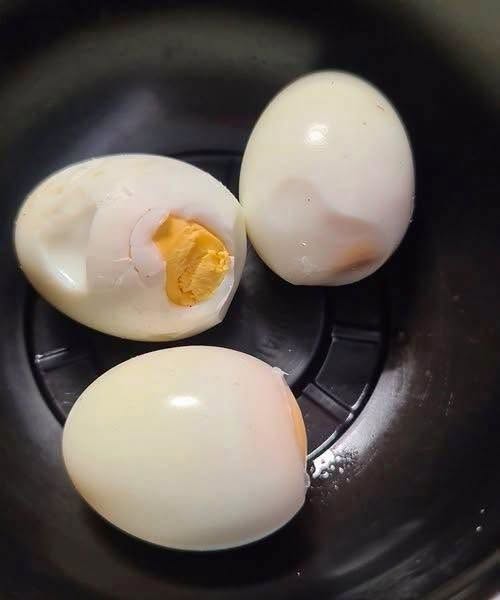
instead, it is a multifaceted interaction between your unique metabolic profile, your overall dietary patterns, and the specific ways you prepare your meals. Eggs are widely recognized by nutritionists as a powerhouse of essential nutrients, offering high-quality protein that supports muscle maintenance and repair. Beyond protein, they provide a dense concentration of vitamins, minerals, and healthy fats that are vital for daily functioning. One of the most significant components found in eggs is choline, a nutrient that plays a critical role in brain health and cellular structure, yet remains under-consumed by many people in the modern diet. When you consume an egg, you are not merely ingesting cholesterol; you are accessing a complex package of micronutrients that work synergistically to support your body’s physiological needs.
The historical apprehension surrounding eggs stems largely from their cholesterol content. For years, the prevailing medical advice suggested that dietary cholesterol was a primary driver of elevated blood cholesterol levels. However, modern nutritional science has significantly evolved. We now understand that for the vast majority of the population, dietary cholesterol has a relatively modest impact on blood cholesterol levels. This is because the human liver is highly efficient at regulating cholesterol production; when you consume more cholesterol through your diet, your liver typically compensates by producing less. Consequently, for many individuals, the cholesterol found in eggs does not translate into a direct increase in the type of blood cholesterol that poses a risk to cardiovascular health.
It is crucial to distinguish between dietary cholesterol and the types of fats that truly influence heart health. Extensive research indicates that saturated and trans fats have a much more profound and detrimental impact on low-density lipoprotein (LDL) cholesterol levels than the cholesterol found in eggs. When evaluating the healthfulness of a meal, focusing solely on the egg is a reductive approach that ignores the broader context of your plate. The fats you choose to cook with, the side dishes you select, and the overall composition of your daily intake are far more predictive of your long-term health outcomes than the occasional inclusion of an egg in your morning routine.
Beyond the cholesterol discussion, eggs offer a distinct advantage regarding satiety. Because they are rich in protein and healthy fats, eggs can help you feel full for a longer duration compared to carbohydrate-heavy breakfasts. This increased satiety is a powerful tool for weight management, as it can help regulate appetite throughout the morning and prevent the mid-morning energy crashes often associated with sugary or refined grain-based meals. By providing a steady release of energy, eggs can help stabilize blood glucose levels, making them a practical choice for those looking to maintain consistent energy throughout their busy workdays.
The true value of an egg-based breakfast is amplified by what you choose to pair with it. A plate featuring a poached or scrambled egg alongside a colorful array of sautéed vegetables, a serving of fiber-rich whole grains, or a side of fresh fruit creates a balanced meal that provides a wide spectrum of essential nutrients. Conversely, the health benefits of an egg can be overshadowed if it is consistently paired with heavily processed meats like bacon or sausage, which are often high in sodium, nitrates, and saturated fats. The goal should be to view the egg as a versatile component of a nutrient-dense meal rather than an isolated variable.
It is important to acknowledge that individual responses to dietary cholesterol can vary significantly. While the average person may see little impact on their blood lipid profile from regular egg consumption, a subset of the population known as hyper-responders may experience a more significant shift in their cholesterol levels. Furthermore, individuals living with specific health conditions, such as type 2 diabetes, established heart disease, or familial hypercholesterolemia, should approach their dietary choices with a higher degree of caution. For these individuals, the advice is not necessarily to eliminate eggs entirely, but rather to engage in a thoughtful discussion with a healthcare provider or a registered dietitian to determine a consumption level that aligns with their specific medical needs.
Ultimately, the narrative that eggs are inherently harmful is not supported by current scientific evidence. When consumed as part of a varied and balanced diet that emphasizes whole, unprocessed foods, eggs can be a valuable and convenient source of nutrition. The focus should shift away from fear-based avoidance and toward mindful consumption. By paying attention to portion sizes, prioritizing healthy cooking methods—such as poaching or boiling rather than frying in excessive butter—and considering the overall quality of your diet, you can enjoy the benefits of eggs without compromising your health. Evidence-based nutrition encourages us to look at the totality of our dietary habits rather than fixating on single foods, ensuring that our choices support long-term wellness through a balanced and informed approach.
{"post":109093,"page":2,"next":[{"id":109089,"title":"A 31-Year-Old Bachelor Brought His Bedridden 76-Year-Old Neighbor Into His Home \u2013 And What He Whispered to Her Every Night Left the Whole Family Weeping","url":"https:\/\/new24.info\/109089"},{"id":109086,"title":"The Man Who Donated a Kidney to Me Proposed a Month Later, Claiming He Was Terminally Ill and Didn\u2019t Want to Pass Alone","url":"https:\/\/new24.info\/109086"},{"id":109083,"title":"After 8 Years Together, I Overheard My Boyfriend Tell His Best Friend That I Was \u0027Not Wife Material\u0027 \u2013 A Week Later, He Came Home to Something He Never Expected","url":"https:\/\/new24.info\/109083"},{"id":109080,"title":"After Four Daughters, My Husband Finally Got the Son He\u0027d Been Begging For \u2013 But When He Held Our Newborn Boy for the First Time, His Words Made My Stomach Drop","url":"https:\/\/new24.info\/109080"},{"id":109078,"title":"The Reliable Guide to Selecting the Perfect Sweet and Juicy Watermelon Every Time","url":"https:\/\/new24.info\/109078"},{"id":109074,"title":"My Newborn Daughter Looked Nothing Like Us \u2013 I Suspected My Wife Until Her Childhood Photo Exposed Our Marriage\u0027s Biggest Lie","url":"https:\/\/new24.info\/109074"},{"id":109069,"title":"The world is mourning the loss of a beloved, multi-talented actor who has died at 94","url":"https:\/\/new24.info\/109069"},{"id":109064,"title":"Shocking Scheme To Steal My Inherited Victorian House Ended In Disaster","url":"https:\/\/new24.info\/109064"},{"id":109061,"title":"Parents Destroyed My Wedding Dresses So I Created An Unforgettable Ceremony","url":"https:\/\/new24.info\/109061"},{"id":109057,"title":"Wife Discovers Ultimate Betrayal And Reclaims Her Fortune At Charity Gala","url":"https:\/\/new24.info\/109057"},{"id":109054,"title":"Former Husband Bragged About His New Baby Before Losing Absolutely Everything","url":"https:\/\/new24.info\/109054"},{"id":109050,"title":"Unforgivable Greed Made My Sister Shatter Our Family Over An Inheritance","url":"https:\/\/new24.info\/109050"},{"id":109047,"title":"Cruel Brother Takes DNA Test To Insult Me But Exposes Himself","url":"https:\/\/new24.info\/109047"},{"id":109043,"title":"The Old Shawl My Mother Left Me Held a Secret No One Expected","url":"https:\/\/new24.info\/109043"},{"id":109040,"title":"The Subtle Messages Hidden in a Woman\u2019s Legs","url":"https:\/\/new24.info\/109040"},{"id":109036,"title":"Paris Jackson and the Reality of Personal Expression Through Minimalist Ink and Artistic Independence","url":"https:\/\/new24.info\/109036"},{"id":109037,"title":"Paris Jackson and the Reality of Personal Symbolism: Beyond the Myths of Black Band Tattoos","url":"https:\/\/new24.info\/109037"},{"id":109032,"title":"Tragic On-Ice Collision Claims Life of 15-Year-Old Figure Skater, Prompting Safety Discussions","url":"https:\/\/new24.info\/109032"},{"id":109029,"title":"The Complex Life of Redmond O\u0027Neal: Navigating Personal Struggles and the Legacy of His Parents","url":"https:\/\/new24.info\/109029"},{"id":109025,"title":"I Found My Missing Daughter\u2019s Earrings at a Flea Market \u2013 The Next Morning, an Officer Came to My Door and Said One Sentence That Nearly Knocked Me to the Floor","url":"https:\/\/new24.info\/109025"}]}