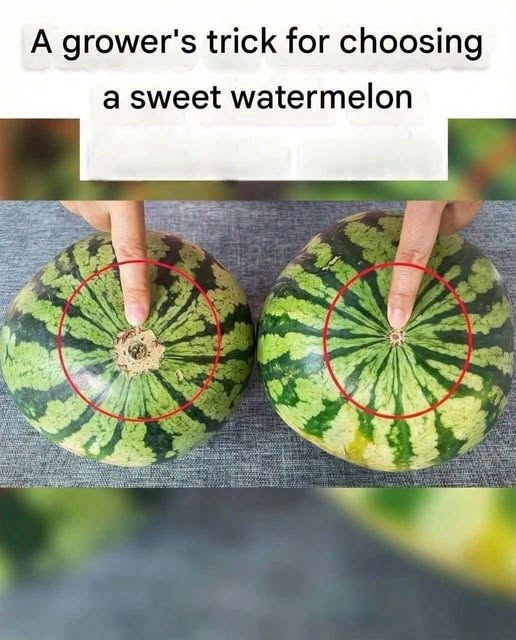
consistently delicious. The process begins by examining the field spot, which is the area where the melon rested against the earth while it developed in the patch. A pale or white patch often suggests the fruit was harvested too early, whereas a deep, creamy yellow or vibrant golden hue serves as a reliable indicator that the melon spent adequate time ripening on the vine. This simple visual check is one of the most effective starting points for any shopper.
Beyond the field spot, the condition of the rind offers significant clues regarding the internal quality of the fruit. A high-quality watermelon should feel firm to the touch across its entire surface. You should carefully inspect the exterior for any signs of deep bruises, significant cracks, or soft spots, as these can indicate damage or over-ripening. Additionally, look for webbed, rough markings on the skin. While these may look like imperfections, they are often a positive sign of the pollination process, suggesting that the fruit has developed the concentrated sugars that make for a superior eating experience. These markings are frequently associated with the bees that visited the blossoms, and a more pronounced webbed pattern often correlates with a sweeter, more flavorful fruit.
Weight is another essential factor to consider when evaluating your options. When you are standing in the produce aisle, try picking up several melons of similar dimensions to compare their heft. A watermelon that feels surprisingly heavy for its size is generally a better choice, as this indicates a high water content. A dense, heavy melon is typically much juicier and fresher than a lighter one, which may have begun to lose its moisture. This physical sensation of weight is a powerful, tactile way to assess the quality of the fruit before you even reach the checkout counter.
If the stem is still attached, it provides a final, valuable piece of information. A dry, brownish stem is a strong indicator that the melon reached full maturity before it was harvested. Conversely, a stem that remains bright green or appears very fresh can sometimes suggest that the fruit was picked prematurely, meaning it may not have developed its full potential for sweetness. While no single indicator acts as a perfect guarantee, the most successful approach is to synthesize these various signs rather than relying on a single trick. By combining the presence of a golden field spot, a firm rind, webbed markings, substantial weight, and a dried stem, you create a comprehensive profile that points toward a high-quality selection.
Once you have successfully selected your melon, preparation is key to maximizing its enjoyment. While a simple slice of cold watermelon is a classic treat, you can enhance the experience by chilling the fruit thoroughly in your refrigerator before serving. The cool temperature highlights the crisp texture and natural sweetness, making it an ideal refreshment for hot summer days. If you are looking for more creative ways to serve your selection, consider incorporating the cubes into a variety of culinary preparations. The fruit pairs beautifully with savory ingredients; for instance, you might try mixing chunks of melon with avocado, a squeeze of fresh lime juice, a handful of chopped mint, and a pinch of chili powder for a sophisticated, tangy salad that balances sweet and spicy notes.
For a more substantial side dish suitable for picnics or family gatherings, you can combine watermelon cubes with crumbled feta or goat cheese and a light vinaigrette. The saltiness of the cheese provides a perfect contrast to the natural sugars of the fruit. Whether you serve it in a salad, as a chilled snack, or as a refreshing addition to a meal, the effort you put into selecting a high-quality melon will be immediately evident in the flavor. By paying close attention to these physical indicators, you move away from the uncertainty of random selection and toward a more informed, rewarding shopping experience. With these practical techniques, you can confidently navigate the produce aisle and consistently enjoy the best that the season has to offer, turning every purchase into a successful and satisfying culinary outcome. Always remember that the combination of these traits is the most reliable way to ensure you are bringing home the very best fruit available.