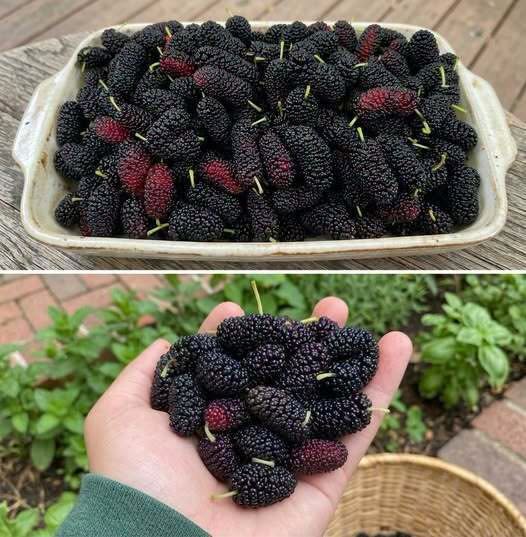
These compounds, known as anthocyanins, serve as the primary pigment responsible for the fruit’s deep, rich hue. Beyond their aesthetic appeal, anthocyanins function as potent antioxidants, which are essential for neutralizing unstable molecules known as free radicals that can contribute to oxidative stress throughout the body. Because the delicate tissues of the eyes are particularly susceptible to this type of cellular damage, researchers have frequently investigated whether the regular consumption of bilberries might help maintain ocular health and support visual function as we age.
The potential for these berries to influence cardiovascular health is another area of ongoing interest. By promoting healthy circulation and supporting the integrity of blood vessels, the antioxidants found in bilberries may play a helpful role in maintaining normal blood pressure levels. It is important to emphasize, however, that while these nutrients are beneficial, they are not a substitute for professional medical guidance. Any dietary changes intended to manage blood pressure should be discussed with a healthcare provider to ensure they align with your specific needs.
Incorporating bilberries into a daily routine can be a simple and enjoyable way to introduce more nutrient-dense foods into your diet. They are versatile, appearing in various forms such as fresh berries, dried snacks, or concentrated supplements. When selecting these products, it is wise to consider the quality and source of the fruit. While supplements can provide a concentrated dose of anthocyanins, many nutritionists argue that consuming the whole fruit offers a more complete spectrum of fiber, vitamins, and minerals that work synergistically to support overall physiological function.
Despite their potential advantages, it is crucial to maintain a realistic perspective regarding what any single food can achieve. No fruit, regardless of its nutritional density, can act as a replacement for a balanced diet, regular physical activity, or prescribed medical treatments. The bilberry is best viewed as a supportive component of a broader lifestyle strategy. Relying on a varied intake of fruits and vegetables ensures that the body receives a wide array of protective compounds, rather than focusing exclusively on one source.
Furthermore, the history of the bilberry reflects its long-standing place in traditional diets, where it was valued for both its culinary uses and its perceived health benefits. Today, we have the advantage of scientific inquiry to help us better understand these historical claims. While current evidence is promising, it is also limited in scope. Much of the research regarding the specific impacts of bilberries on human physiology is still evolving, meaning that while the data is encouraging, it does not yet support claims of curative properties or definitive medical outcomes.
When considering the addition of bilberry supplements to your regimen, always prioritize transparency and safety. Supplements are not regulated with the same rigor as pharmaceutical drugs, and their efficacy can vary significantly between brands. If you are currently managing a chronic condition or taking medication, consulting with a physician is the most responsible course of action. This ensures that any new addition to your diet does not interfere with your existing treatment plan or cause unintended interactions with your current health protocols.
Ultimately, the story of the bilberry serves as a reminder of the complex relationship between nature and human health. While these berries are certainly a nutritious addition to a healthy lifestyle, they should be enjoyed for their flavor and their general health-promoting properties rather than as a quick fix for specific ailments. By maintaining a balanced perspective, you can appreciate the bilberry for what it is: a small, nutrient-rich fruit that fits perfectly into a well-rounded approach to wellness. It is a testament to nature’s bounty that such small berries can provide such significant nutritional value to our daily lives.
In conclusion, while the bilberry offers a concentrated source of beneficial anthocyanins that may support eye health and contribute to blood pressure regulation, it is fundamentally a dietary supplement rather than a medical treatment. The most effective way to utilize this fruit is as part of a diverse and balanced diet, complemented by healthy habits and professional medical oversight. Evidence suggests that while these berries can be a valuable tool for supporting health, they are not a replacement for medical care.
{"post":108929,"page":2,"next":[{"id":108926,"title":"What a Landmark Swedish Study Reveals About the Biological Markers of Exceptional Longevity","url":"https:\/\/new24.info\/108926"},{"id":108923,"title":"The Blue Enigma: Finding Wonder in the Quiet Corners of the Natural World","url":"https:\/\/new24.info\/108923"},{"id":108920,"title":"A Deleted Classroom Photo Reveals the Hidden Exhaustion Behind a Young Student\u0027s Perfect Facade","url":"https:\/\/new24.info\/108920"},{"id":108915,"title":"I Kept My Prom Dress for 55 Years Waiting for My High School Love Who Went to Vietnam \u2013 When We Finally Married, His First Night Confession Changed Everything","url":"https:\/\/new24.info\/108915"},{"id":108909,"title":"They Handcuffed Her and Thought They Had Won\u2014Then One Officer Reached Into Her Pocket and Froze","url":"https:\/\/new24.info\/108909"},{"id":108910,"title":"My Husband Kicked Our 18-Year-Old Daughter Out While I Was Out of Town \u2013 One Year Later, She Returned Holding a Newborn and Said One Sentence That Made Me Pale","url":"https:\/\/new24.info\/108910"},{"id":108902,"title":"An entitled guy stole my 92-year-old grandfather\u2019s football seats, claiming he wouldn\u2019t remember the game anyway\u2014until karma caught up with him just five minutes later","url":"https:\/\/new24.info\/108902"},{"id":108903,"title":"Astonishing Family Secrets Revealed During An Unexpected Luxury Boutique Encounter","url":"https:\/\/new24.info\/108903"},{"id":108899,"title":"My Grandmother Left Me The House No One Wanted, And A Locked Box Inside The Wall","url":"https:\/\/new24.info\/108899"},{"id":108897,"title":"Understanding Why Your Pizza Cheese Develops Bubbles During the Baking Process","url":"https:\/\/new24.info\/108897"},{"id":108891,"title":"Shocking Gender Reveal Party Exposed A Secret Betrayal By My Partner","url":"https:\/\/new24.info\/108891"},{"id":108887,"title":"Sudden Caregiver Discovers Secret Bank Code That Exposes Hidden Family Wealth","url":"https:\/\/new24.info\/108887"},{"id":108884,"title":"Bringing My Abandoned Quadruplets To Christmas Exposed Deep Reynolds Family Secrets","url":"https:\/\/new24.info\/108884"},{"id":108880,"title":"Heartbroken Bride Left At Altar Discovers Shocking Secret With Widowed Farmer","url":"https:\/\/new24.info\/108880"},{"id":108872,"title":"We Drained Our Family Pool for the First Time in 24 Years\u2014Under the Tiles Was the Name of My Daughter Who \u201cDied\u201d at Birth","url":"https:\/\/new24.info\/108872"},{"id":108874,"title":"Hidden Family Will Revealed At Graduation Completely Flipped Our Wealthy Dynasty","url":"https:\/\/new24.info\/108874"},{"id":108869,"title":"My Neighbor Filled My Pool With Concrete Because My Kids Were \u0027Too Loud\u0027 \u2013 She Never Expected What Happened Next","url":"https:\/\/new24.info\/108869"},{"id":108865,"title":"Early in the morning, I went outside to get some fresh air and found this w...","url":"https:\/\/new24.info\/108865"},{"id":108862,"title":"I Got a Breast Reduction After Years of Pain \u2013 When I Came Home, My Husband Gave Me an Ultimatum","url":"https:\/\/new24.info\/108862"},{"id":108854,"title":"This natural and effective remedy for relieving constipation","url":"https:\/\/new24.info\/108854"}]}