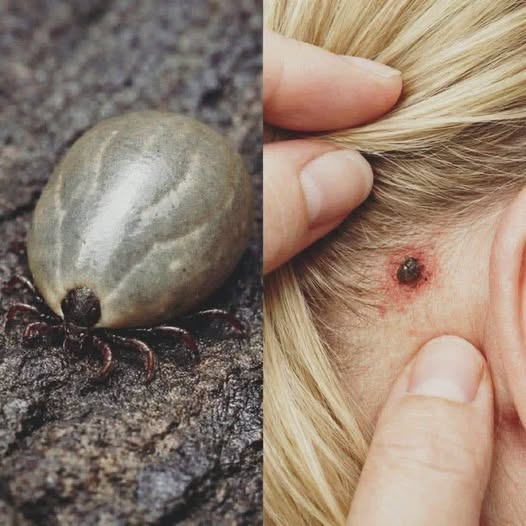
urgency required to address the issue effectively. It is critical to recognize that some online sources provide content regarding food-borne parasites that has absolutely no relevance to insects found on the human scalp. While articles may discuss the risks associated with consuming undercooked seafood, freshwater crabs, or contaminated aquatic vegetables, these topics are unrelated to the common insects that reside in human hair. Confusing these distinct categories can lead to unnecessary alarm or, conversely, a failure to address a common nuisance like head lice.
Head lice, or Pediculus humanus capitis, are the most frequent cause of insects found in a child’s hair. These small, wingless insects are specifically adapted to live on the human scalp, where they feed on blood. They are typically transmitted through direct head-to-head contact rather than through dietary choices or environmental contamination in the way that food-borne parasites are contracted. When a parent finds a bug in their child’s hair, the first step should always be to consult with a healthcare professional or a school nurse who can provide an accurate identification. Misidentifying a harmless garden insect or a common louse as a dangerous parasite can cause significant and unwarranted stress for a family.
The distinction between hair-dwelling insects and internal parasites is profound. Parasites like lung flukes or intestinal worms, which are sometimes discussed in sensationalized health articles, are transmitted through the ingestion of contaminated food or water. They inhabit internal organs, muscles, or the digestive tract. In contrast, lice remain on the surface of the skin and hair. They do not migrate into the body’s tissues, nor do they cause the systemic internal infections associated with the consumption of raw or undercooked aquatic life. Understanding this biological boundary is essential for maintaining a calm and rational approach to your child’s health.
If you suspect your child has head lice, look for common indicators such as persistent itching, the sensation of something moving on the scalp, or the presence of small, oval-shaped eggs known as nits attached firmly to the hair shafts near the scalp. Unlike dandruff, which can be easily brushed away, nits are glued to the hair and require specialized fine-toothed combs for removal. If you are unsure, avoid applying harsh chemical treatments immediately. Instead, use a magnifying glass and a bright light to examine the scalp, or seek a professional assessment. Many pharmacies offer over-the-counter diagnostic tools and treatments that are specifically formulated for lice, but these should only be used once a confirmed identification has been made.
Maintaining general hygiene is a sensible practice, but it is important to remember that lice infestations are not a reflection of a child’s cleanliness or a family’s household standards. Lice are opportunistic and can affect anyone regardless of their hygiene habits. Encouraging children to avoid sharing personal items like hats, brushes, hair accessories, or helmets can help reduce the risk of transmission in school or play settings. These basic precautions are far more effective at preventing lice than worrying about the unrelated risks of food-borne pathogens found in improperly prepared meals.
When you encounter health information online, always evaluate the source’s relevance to your specific concern. If an article discusses the dangers of raw frog legs or contaminated watercress, it is not a reliable guide for managing a bug found in your child’s hair. Such content is often algorithmically generated or poorly curated, leading to a mismatch between the reader’s question and the provided answer. Relying on reputable medical websites, pediatricians, or local health department guidelines ensures that the advice you receive is medically accurate, evidence-based, and appropriate for the situation at hand.
In summary, the presence of an insect in a child’s hair is almost always a localized dermatological issue rather than a systemic medical emergency. By focusing on accurate identification and consulting with qualified professionals, parents can navigate these situations with confidence. It is vital to dismiss irrelevant information about internal parasites and focus on the practical, proven methods for managing common hair-dwelling insects. Keeping a calm perspective and seeking verified information remains the most effective strategy for ensuring your child’s well-being and peace of mind. Evidence-based practice dictates that we treat the condition we see, not the unrelated fears presented by misleading or misplaced information found in generic online content.