
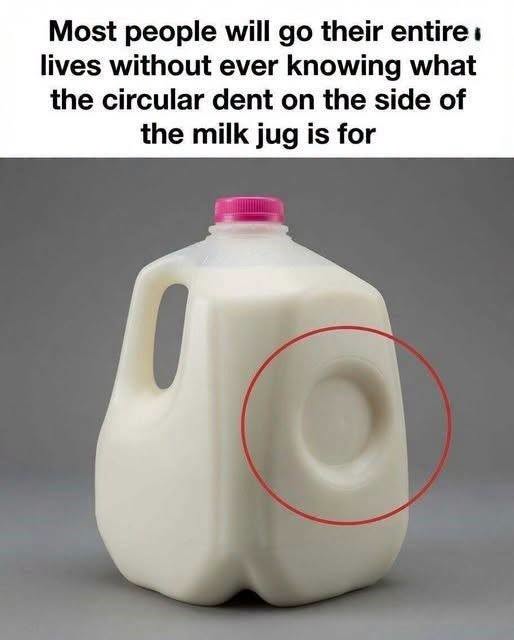
the cooling and freezing processes. When milk is bottled at a dairy facility, it is often processed while the liquid is still warm or at room temperature. As the product travels through the supply chain and eventually settles into your home refrigerator, the milk cools down significantly. Liquids naturally contract when they lose heat, but the more critical issue arises if that milk is ever subjected to freezing temperatures, either in a home freezer or during extreme winter transit.
When milk freezes, it expands in volume, exerting immense outward pressure against the rigid walls of the plastic container. Without a designated area to absorb this force, the jug would likely rupture, crack, or bulge uncontrollably, leading to messy spills and potential contamination. The indentation acts as a flexible relief valve, allowing the plastic to pop outward as the internal pressure increases, thereby maintaining the integrity of the seal and the overall structure of the container itself.
This simple, concave design is a testament to the intersection of material science and practical logistics, ensuring that the dairy industry can transport volatile liquids safely across varying climates without the need for thicker, more expensive, or less environmentally friendly packaging materials. Beyond the freezing aspect, the indentation also serves a secondary, ergonomic purpose. It provides a natural grip point for the consumer, making it easier to handle the heavy, slippery jug when pouring milk into a glass.
By combining structural durability with user-friendly design, manufacturers have created a container that is both resilient under stress and easy to maneuver in a busy kitchen environment. The depth and placement of these dents are calculated precisely to balance the structural requirements of the high-density polyethylene plastic used in most milk jugs. If the plastic were too rigid, it would shatter under pressure; if it were too soft, it would fail to protect the contents during shipping.
The indentation provides the necessary give, effectively turning a potential point of failure into a robust safety feature that protects the product from the moment it leaves the bottling line until it is poured into your bowl. Understanding this design choice highlights how even the most mundane household objects are often the result of sophisticated engineering intended to solve everyday challenges. The next time you notice that small, circular depression on the side of your jug, appreciate the foresight involved in its creation.
It is a deliberate, functional element that prevents waste and ensures your milk remains safely contained, regardless of the temperature fluctuations it might face during transit or storage. This engineering is particularly vital for the long-term stability of the container, as it accounts for the inevitable expansion of fluids. For the practical consumer, this knowledge offers a helpful tip: if you ever need to freeze milk for later use, make sure to leave a small amount of headspace at the top of the container. While the indentation provides essential flexibility, it cannot compensate for an entirely full jug, as the liquid will still require room to expand safely. By respecting the physical limits of the container and utilizing the built-in relief features, you can successfully store dairy products without the risk of a frozen, messy disaster in your freezer. Always check the jug for signs of stress or damage before placing it in the freezer, and remember that this design is your primary defense against leaks.