
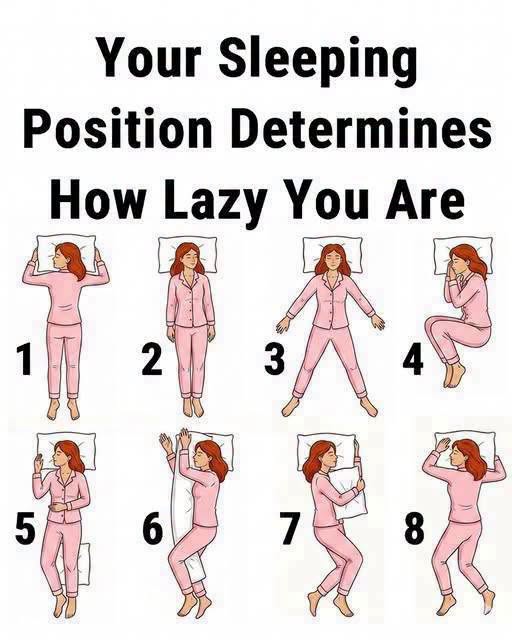
these whimsical associations hold any weight in the real world. The reality is that the way you arrange your limbs while drifting off to sleep is not a diagnostic tool for your professional drive or personal integrity. Whether you are a back-sleeper with arms raised, a starfish sleeper who occupies every corner of the mattress, or someone who prefers the fetal position, your posture is a reflection of physical mechanics rather than your inner psyche. Popular culture often characterizes back-sleepers with arms at their sides as organized and dependable, or suggests that those who curl into a ball are cautious and selective, but these narratives are purely for entertainment. They provide a fun way to categorize human behavior, yet they fail to account for the complex biological and environmental factors that actually dictate how we rest. Scientific consensus confirms that sleep position is determined by a combination of physical comfort, body shape, age, and existing health conditions, not by personality traits like laziness or ambition.
Consider the physical variables that truly influence your nightly routine. For many, a specific position is adopted simply because it alleviates chronic pain or provides necessary support for the spine. For example, individuals with lower back issues may find that side-sleeping with a pillow between their knees offers the most relief, while those with respiratory concerns or specific digestive issues might gravitate toward sleeping on their backs or sides to improve airflow and comfort. Age also plays a significant role; as we grow older, our joints and muscles may require different support, leading us to shift our preferred sleeping habits over time. Furthermore, the environment itself—including the firmness of the mattress, the quality of the pillow, and the ambient temperature—dictates how we adjust our bodies throughout the night. We are dynamic beings, and our sleep posture often changes multiple times during a single night as our bodies seek the most restorative position to facilitate deep, uninterrupted rest.
The tendency to assign personality traits to these postures is a form of cognitive bias known as the Barnum effect, where individuals believe generic personality descriptions apply specifically to them. While it might feel relatable to read that a side-sleeper is practical and efficient, or that a face-down sleeper is a comfort-seeker, these descriptions are broad enough to apply to almost anyone. By focusing on these labels, we risk overlooking the genuine physiological needs of our bodies. If you find yourself waking up with stiffness or fatigue, it is far more productive to evaluate your pillow loft, mattress support, or sleep hygiene than it is to analyze your personality based on your sleeping style. The variety of positions mentioned in popular media—such as the half-turn, the starfish, or the fetal position—are simply variations of how humans naturally distribute their weight to minimize pressure points.
Ultimately, the primary goal of your sleep routine should be the achievement of high-quality, restorative rest rather than the pursuit of personality analysis. A healthy sleep environment is one that promotes physical recovery, mental clarity, and emotional regulation. Instead of worrying about what your sleep position says about your work ethic, focus on creating a sleep sanctuary that supports your physical health. If you are struggling with sleep quality, consult a medical professional to address potential underlying issues such as sleep apnea, chronic pain, or insomnia. Prioritizing comfort and consistent sleep hygiene will yield far greater benefits for your daily life than any personality quiz ever could. Embrace the position that allows you to wake up feeling refreshed, and recognize that your worth is defined by your actions and choices during your waking hours, not by the shape your body takes while you dream. By shifting the focus from personality myths to actual physical comfort, you can ensure that your nights remain a time for genuine restoration and well-being.