
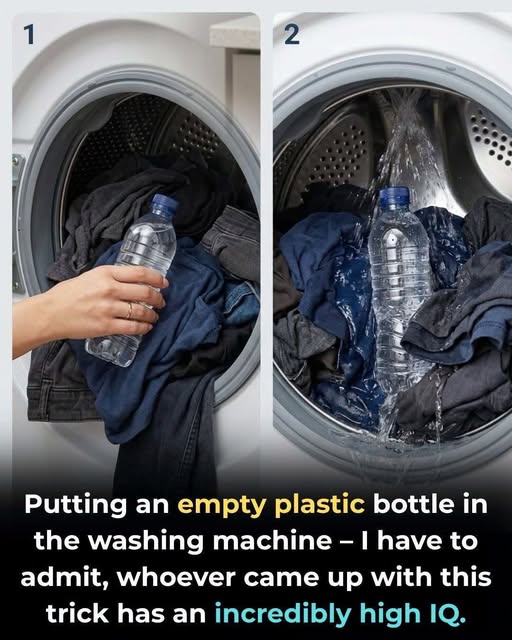
and potentially reduce the overall intensity of wrinkles in the fabric. Beyond the mechanical separation of laundry, supporters argue that the movement of the bottle within the drum may assist in circulating water and detergent more evenly throughout the load. This increased agitation is claimed to improve the cleaning process, particularly for larger loads that might otherwise experience uneven saturation. By ensuring that cleaning agents reach all areas of the fabric effectively, the theory suggests that clothes emerge cleaner and easier to manage during the drying and ironing stages, saving the user time and effort in their daily household maintenance routines.
However, the implementation of this method requires significant caution and adherence to specific safety guidelines to avoid damaging the appliance. If one chooses to experiment with this technique, it is essential to select only a small, lightweight plastic bottle. Before introducing it to the wash, the label must be completely removed to prevent it from peeling off and potentially clogging the machine’s filter or drainage system. Furthermore, the bottle must be verified as entirely empty, and the user should ensure that there are no sharp edges or structural defects that could snag delicate fabrics or scratch the interior surface of the washing machine drum. It is also advised to avoid using thick, rigid, or heavy plastic containers, as these materials could interfere with the delicate balance of the spin cycle, potentially leading to mechanical stress or internal damage to the machine’s components.
It is important to note that washing machine manufacturers generally do not recommend the addition of loose, foreign objects to the drum during operation. Modern washing machines are engineered with precise weight distribution and mechanical tolerances in mind. Introducing an object that is not part of the standard laundry load can disrupt the balance of the drum, especially during high-speed spin cycles. Such imbalances may cause the machine to vibrate excessively, which can lead to premature wear on bearings, suspension systems, or the drum itself. Because manufacturers design these appliances to operate under specific conditions, any deviation from these guidelines could potentially void a warranty or lead to costly repairs that are not covered by the manufacturer’s service agreements.
Furthermore, the long-term effects of subjecting a plastic bottle to repeated high-temperature water and harsh chemical detergents are not well-documented. Over time, the plastic may become brittle, deformed, or develop cracks due to the thermal stress and mechanical impact within the drum. If the bottle shows any signs of wear, such as cracking, melting, or thinning, it should be discarded immediately. Users are strongly advised to monitor the machine closely during the first few cycles if they choose to use this method. If the appliance begins to emit unusual noises, such as thumping, scraping, or grinding, the cycle should be paused immediately and the bottle removed. Any sound that deviates from the machine’s normal operational noise is a significant indicator that the object is interfering with the internal mechanics of the washer.
Ultimately, while the concept of using a plastic bottle to manage laundry tangles is an intriguing and inexpensive household suggestion, it carries inherent risks that must be weighed against the perceived benefits. The primary goal of any laundry routine should be the longevity of both the clothing and the appliance itself. Given that manufacturers explicitly advise against adding loose items to the drum, the most prudent course of action is to rely on established laundry practices, such as grouping similar items together or using specialized laundry bags for delicate pieces. If you decide to proceed with this hack, prioritize the safety of your machine by keeping the bottle small, lightweight, and in excellent condition, and always remain vigilant for any signs of mechanical distress. If the practice causes even minor concern regarding the machine’s performance, it is best to discontinue use immediately to prevent long-term damage to your appliance.