
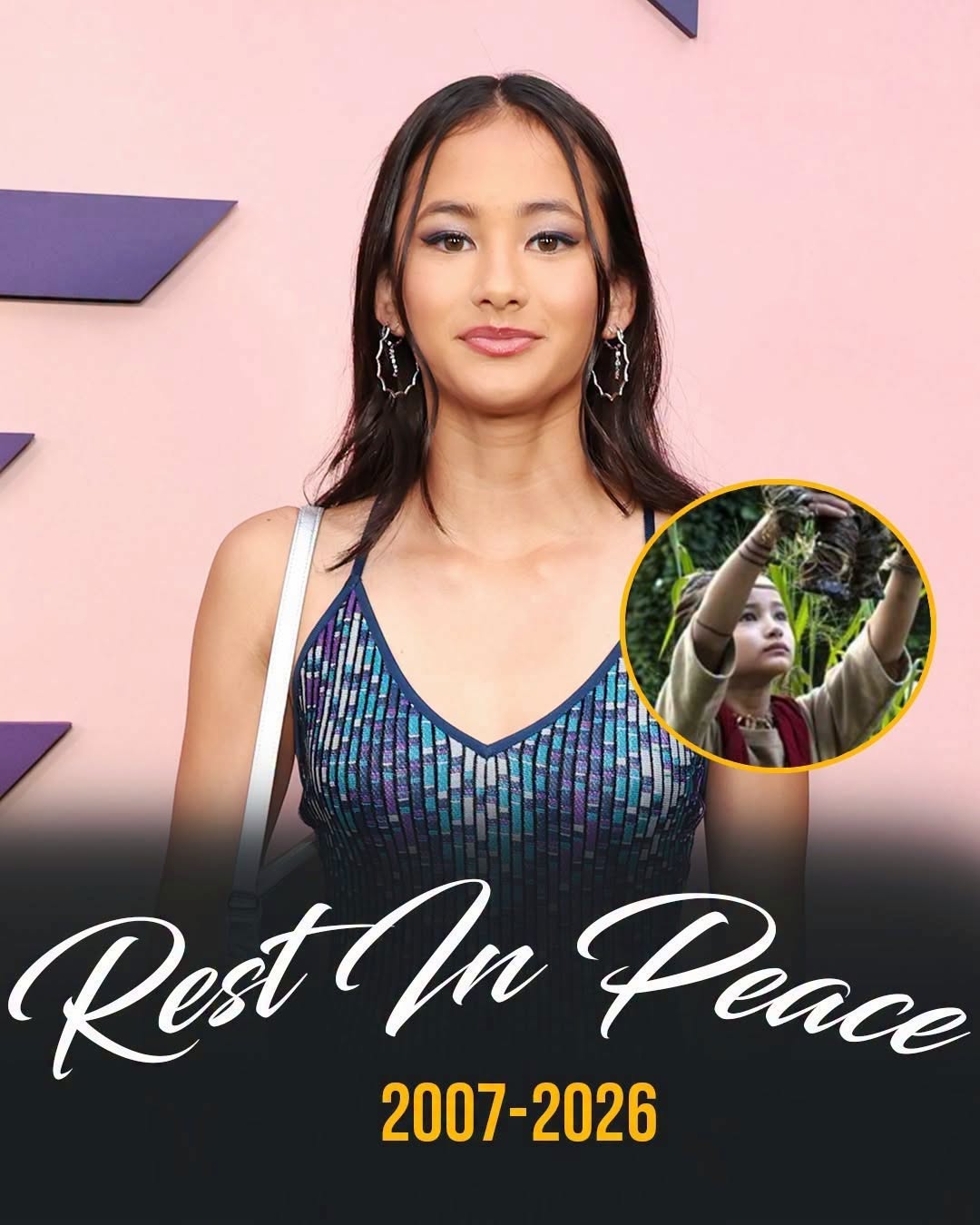
Historically, Deaf performers and Deaf characters have received limited visibility in major studio productions. Hottle’s role stood out because sign language, facial expression, and nonverbal communication were treated as essential parts of the story rather than secondary details.
That kind of representation matters because stories influence expectations. Young people often look to film and television not only for entertainment but also for examples of possibility. When major productions include performers from communities that have long been underrepresented, they quietly expand ideas about who belongs on screen and whose experiences deserve to be told.
Hottle’s work also served as a reminder that meaningful inclusion is not simply about adding diverse characters. It is about offering authentic opportunities and allowing performers to contribute to a story in ways that reflect both their abilities and their lived experiences.
A Wider Conversation
The response to reports about Hottle reflects how deeply audiences can connect with young performers whose work feels genuine. Friends, classmates, colleagues, and fans have spoken about her connection to the Texas School for the Deaf and the promise many recognized early in her career.
Her contribution to the Godzilla films remains part of a broader conversation about accessibility, opportunity, and representation within the entertainment industry. While meaningful progress has been made, Deaf actors and many other underrepresented performers continue to face fewer opportunities than many of their peers.
These conversations also remind us of another responsibility. When news involves a young person or their family, accuracy and restraint matter. Taking time to verify information before sharing it helps protect both the individuals involved and the quality of public discussion.
Why It Matters
Whether audiences first noticed Kaylee Hottle because of the Godzilla franchise, her performance, or what her role represented, the lasting impact lies in something larger than a single film.
Thoughtful representation has the ability to help people feel seen, broaden perspectives, and encourage industries to recognize talent wherever it is found. Its greatest value is not in attracting attention but in opening doors that remain open for others.
For many viewers, Jia’s story continues to illustrate that major films can make room for different languages, different experiences, and different ways of connecting with the world. That quiet legacy is worth remembering as the entertainment industry continues to shape the stories it chooses to tell.
As conversations continue, they are best guided by respect for the people behind the performances, careful attention to reliable information, and appreciation for the lasting influence that sincere work can have on audiences everywhere.