
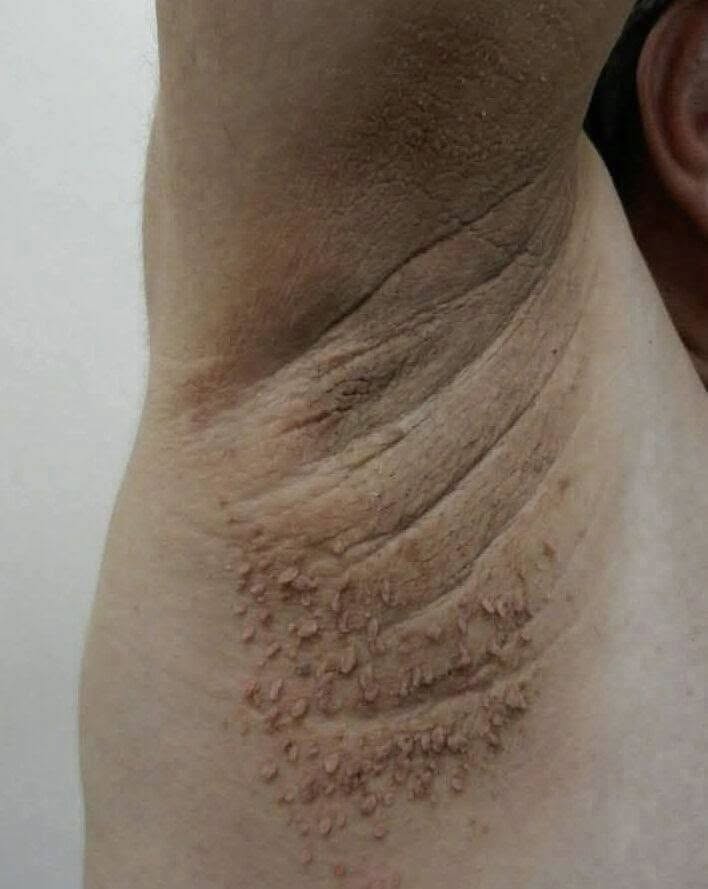
One possible cause is **acanthosis nigricans**, a skin condition that appears as darker, thicker, and velvety patches of skin. These areas most commonly develop in body folds such as the back of the neck, under the arms, or in the groin, but they can also appear on the elbows, knees, knuckles, or other areas.
Acanthosis nigricans is **not a disease itself**. Instead, it is often a symptom of an underlying medical condition. The most common cause is **insulin resistance**, a condition in which the body’s cells become less responsive to insulin. To compensate, the pancreas produces more insulin, and the elevated insulin levels can stimulate skin cells to grow more rapidly, leading to thickened, darkened patches.
Because insulin resistance is closely linked to **prediabetes and type 2 diabetes**, acanthosis nigricans may serve as an early warning sign that blood sugar levels need attention. It is also associated with obesity, metabolic syndrome, polycystic ovary syndrome (PCOS), and certain hormonal disorders.
In some cases, medications such as corticosteroids, birth control pills, or high-dose niacin may contribute to the condition. Less commonly, acanthosis nigricans can be associated with inherited conditions or, in rare cases, certain cancers—particularly when it develops suddenly, spreads rapidly, or appears in unusual locations. These situations require prompt medical evaluation.
Treatment focuses on addressing the underlying cause rather than simply treating the skin itself. Losing excess weight, improving diet, increasing physical activity, and managing blood sugar levels can often help reduce the appearance of the affected skin over time. When appropriate, a healthcare provider may also recommend topical creams or other treatments to improve the skin’s texture and appearance.
If you notice dark, velvety skin that develops without an obvious explanation or continues to worsen, it’s a good idea to schedule an appointment with a healthcare professional. A simple examination and, if needed, blood tests can help determine whether an underlying health condition needs attention.
Your skin can sometimes provide valuable clues about your overall health. Paying attention to changes like acanthosis nigricans and seeking medical advice early may help identify insulin resistance or other conditions before they become more serious.
**Disclaimer:** This article is for educational purposes only and is not a substitute for professional medical advice, diagnosis, or treatment. If you notice unexplained skin changes or have concerns about your health, consult a qualified healthcare provider.