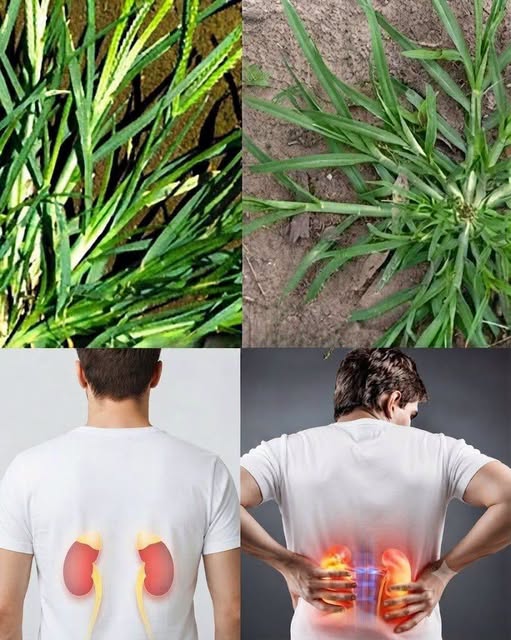
that its humble appearance belies a complex chemical profile worthy of serious investigation. What looks like a scruffy, invasive weed in a cracked sidewalk has, for centuries, been harvested with care and intention. Goosegrass has slipped through fingers into baskets, into kitchens, and into steaming cups meant to comfort, support, or simply honor a tradition that refused to die. Its reputation grew not from commercial marketing, but from collective memory: stories of elders who trusted what the fields offered when little else was available to them. As interest in natural wellness continues to surge globally, goosegrass stands at a fragile, fascinating crossroads between ancient folklore and contemporary evidence. Researchers are currently dissecting its various chemical compounds, rigorously testing what was once only believed through anecdotal observation. Some early findings are undeniably intriguing, yet they also serve as a necessary reminder that the label of natural is not synonymous with proven, nor is it a guarantee of safety. Goosegrass serves as a quiet, persistent lesson: that the plants we often ignore can carry history, hope, and significant unanswered questions all at once, asking us to approach them with both curiosity and profound caution.
Historically, the use of Galium aparine has been deeply rooted in traditional herbalism. In many cultures, the plant was utilized as a spring tonic, believed to support the body’s natural processes. It was frequently prepared as an infusion, where the fresh or dried aerial parts were steeped in hot water. These traditional practices were often passed down through oral histories, reflecting a time when local flora formed the primary basis of domestic health support. However, it is essential to distinguish these cultural practices from clinical medicine. Folklore provides a window into how communities interacted with their environment, but it does not provide the standardized safety data required for modern health recommendations.
From a botanical perspective, goosegrass is a member of the Rubiaceae family, characterized by its whorled leaves and tiny, hooked hairs that allow it to cling to clothing and animal fur. This physical trait, which makes it a nuisance to gardeners, was perhaps the very reason it was so easily identified and gathered by foragers. Its chemical composition includes flavonoids, iridoid glycosides, and various phenolic compounds. These substances are the current focus of laboratory studies, as researchers attempt to isolate them to understand their potential biological activity in a controlled environment. While these laboratory results provide a foundation for understanding, they are distinct from human clinical trials. The current scientific interest in goosegrass is largely focused on identifying how these isolated compounds interact with biological systems. For instance, studies on plant-derived antioxidants often look at how these substances might mitigate oxidative stress. While such research is valuable, it is crucial to understand that evidence derived from test tubes or animal models cannot be directly extrapolated to human health outcomes. The leap from a laboratory observation to a safe, effective, and standardized therapeutic application is significant, requiring years of rigorous testing, safety monitoring, and peer-reviewed validation that currently does not exist for goosegrass in a clinical capacity.
Furthermore, the safety of consuming wild plants is a critical consideration. Foraging involves inherent risks, including the potential for misidentification, contamination from pesticides or pollutants in the soil, and the presence of natural toxins that may vary depending on the plant’s growth stage or environment. Even plants traditionally considered safe can cause adverse reactions, allergic responses, or interactions with medications. Because goosegrass is not regulated as a supplement or a medicine, there is no oversight regarding its purity, potency, or the presence of contaminants. Approaching such plants with a high degree of skepticism is not a rejection of tradition, but a commitment to personal well-being. In the absence of robust, large-scale human clinical trials, it is impossible to make definitive claims about the efficacy of goosegrass for any specific health condition. The gap between the anecdotal success stories of the past and the stringent requirements of modern evidence-based medicine remains wide. For those interested in natural wellness, this means that while the history of goosegrass is compelling, it should not be viewed as a substitute for professional medical advice or conventional treatments. The plant remains a subject of study rather than a verified health solution.
Ultimately, the story of goosegrass is a reflection of our evolving relationship with the natural world. It invites us to appreciate the botanical diversity that exists in our own backyards while simultaneously urging us to maintain a critical perspective. We must honor the wisdom of the past while demanding the rigor of the present. As research continues to unfold, we may learn more about its chemical secrets, but until such time as clear, evidence-based conclusions are reached, the most prudent path is to view goosegrass with cautious respect, recognizing that the most common plants are often the ones that require the most careful, informed, and evidence-based evaluation before they can be safely integrated into any health regimen.