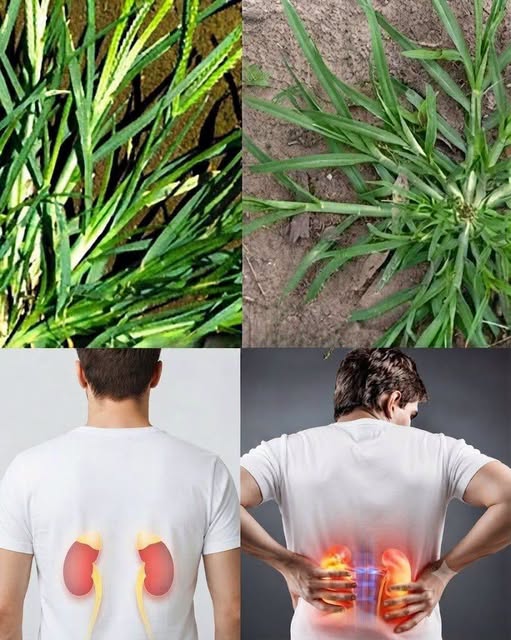
never found their way into formal textbooks. These traditional practices were rooted in the practical knowledge of elders who relied on the natural world to provide comfort and support when other resources were scarce. The plant’s reputation grew through word of mouth, sustained by a collective memory that valued the medicinal potential of local flora. Today, as interest in botanical wellness experiences a significant resurgence, goosegrass has moved from the periphery of our gardens into the center of a complex conversation regarding the intersection of historical folklore and contemporary scientific validation.
The transition from a folk remedy to a subject of modern research is rarely straightforward. Scientists are currently engaged in the meticulous process of dissecting the chemical composition of Galium aparine to determine whether the anecdotal benefits reported by our ancestors can be supported by rigorous laboratory data. This investigation is essential because the historical use of a plant does not automatically equate to clinical efficacy or safety. The scientific method demands a level of scrutiny that traditional practices, while valuable in their cultural context, were never designed to provide. Consequently, goosegrass serves as a compelling case study for the broader challenges of integrating traditional knowledge with modern medicine.
One of the primary difficulties in evaluating plants like goosegrass lies in the variability of their chemical makeup. Factors such as soil quality, the timing of the harvest, and the specific environment in which the plant grows can significantly alter its concentration of active compounds. Researchers must account for these variables when attempting to standardize extracts for study. While early laboratory findings have identified various phytochemicals within the plant that intrigue the scientific community, these results are often preliminary. They provide a foundation for further inquiry rather than definitive proof of therapeutic utility in humans. It is critical to distinguish between the presence of a compound and its ability to produce a measurable, safe, and reliable health outcome.
Furthermore, the term natural is frequently misunderstood in the context of wellness. There is a pervasive, yet inaccurate, assumption that because a plant grows in the wild, it is inherently safe for consumption or application. This perspective ignores the reality that many potent substances are found in nature and can pose significant health risks if used improperly, in incorrect dosages, or by individuals with specific underlying health conditions. The history of herbal medicine is replete with examples where the line between a beneficial tonic and a harmful substance is defined by concentration and context. Approaching goosegrass with caution is not merely a matter of scientific skepticism; it is a fundamental requirement for personal safety.
As we navigate the current landscape of natural health, it is important to maintain a balanced perspective. The stories passed down through generations offer a window into how humanity has historically interacted with the natural world, and these narratives hold cultural and historical significance. However, when it comes to physical health, we must prioritize evidence-based understanding. Relying on folklore without the backing of clinical trials can lead to missed opportunities for effective treatment or, conversely, to the adoption of practices that may be ineffective or potentially hazardous. The goal of modern research is to bridge this gap, separating the genuine therapeutic potential of plants from the myths that may have accumulated over time.
The ongoing study of goosegrass also highlights the importance of humility in the face of nature. We are often quick to categorize plants as either weeds to be eradicated or miracle cures to be exploited, but the truth is usually far more nuanced. Galium aparine is a complex organism that has evolved to survive in diverse environments, and its chemical properties are a reflection of that evolutionary journey. Understanding these properties requires a long-term commitment to research that respects the complexity of biological systems. It also requires a public that is willing to engage with the limitations of current knowledge rather than seeking immediate, simplistic answers to complex health questions.
In conclusion, while goosegrass remains a subject of genuine scientific interest, it is essential to approach its use with a high degree of caution. The transition from traditional folk remedy to a validated health aid is a rigorous process that remains incomplete. Consumers should be wary of claims that overstate the benefits of the plant or ignore the potential for adverse effects. Until more comprehensive clinical evidence is available, the most responsible approach is to view goosegrass as a plant of historical and botanical interest rather than a proven medical solution. By maintaining this distinction, we can honor the traditions of the past while ensuring that our current health decisions are guided by the most reliable, evidence-based information available to us today.