
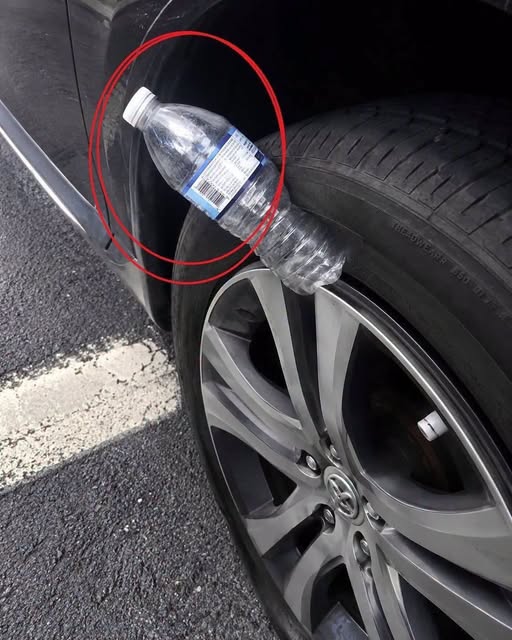
vulnerability. As soon as you begin to drive away, the bottle is crushed under the weight of the tire, producing a loud, jarring crinkling or popping sound. This noise is intentionally startling, designed to make you believe you have run over something significant or that your vehicle is experiencing a mechanical failure. The immediate reaction for most drivers is to pull over to the side of the road and exit the vehicle to inspect the damage, often leaving the engine running and the doors unlocked in their haste to identify the source of the noise. This moment of distraction is precisely what opportunistic thieves are waiting for, as they are often lurking nearby, ready to seize the opportunity to jump into the driver’s seat and steal the vehicle or quickly snatch valuables left in the cabin before you can react. The simplicity of this method is what makes it so effective, as it relies entirely on the psychological manipulation of the driver’s concern for their safety and the integrity of their car.
It is important to understand that this is not a random occurrence but a calculated strategy. By placing the bottle on the passenger side, the perpetrator ensures that the sound is audible to the driver while keeping the vehicle’s entry point on the opposite side away from the driver’s immediate line of sight. This positioning provides the thief with a few extra seconds of cover, allowing them to approach the vehicle while you are distracted by the inspection process. Because the sound of plastic crushing is so distinct, it bypasses your logical reasoning and triggers a fight-or-flight response, making you more susceptible to making mistakes, such as forgetting to turn off the ignition or failing to lock your doors.
To protect yourself and your property, you must adopt a proactive approach to vehicle security. Before you ever get into your car, take a few seconds to perform a quick visual sweep of the area, specifically checking the tires for any foreign objects like plastic bottles, cans, or other debris that may have been placed there intentionally. If you notice something unusual, do not attempt to remove it while the car is running or while you are alone in an isolated area. Instead, stay inside your locked vehicle and assess your surroundings for any suspicious individuals watching you. If you hear a loud noise while driving that you suspect might be a trap, do not stop in a dark or deserted area. Continue driving to a well-lit, public location, such as a gas station or a busy parking lot, where there are other people around and security cameras are likely present. If you feel unsafe or believe you are being followed, contact local law enforcement immediately and provide them with your location and a description of any suspicious activity you have observed.
Furthermore, maintaining good habits is your best defense against such tactics. Always lock your car doors the moment you enter the vehicle, even if you are only planning to be inside for a short time. Never leave your vehicle running unattended, especially in parking lots or near public thoroughfares. If you notice someone consistently placing items near your car or acting in a way that makes you uncomfortable, report this behavior to the property manager or local authorities. By staying vigilant and refusing to let the element of surprise dictate your actions, you can effectively neutralize this threat. Being aware of these common tactics is the first step in ensuring your personal safety and the security of your vehicle. Always prioritize your physical well-being over the potential damage to your car, and when in doubt, keep moving toward a safe, populated environment until you are certain that you are no longer at risk.