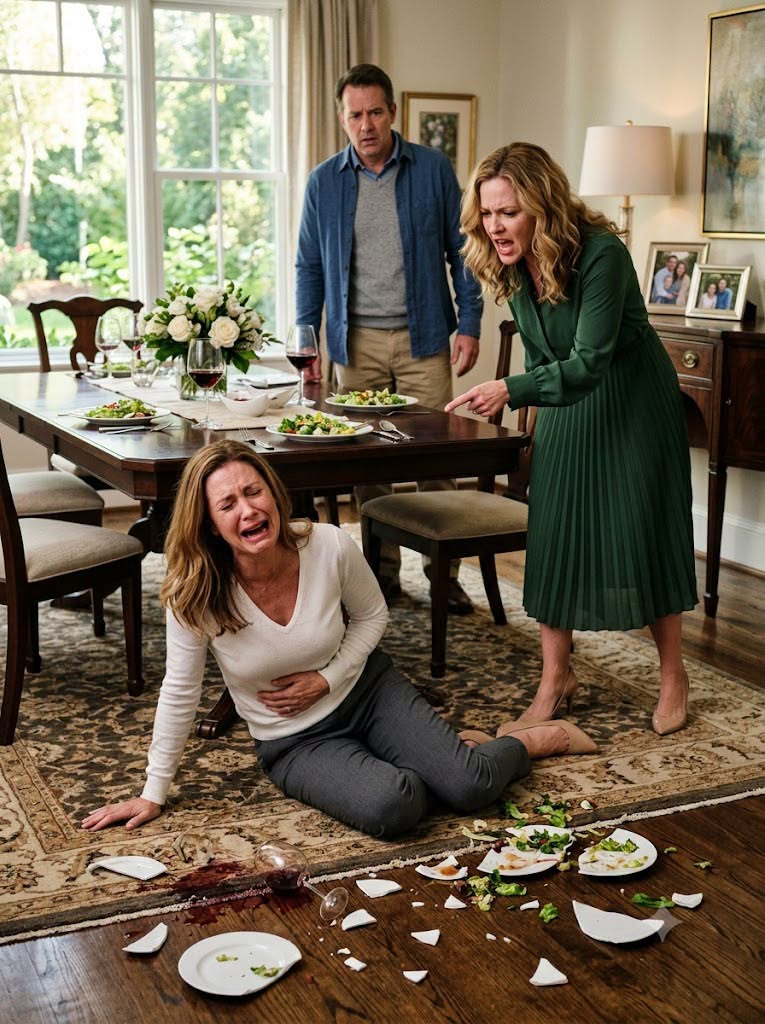
Everything changed during a family dinner when Margaret demanded an additional five thousand dollars for a vacation. For the first time, I calmly refused. What should have been an ordinary boundary was met with anger that quickly turned into a physical confrontation. Daniel stood frozen as I was injured. In that moment, I understood that the deeper problem was not the money itself but the belief that my work, my earnings, and my sacrifices belonged to someone else. I left the house without another argument, knowing that some situations cannot be repaired simply by enduring them.
I drove directly to the hospital to have my injuries documented before contacting my attorney, Claire Donovan. She immediately advised me to protect both my health and my legal position, and Detective Morales soon became involved. For several weeks I had already been reviewing financial records because I sensed that important information was being withheld from me. The investigation uncovered far more than I had feared. Daniel had opened credit accounts in my name, arranged a fraudulent equity line against one of my rental properties, and transferred money to Margaret through fabricated business invoices. Records also showed they had closely tracked my income while planning future spending around it.
By the following morning, Claire had secured a protective order, and investigators obtained a warrant to search Margaret’s home. The search uncovered financial records, identity documents, and other evidence indicating a long pattern of fraud. Daniel and Margaret were arrested, and the case moved from a painful family dispute into a matter for the courts.
From jail, Daniel tried repeatedly to contact me, asking me to see everything as a misunderstanding. I chose not to respond. Instead, I filed for divorce, secured my finances, and allowed the legal process to continue without interruption. Later, I met Daniel’s older brother, Nathan, who shared his perspective on years of unhealthy family dynamics. His explanation did not excuse what had happened, but it helped me understand how long-standing patterns can quietly shape harmful choices when they are never challenged.
During the hearings, Claire presented detailed financial records that clearly documented the fraud. The evidence spoke for itself. Attempts to dismiss the matter as a simple family disagreement could not withstand the documented facts. Accountability required more than explanations; it required honesty about the choices that had been made.
Faced with overwhelming evidence, both Margaret and Daniel entered guilty pleas and accepted the legal consequences that followed. Margaret was required to sell her home to satisfy court-ordered restitution, while Daniel lost his career and any legal interest in my dental clinics. Those outcomes were difficult for everyone involved, but they reflected the seriousness of their actions rather than a desire for punishment.
After the divorce was finalized, I purchased a smaller home near my office. It was not the size of the house that mattered, but the peace it represented. For the first time in years, my life no longer revolved around meeting demands that had no end.
When the first restitution payment arrived, I deposited it quietly. It was not a moment of celebration. It was a reminder that what had been taken could, at least in part, be restored. More importantly, I had regained something money alone could never replace: the freedom to make decisions without fear, to protect healthy boundaries without guilt, and to build a future shaped by integrity rather than obligation.