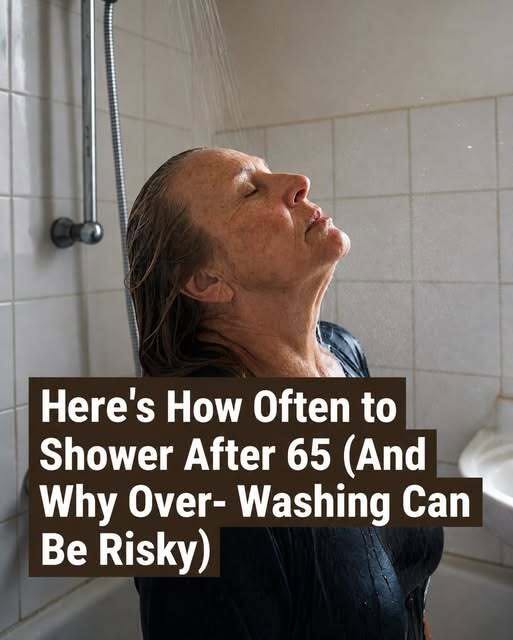
These natural changes mean that long-standing bathing habits, such as indulging in extended, steaming showers, can inadvertently strip away the very lipids required to keep the skin supple and resilient. When the skin’s lipid barrier is compromised, it becomes increasingly vulnerable to environmental stressors, leading to heightened sensitivity, flaking, and discomfort. Understanding these biological shifts is the first step toward reclaiming comfort, as many of the issues associated with aging skin can be managed through intentional, gentle modifications to your daily hygiene and moisturizing rituals.
The primary culprit in the cycle of dryness is often the water temperature and the duration of exposure. While a hot shower feels soothing in the moment, the high heat acts as a solvent, aggressively dissolving the natural oils that coat the surface of your skin. By lowering the water temperature to a warm, comfortable level and limiting your time in the shower to between five and ten minutes, you significantly reduce the stress placed on your dermal layers. Furthermore, the choice of cleanser is paramount. Harsh, heavily scented soaps are designed to cut through grease, but on aging skin, they remove essential protective elements. Opting for mild, fragrance-free cleansers—and applying them only to areas that truly require cleaning rather than the entire body—preserves the skin’s delicate balance.
Once you step out of the shower, your post-bathing routine is just as critical as the wash itself. Instead of vigorously rubbing your skin with a towel, which can cause micro-abrasions and exacerbate irritation, gently pat yourself dry. This technique leaves a thin film of moisture on the skin’s surface, which serves as a vital foundation for your moisturizer. The most effective strategy is to apply a high-quality cream or ointment within three minutes of drying off. This timing is essential because it traps the lingering water before it has a chance to evaporate into the air, effectively sealing the hydration into the epidermis.
When selecting a moisturizer, look for ingredients that mimic the skin’s natural composition or act as powerful humectants. Ceramides are excellent for rebuilding the structural integrity of the skin barrier, while glycerin and hyaluronic acid are highly effective at drawing moisture into the deeper layers of the skin. For those experiencing more severe dryness, petrolatum-based ointments provide a superior occlusive barrier that prevents moisture loss for longer periods than lighter, water-based lotions. Consistency is the key to success; applying these products daily, even on days when you do not shower, will help maintain a healthy, comfortable texture over time.
Beyond the bathroom, your environment plays a significant role in skin health. During colder months or in arid climates, the air inside your home can become incredibly drying. Utilizing a humidifier in your living space or bedroom can help maintain a baseline level of ambient moisture, which prevents your skin from drying out prematurely. Additionally, being mindful of your clothing choices can make a substantial difference. Soft, breathable fabrics like cotton or silk are far less irritating to sensitive, aging skin than coarse or synthetic materials that may trap heat or cause friction. Staying well-hydrated by drinking adequate water throughout the day also supports your skin from the inside out, providing the necessary fluids for cellular health.
While these adjustments are highly effective for most, it is important to remain vigilant regarding the state of your skin. If you find that despite your best efforts to moisturize and protect your skin, you continue to experience persistent itching, painful cracking, or unexplained rashes, it is time to seek professional medical advice. These symptoms can sometimes be indicative of underlying health conditions that require specific treatment, such as eczema, contact dermatitis, psoriasis, or systemic issues like diabetes and thyroid disorders. Certain medications may also contribute to skin dryness as a side effect.
A healthcare provider or dermatologist can offer a personalized assessment to rule out these conditions and suggest targeted therapies if necessary. By viewing skin care as a proactive, evidence-based practice rather than a cosmetic chore, you can effectively mitigate the common discomforts associated with aging. Embracing these gentle, consistent habits allows you to maintain the health and comfort of your skin, ensuring that it continues to function as the protective, resilient barrier it was designed to be throughout your later years. Through careful attention to water temperature, soap selection, and the timing of your moisturizing routine, you can foster a healthier relationship with your skin, prioritizing long-term wellness and comfort above all else.