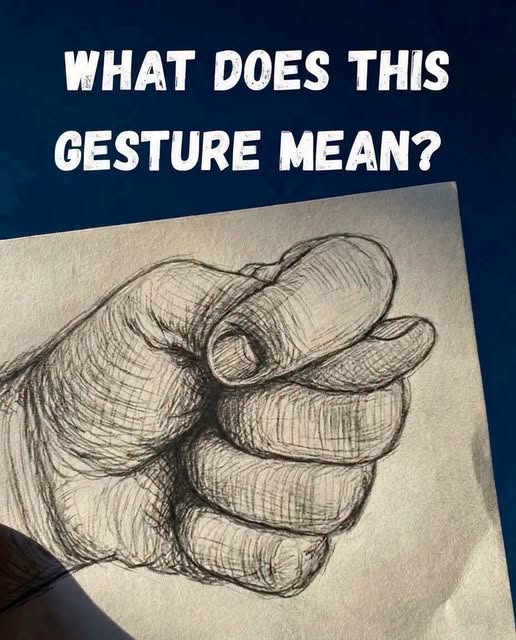
political resistance in ways that words often could not. By tucking the thumb between the index and middle fingers, individuals throughout history have invoked a symbol that shifts its meaning depending on the observer and the context. In the Mediterranean and across vast swaths of Russian culture, the gesture was far more than a mere insult or a playful tease; it was a vital spiritual talisman. It functioned as a primary defensive mechanism against the dreaded evil eye, a malevolent force believed to cause misfortune or illness. In these traditions, the hand itself became a shield, with the tucked thumb representing a hidden strength or a secret, concentrated power capable of warding off unseen dangers that threatened the vulnerable, particularly children. This protective application highlights how deeply embedded non-verbal communication was in the daily lives of our ancestors, providing a tactile sense of security in an unpredictable world.
As the centuries progressed, the fig gesture migrated from the realm of the supernatural into the gritty reality of social and political friction. During the 19th century in Europe, the gesture became a sophisticated instrument of silent protest. When faced with the heavy-handed demands of tax collectors or the overreach of local authorities, citizens often lacked the agency to speak out without risking severe retribution. In these tense environments, the fig gesture offered a perfect solution: a form of defiance that was simultaneously visible to the community and deniable to the oppressor. By flashing the sign, individuals could articulate their refusal to comply or their contempt for authority without uttering a single word that could be used against them in a court of law. It was an act of quiet rebellion that fostered solidarity among the oppressed, proving that even the most restrictive environments could not fully suppress the human impulse to dissent.
The cultural versatility of the fig is further evidenced by its transition into the domestic and personal spheres. For generations, it served as a staple of childhood interaction, acting as a playful, non-aggressive way to signal refusal or to tease peers. It functioned as a shorthand for saying that one had been tricked or that a request was being firmly denied. Beyond the playground, the gesture took on more poignant, intimate meanings. Soldiers, often separated from their families by vast distances and the perils of conflict, utilized the fig gesture as a symbolic method to protect their wedding rings. By curling their fingers in this specific manner, they created a physical enclosure around their bands, turning the gesture into a private vow of fidelity and a talisman of home. This practice transformed a symbol of defiance into one of enduring love, demonstrating how a single physical action can hold vastly different meanings depending on the intent of the person performing it.
These historical applications remind us that non-verbal communication is a fundamental pillar of human interaction, especially when open speech is curtailed by social norms or political fear. When the risks of vocalizing one’s thoughts are too high, the body becomes a canvas for expression. The fig gesture illustrates that we have always sought ways to signal our boundaries, our protections, and our defiance through subtle movements. It serves as a testament to the ingenuity of the human spirit in finding ways to communicate complex, often dangerous, emotions through the simplest of means. While the gesture has largely faded from common usage in the modern era, its legacy remains a fascinating study in how we define ourselves and our relationships to authority.
In a contemporary context, understanding the history of the fig gesture provides a valuable lesson in the power of non-verbal cues. While we may no longer rely on it to ward off the evil eye or mock tax collectors, the principle remains relevant: communication is not limited to the spoken or written word. When navigating modern social challenges, consider the impact of your own non-verbal signals. If you find yourself in a situation where direct verbal confrontation is unproductive or unwise, remember that clear, firm boundaries can often be established through simple, deliberate actions. Using your body language to signal confidence and refusal can be just as effective as a loud declaration. To use this knowledge practically, practice maintaining neutral, firm body language in professional or personal disagreements to preserve your dignity without escalating conflict. By recognizing the historical weight of such gestures, you can better appreciate how small, intentional movements continue to shape our interactions today.