
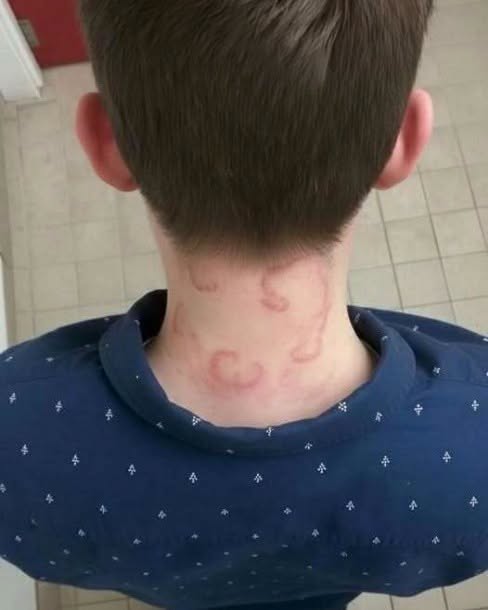
These infections are not caused by parasites, but rather by fungi that thrive in warm, humid environments. Common manifestations include Tinea corporis, which presents as circular rashes on the body; Tinea capitis, affecting the scalp; Tinea pedis, commonly known as athlete’s foot; and Tinea unguium, which impacts the nails. These pathogens are highly transmissible, spreading through direct contact with infected individuals or animals, as well as through contaminated items like shared towels, gym equipment, or locker room surfaces. If you notice a rash that is spreading, changing shape, or failing to resolve, it is essential to seek a professional dermatological consultation rather than relying on guesswork or ineffective home treatments.
The misconception that natural remedies can replace clinical care is a dangerous myth. While substances like tea tree oil, vinegar, or garlic are often touted for their antifungal properties, they lack the clinical precision and potency of medical treatments. A doctor may prescribe topical antifungals such as clotrimazole or terbinafine for localized cases, or oral medications like fluconazole, griseofulvin, or terbinafine for more persistent or deep-seated infections. These prescription-grade therapies are designed to target the fungus at its root, preventing the infection from becoming a chronic, systemic issue that is significantly harder to manage.
Prevention is your most effective defense against these opportunistic invaders. Maintaining rigorous hygiene is paramount; keeping your skin clean and, crucially, thoroughly dry is the best way to discourage fungal growth. Moisture is the primary catalyst for these infections, so ensuring you dry off completely after bathing is a simple but vital habit. Furthermore, avoid sharing personal items such as towels, combs, or clothing, as these are common vehicles for transmission. In public spaces like swimming pools, locker rooms, or communal showers, always wear protective footwear to minimize direct contact with contaminated surfaces.
Beyond external hygiene, your immune system plays a significant role in your body’s ability to fend off fungal overgrowth. A lifestyle that prioritizes adequate rest, balanced nutrition, and effective stress management creates a more resilient physical environment. If you are prone to athlete’s foot, incorporating antifungal powders into your daily routine can help keep your feet inhospitable to fungi. These small, consistent adjustments to your daily habits are far more effective than attempting to treat an established, spreading infection with household pantry items.
It is important to understand that fungal skin infections are not merely a temporary annoyance; they are indicators of a compromised physical environment. Ignoring the early warning signs—such as an expanding red ring or persistent itching—only allows the colony to strengthen. When home remedies fail to produce results, it is a clear signal that you need clinical-grade treatment. By consulting a healthcare professional early, you can halt the progression of the infection, protect your skin’s integrity, and prevent the discomfort of a long-term dermatological condition. Vigilance is the hallmark of effective health management, and your skin deserves the professional care necessary to ensure it remains healthy and free from these opportunistic colonies.
Furthermore, consider the environmental factors that contribute to these conditions. Fungi are microscopic organisms that exist naturally in our environment, yet they become problematic when they find the right conditions to colonize human skin. The skin acts as a barrier, but when that barrier is compromised by micro-abrasions, excessive moisture, or a weakened immune response, the fungi find an opening. This is why athletes and individuals who frequent humid public spaces are at a higher risk. Understanding the lifecycle of these organisms helps explain why treatment must be consistent and why stopping medication prematurely—simply because the visible rash has faded—often leads to a rapid recurrence of the infection. The fungus may still be present in the deeper layers of the skin or hair follicles, waiting for the conditions to become favorable once again.
Fungal pathogens are remarkably resilient, and they often require a sustained period of treatment to be fully eradicated. Many patients make the mistake of stopping their prescribed antifungal cream or medication as soon as the redness begins to subside. This is a tactical error, as the fungus may still be lingering in the skin cells, ready to bloom again the moment the treatment stops. Always follow the full course of medication prescribed by your physician, even if your skin appears to have healed completely. This ensures that the colony is truly destroyed rather than merely suppressed.
Ultimately, the most reliable path to recovery is rooted in evidence-based medicine, professional diagnosis, and a proactive commitment to hygiene, ensuring that what begins as a minor irritation does not escalate into a complex medical challenge requiring intensive, long-term intervention. Prioritizing medical expertise over anecdotal solutions is the only way to ensure the safety and health of your skin. Do not gamble with your dermatological health; if a rash persists, seek the guidance of a qualified medical provider to secure an accurate diagnosis and an effective, science-backed treatment plan that addresses the root cause of the infection.