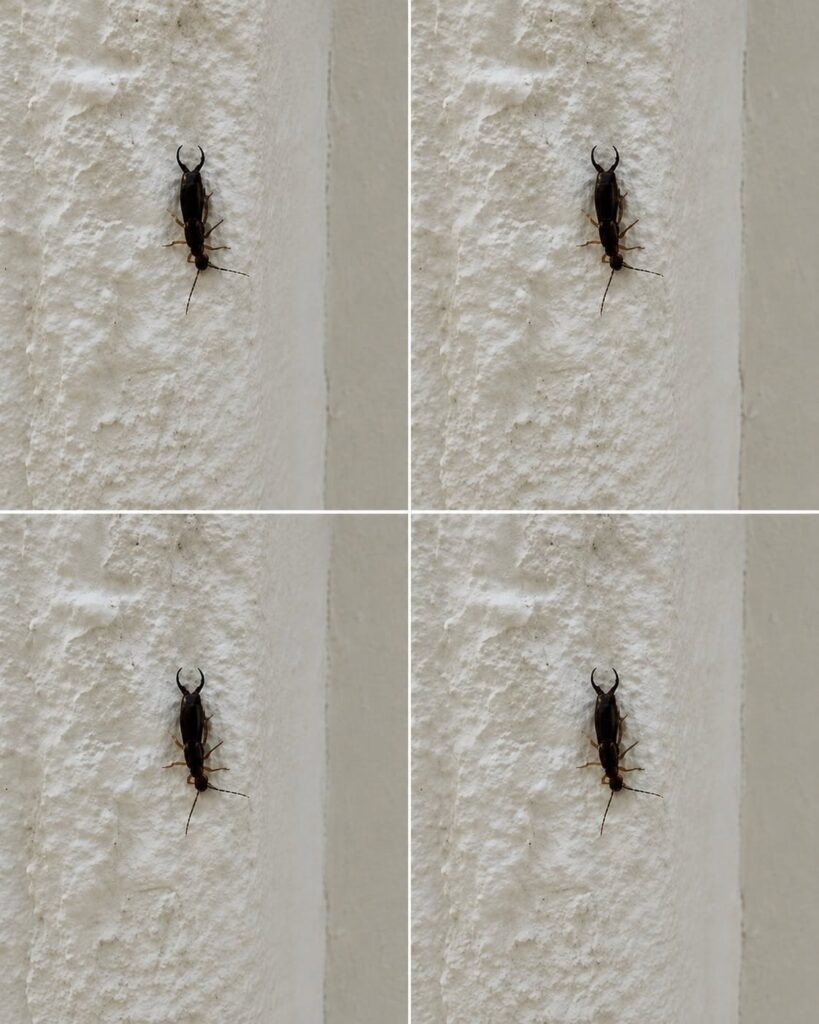
The first and most important step is to identify the insect correctly. Different species require different approaches, and knowing exactly what you are dealing with can help you understand why it appeared in your home. Proper identification also makes it easier to determine whether the insect is harmless, potentially damaging to your property, or capable of carrying disease.
After identifying the insect, inspect areas where pests commonly gather. Basements, kitchens, bathrooms, laundry rooms, garages, and dark corners are all common hiding places. Moisture, food crumbs, standing water, overflowing trash, and clutter can attract many types of insects, making these areas worth checking carefully.
Maintaining a clean and well-organized home is one of the best ways to discourage unwanted pests. Store food in sealed containers, wipe up spills promptly, empty trash bins regularly, and reduce excess moisture by repairing leaks or improving ventilation. Sealing cracks around doors, windows, pipes, and foundations can also help prevent insects from finding easy access indoors.
If you begin noticing multiple insects of the same type, shed skins, eggs, droppings, or damage to furniture or food, it may indicate a larger infestation rather than an isolated visitor. In these situations, a more thorough inspection may be necessary, and contacting a licensed pest control professional can help identify the source of the problem and recommend the most effective treatment.
It is also important to avoid spraying random insecticides without first identifying the pest. Different insects respond to different control methods, and using the wrong product may provide little benefit while exposing people and pets to unnecessary chemicals. Addressing the underlying cause—such as moisture, food sources, or entry points—is often more effective than relying solely on pesticides.
Seeing a single unfamiliar insect does not automatically mean your home is unsafe or infested. However, paying attention to the situation early and taking practical preventive measures can help keep your home clean, comfortable, and protected while reducing the risk of more significant pest problems developing in the future.