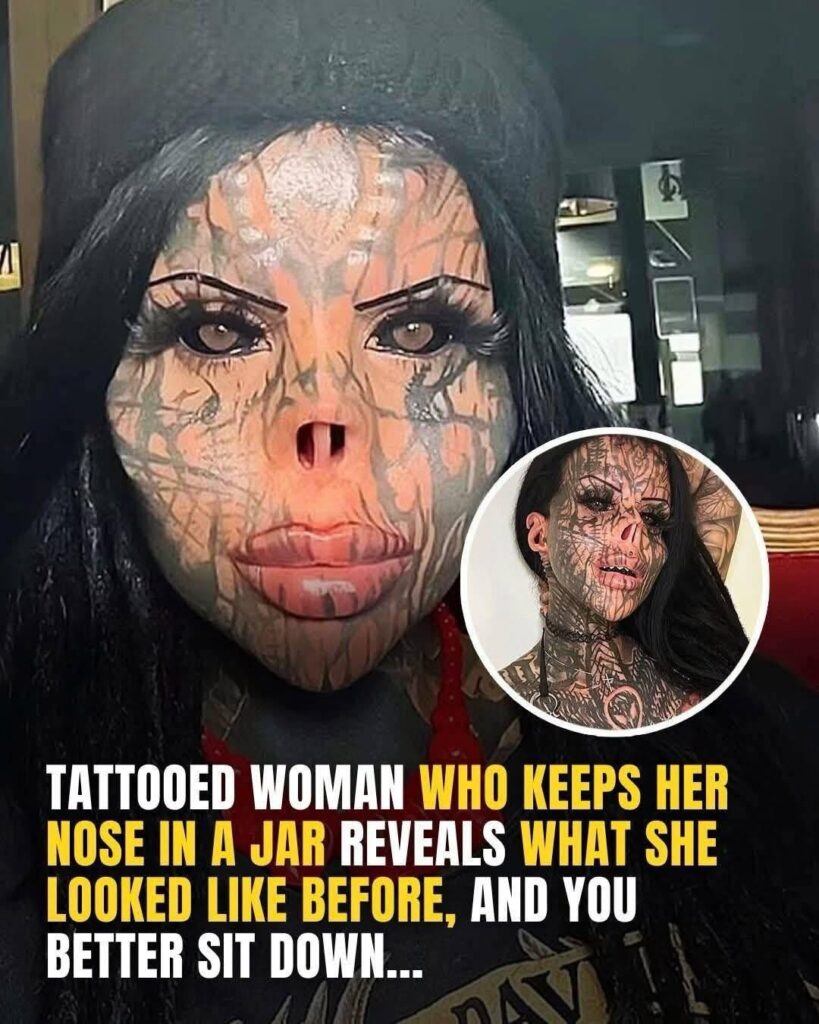
Some tattoos carry deep cultural, spiritual, or religious significance. In many Indigenous communities, traditional tattooing has been practiced for generations and may symbolize ancestry, social standing, strength, identity, or spiritual connection. These markings often preserve stories and customs, helping people remain connected to their heritage and community.
For others, tattoos are mainly a creative form of body art. A person may select a design simply because they find it visually appealing or because it reflects their personality and artistic preferences. In this way, the body becomes a living canvas, with each tattoo adding another detail to an evolving personal story.
Although tattoos have become increasingly common and socially accepted, opinions about them still differ greatly. In some cultures, religious groups, or conservative communities, tattoos may be viewed as inappropriate, disrespectful, or inconsistent with traditional beliefs. These attitudes are often influenced by long-standing customs, social expectations, or interpretations of religious teachings.
Professional opinions also continue to vary. Many modern workplaces have become more accepting of visible tattoos, particularly as younger generations enter leadership positions. However, some employers still ask workers to cover their tattoos, especially in formal, customer-facing, or traditional industries. These policies often reflect concerns about professional image, cultural expectations, or the preferences of clients and customers.
The meaning of a tattoo ultimately depends on the person wearing it. One design may represent grief, healing, love, faith, rebellion, or beauty, while another may have no deeper meaning beyond personal taste. What appears decorative to one person may hold enormous emotional importance for someone else.
Choosing whether to get a tattoo remains an individual decision shaped by personal values, cultural background, family attitudes, and social surroundings. Whether tattoos are regarded as art, tradition, identity, remembrance, or self-expression, they continue to be one of humanity’s most enduring ways of communicating personal stories through the body.