as the journey from farm to table has become increasingly intricate. Today’s meat distribution system is a highly complex web of logistics, involving numerous intermediaries including processors, distributors, and wholesalers before a product ever reaches the store shelf. This layered architecture is designed to manage scale and efficiency, yet it can inadvertently make it difficult for the average consumer to trace the specific origin or handling history of their purchase, despite the existence of rigorous regulations intended to ensure accountability.
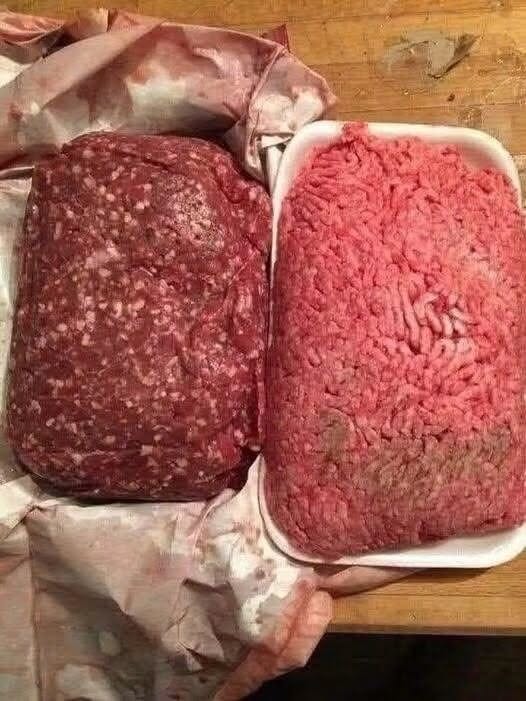
Shoppers frequently report noticeable inconsistencies in the texture, taste, and overall quality of products labeled as premium. While these sensory differences can be jarring for a household expecting a consistent culinary experience, they are rarely the result of intentional deception. Instead, these variations often stem from a range of technical factors, including specific storage conditions during transit, the unique processing methods employed by different facilities, or even the inherent, natural biological differences between individual animals within the same grade category.
The meat industry operates under a framework of strict oversight, with government agencies setting standards for safety, handling, and labeling. These regulations are designed to protect the public and ensure that products meet defined criteria before they are sold. Nevertheless, the sheer volume of meat moving through the global market means that even with strict compliance, the supply chain remains susceptible to the logistical challenges of temperature control and inventory management, which can impact the final product’s freshness and quality profile.
Processing methods play a significant role in how meat is perceived by the consumer. Techniques such as aging, vacuum sealing, and various cutting styles can alter the tenderness and flavor of a steak significantly. When a consumer buys a product, they are often unaware of these intermediate steps, which are standard practice in the industry but can lead to variations that seem like quality discrepancies. Furthermore, the way meat is displayed in a retail environment—specifically the duration of time spent in a refrigerated case—can influence its color and texture, even if the product remains perfectly safe and within its shelf-life parameters.
Biological variability is another factor that is often overlooked in discussions about food quality. Because livestock are living organisms, no two animals are identical. Even when cattle are raised under similar conditions and fed the same diet, subtle differences in genetics and growth rates can produce variations in muscle density and fat marbling. These natural differences are a reality of agricultural production, yet when they manifest in a retail package, they can sometimes be misinterpreted by consumers as a sign of inconsistent sourcing or lower-grade substitution.
The complexity of the distribution network also means that retailers often source from multiple suppliers to maintain consistent inventory levels. While this ensures that shelves remain stocked, it can introduce slight differences in the way products are handled or processed before they reach the store. A retailer might switch suppliers due to logistical needs or contractual changes, and while the product grade remains the same, the consumer might perceive a difference in the product’s characteristics. This is a byproduct of a globalized food system that prioritizes availability and affordability, yet it highlights the gap between consumer expectations for uniformity and the reality of agricultural supply.
Addressing these concerns requires a better understanding of how the food system functions. Transparency initiatives, such as improved labeling and clearer information about the supply chain, are becoming more common as consumers demand more insight into what they eat. While the system is not perfect, it is governed by standards that prioritize safety and consistency. For the consumer, the most practical approach is to focus on objective indicators of quality, such as color, firmness, and the presence of marbling, rather than relying solely on brand perception.
Ultimately, navigating the modern meat aisle involves recognizing that the food supply chain is a massive, multifaceted operation. By understanding that variations in meat quality are often the result of complex logistics and biological factors rather than systemic fraud, consumers can make more informed decisions. When in doubt, engaging with local butchers or seeking out producers who offer direct transparency can provide greater peace of mind. By focusing on these practical steps, shoppers can better manage their expectations and ensure they are selecting the best possible products for their needs while supporting a more informed and transparent food marketplace.