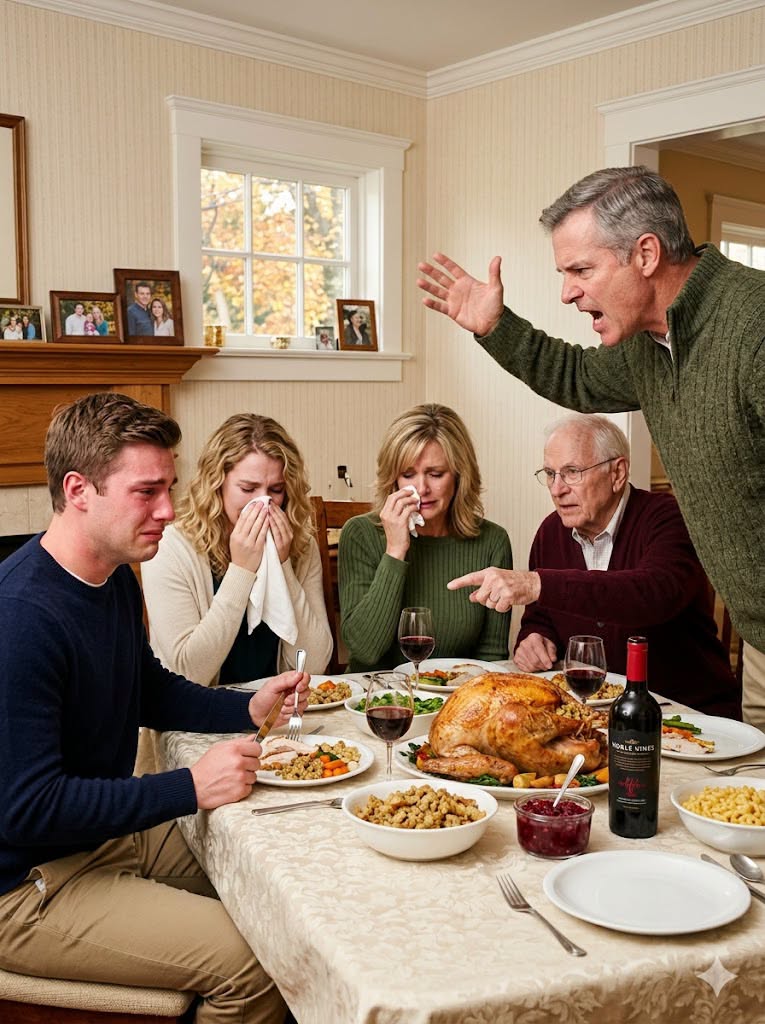
“And what does Claire pay?”
“Nothing,” my mother answered.
Claire lived there with her two children.
She paid no rent, bought very few groceries, and my parents regularly watched the kids for her.
Meanwhile, I covered my own expenses and still contributed to the household.
When my father argued that Claire needed more help because she was a single mother, my grandfather calmly replied,
“Helping one child shouldn’t mean taking advantage of another.”
Then he turned to me.
“Pack a bag.”
My parents protested immediately.
They said I was abandoning the family.
My grandfather wasn’t persuaded.
Years earlier, he had helped them buy the house.
“I didn’t do that so one child could finance everyone else.”
Within twenty minutes, I had packed everything I owned and left with my grandparents.
For the first time in years, I slept without worrying about the next bill or being asked to babysit at the last minute.
A few weeks later, with my grandfather’s encouragement, I rented a small apartment of my own.
My parents and sister called constantly.
They needed money.
They needed childcare.
They needed favors.
For the first time in my life, I simply said,
“No.”
It wasn’t easy.
But each time it became a little easier.
Two years later, my grandfather passed away.
Among his belongings was a letter addressed to me.
He wrote that he wasn’t proud because I had become successful.
He was proud because I had finally realized my kindness didn’t require sacrificing my own future.
Several years later, I bought my first townhouse.
That Thanksgiving, my family gathered around my dining table instead.
As I looked around the room, I quietly thanked my grandfather.
He hadn’t just invited me out of a basement.
He had shown me that independence sometimes begins with one person saying,
“You deserve better.”