These phantom loads are not merely a minor inconvenience; they represent a significant portion of residential energy consumption that often goes unnoticed. Devices such as phone chargers, gaming consoles, microwaves, and sophisticated entertainment systems are notorious for their standby power requirements. While the draw of a single charger might seem negligible, the cumulative effect of dozens of devices remaining tethered to your wall outlets every hour of the day creates a steady, invisible drain on your monthly utility budget. By identifying which items in your home are the most frequent offenders, you can begin to reclaim that lost energy and reduce your overall environmental footprint without sacrificing the modern conveniences you rely on daily. This process of auditing your home is an excellent first step toward achieving a more sustainable lifestyle.
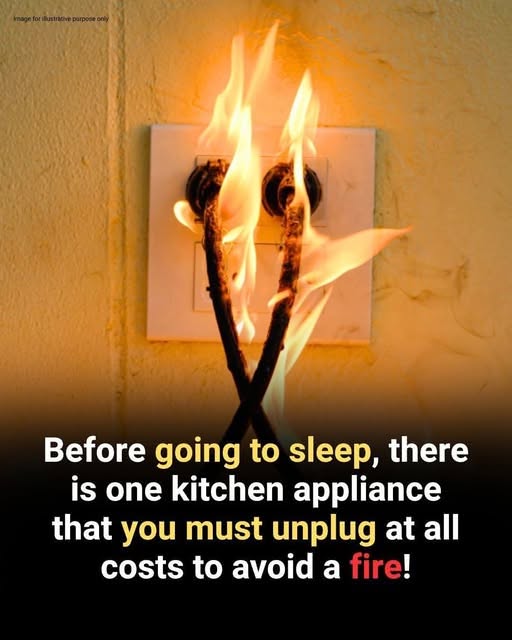
Beyond the financial implications of phantom power, there is a compelling safety argument for the habit of unplugging appliances when they are not in active use. Heating tools, such as hair dryers, curling irons, and portable space heaters, present unique risks. If these items are left plugged in, they can become hazardous due to accidental activation or internal electrical malfunctions that may lead to overheating. Even smaller kitchen gadgets, such as toasters or coffee makers, can pose a fire risk if their internal wiring degrades or if they are accidentally switched on while unattended. Unplugging these devices provides a physical barrier against potential electrical fires, offering homeowners a crucial layer of protection that goes far beyond simple energy savings. By removing the electrical connection, you eliminate the possibility of a short circuit or an accidental activation causing damage while you are away or asleep.
Managing your home’s electrical footprint does not require you to constantly crawl behind furniture to reach wall outlets. The most effective strategy for modern efficiency involves the use of power strips, particularly those equipped with individual on-off switches. By grouping related electronics—such as a television, soundbar, and gaming console—onto a single power strip, you can cut the power to all of them with one simple click. This method transforms a tedious chore into a seamless part of your daily routine. For those seeking even greater automation, smart plugs and programmable timers offer a sophisticated solution. These devices allow you to schedule when your electronics receive power, ensuring that appliances are only active during the specific hours you actually use them, which is particularly useful for coffee makers or lamps.
Establishing a routine is the key to long-term success in reducing phantom power. Consider making it a habit to disconnect non-essential electronics before you leave for work or head to bed. This practice not only reinforces your commitment to energy efficiency but also serves as a final safety check for your home. When you walk through your living space with the intention of unplugging idle devices, you become more aware of your surroundings, noticing potential issues before they escalate into larger problems. This mindful approach to home management fosters a sense of responsibility and control over your living environment that pays dividends in both comfort and security.
The benefits of this practice are multifaceted, touching upon everything from your monthly household budget to the physical security of your property. While the savings from unplugging a single device might seem small, the aggregate reduction in energy waste over the course of a year is substantial. Furthermore, the peace of mind that comes from knowing your home is free from unnecessary electrical hazards is invaluable. You are not just saving pennies; you are cultivating a safer, more efficient, and more intentional way of living that benefits both your family and your finances. It is a proactive stance against the creeping costs of modern living, ensuring that your resources are used only when you truly need them.
In conclusion, the path to a more efficient home is paved with small, consistent actions. Start by auditing your home to identify which devices remain in standby mode for long periods. Prioritize high-use electronics and heating tools, and invest in power strips or smart plugs to simplify the process of disconnecting them. By integrating these habits into your daily life, you will find that managing your home’s energy consumption becomes second nature. Ultimately, the simple act of unplugging is a powerful tool for anyone looking to lower their utility bills while simultaneously enhancing the safety and security of their household environment. By taking these practical steps, you ensure a more resilient home.