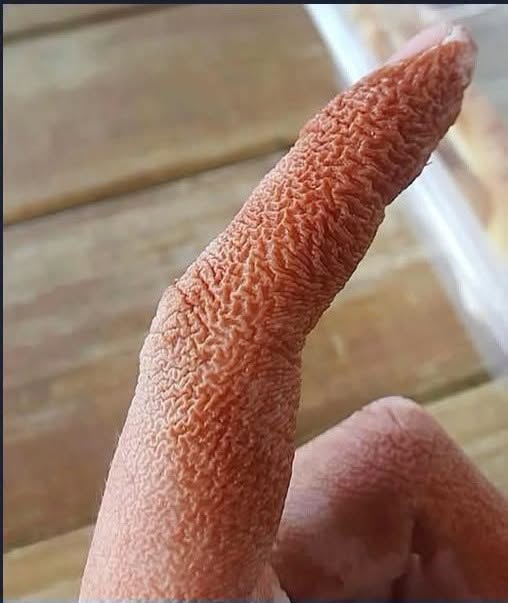
Doctors did not base the diagnosis on appearance alone.
The evaluation included blood tests, antibody testing, a skin biopsy, and additional laboratory studies to exclude conditions with similar presentations, including allergic reactions, contact dermatitis, drug eruptions, and cutaneous lupus.
The blood work revealed leukocytosis, an elevated white blood cell count, along with neutrophilia, meaning an increased number of neutrophils.
These findings are commonly associated with Sweet syndrome.
While awaiting biopsy results, physicians started treatment with oral corticosteroids to reduce inflammation.
Improvement came quickly.
Within two days, the patient’s pain lessened, and the skin lesions began fading.
About three weeks after the initial outbreak, the biopsy confirmed the diagnosis of Sweet syndrome.
What Is Sweet Syndrome?
Sweet syndrome is a rare inflammatory disorder characterized by the sudden appearance of painful red or reddish-purple bumps and plaques, most often affecting the face, neck, arms, and upper body.
Microscopic examination shows large numbers of neutrophils collecting within the deeper layers of the skin.
Normally, these immune cells help the body fight infection.
In Sweet syndrome, however, they accumulate as part of an exaggerated inflammatory response.
Researchers believe the condition involves abnormal immune signaling, although the exact cause is not fully understood.
Some cases develop after infections.
Others occur following the use of certain medications.
In some patients, Sweet syndrome may also be associated with underlying illnesses, including certain cancers, making a thorough medical evaluation especially important.
What Readers Should Know
Because Sweet syndrome can resemble many other skin disorders, diagnosis usually requires a combination of medical history, physical examination, laboratory testing, and a skin biopsy.
Drug-induced cases have been reported after exposure to several types of medications, including some antibiotics, contraceptives, antiepileptic drugs, blood pressure medications, selected vaccines, and colony-stimulating factors used in some cancer treatments.
Stopping the suspected medication, when appropriate, is often part of the treatment plan.
Oral corticosteroids remain the standard treatment for many patients, and improvement is frequently seen within days.
Even so, treatment should always be guided by a qualified healthcare professional because other serious skin conditions can appear very similar.
The skin sometimes provides the first sign that something deeper is happening within the immune system.
A painful rash that develops suddenly—particularly after starting a new medication or alongside fever or general illness—deserves prompt medical assessment.
Early evaluation can help identify uncommon conditions like Sweet syndrome and ensure that the most appropriate treatment begins as soon as possible.