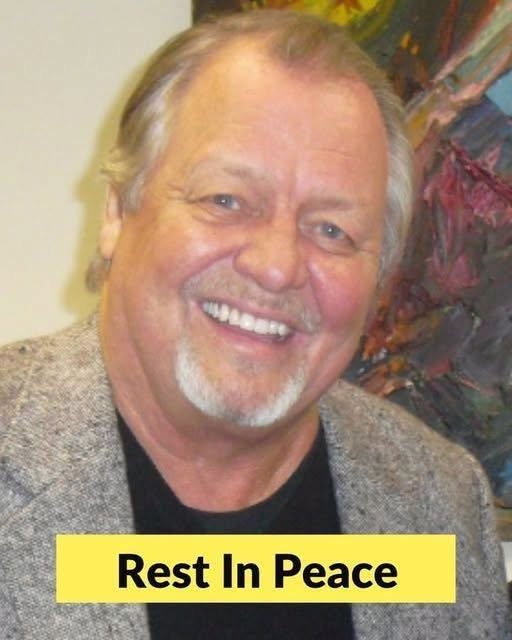
surrounded by his loving family after a valiant battle for life. The announcement brought a quiet conclusion to a career that spanned generations and crossed multiple artistic mediums, marking the end of a journey that began long before he became a household name. While his role in the iconic series Starsky and Hutch remains his most recognizable contribution to the medium, his professional life was characterized by a restless creative spirit that refused to be confined to a single genre or persona.
Born into a world that would eventually know him for his charm and intensity, Soul navigated the complexities of fame with a steady hand and a commitment to his craft. His performance as Hutch, the thoughtful and composed partner to Paul Michael Glaser’s more impulsive Starsky, provided a perfect balance that kept audiences captivated for years. The chemistry between the two leads was palpable, turning a standard police procedural into a phenomenon that defined the aesthetic and energy of 1970s television. Yet, to view his career solely through the lens of that red-and-white Ford Gran Torino is to miss the breadth of his artistic endeavors.
Beyond the police precinct, Soul demonstrated a remarkable range that allowed him to transition between various roles with ease. His earlier work in films such as Magnum Force showcased his ability to inhabit characters that demanded both vulnerability and grit. As his career progressed, he transitioned seamlessly into various television guest spots, including memorable appearances on programs like Murder, She Wrote. These roles allowed him to demonstrate his versatility, proving that his talents were not limited to the high-octane action sequences that made him famous. He possessed a natural ease in front of the camera that allowed him to connect with audiences across different types of storytelling, from sweeping epics like Secret of the Sahara to more intimate character studies.
His interests were never limited to the screen. Soul was also a gifted singer, a pursuit that allowed him to express a different facet of his personality. Music provided him with a platform for personal expression that complemented his acting work, and he often integrated his vocal talents into his broader career path. This duality of talent—acting and singing—made him a multifaceted entertainer who could hold an audience’s attention whether he was delivering a line of dialogue or performing a song on stage. His commitment to the arts extended to the theater as well, where he took on challenging and unconventional projects, such as his role in Jerry Springer: The Opera. This choice highlighted his willingness to take risks and his desire to engage with complex, provocative material that pushed the boundaries of traditional performance.
Throughout his life, Soul maintained a level of dignity that earned him the respect of his peers and the admiration of his fans. He was a man who understood the value of his work while remaining grounded in the realities of his personal life. When the news of his passing was shared by his wife, it was done with a grace that mirrored the way he lived his final years. The description of his passing as a valiant battle for life speaks to the quiet courage he exhibited when faced with health challenges, choosing to spend his final moments in the comfort of his family rather than in the public eye.
The legacy he leaves behind is not just one of iconic television moments or hit songs, but of a life lived with purpose and variety. He was a performer who understood that the true measure of a career is not found in the awards or the fame, but in the connections made with those who watched him grow and evolve over time. His work continues to be accessible to new audiences, ensuring that the character of Hutch and his other contributions remain a part of the cultural landscape for years to come.
As the entertainment industry reflects on his passing, many are remembering the warmth he brought to his roles and the professionalism he maintained throughout his long career. He was a steady presence in an industry known for its volatility, providing a sense of reliability that audiences found comforting. His family’s request for privacy during this time of mourning underscores the intimacy of their loss, reminding us that behind every public persona is a human being whose absence is felt most deeply by those closest to him. As of the latest reports, he remains remembered as a dedicated artist who left an enduring impact on the world of entertainment.