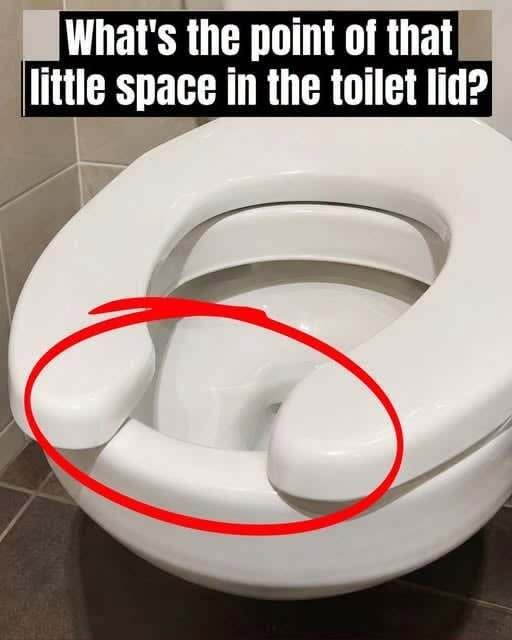
One of the main reasons for the open-front design is to reduce contact between the user and the toilet seat. The gap at the front provides additional clearance, helping minimize skin contact and reducing the likelihood of coming into contact with moisture or urine that may collect on the front of the seat.
In busy public restrooms—such as those in airports, schools, shopping centers, stadiums, and office buildings—this design can help improve overall sanitation by reducing the areas most likely to become soiled.
Easier to Clean
The open-front shape also makes cleaning more efficient. With less surface area and easier access to the bowl, custodial staff can clean and disinfect the seat more quickly and thoroughly.
Given the high number of people who use public restrooms each day, even small improvements in cleaning efficiency can save time while helping maintain better hygiene standards.
Lower Manufacturing and Replacement Costs
Because U-shaped seats use slightly less material than fully enclosed seats, they can be less expensive to manufacture. While the savings for a single seat are modest, they can add up for schools, businesses, hospitals, and other facilities that maintain hundreds or even thousands of restroom fixtures.
Replacement costs may also be slightly lower over time due to the reduced amount of material used.
Less Attractive for Theft
Another practical advantage is that commercial U-shaped toilet seats are generally less desirable for home use. Since most residential toilets use closed-front seats, an open-front commercial seat often doesn’t match homeowners’ preferences and may not fit every residential fixture.
Although theft prevention isn’t the primary reason for the design, it can be an added benefit for facilities that manage large public restrooms.
A Design With a Purpose
The open-front toilet seat may not attract much attention, but it reflects decades of practical design. By improving hygiene, simplifying cleaning, reducing material use, and offering operational benefits for public facilities, it has become the standard in many commercial restrooms.
What looks like a simple missing section is actually a carefully considered feature designed to make public restrooms cleaner, easier to maintain, and more practical for the millions of people who use them every day.