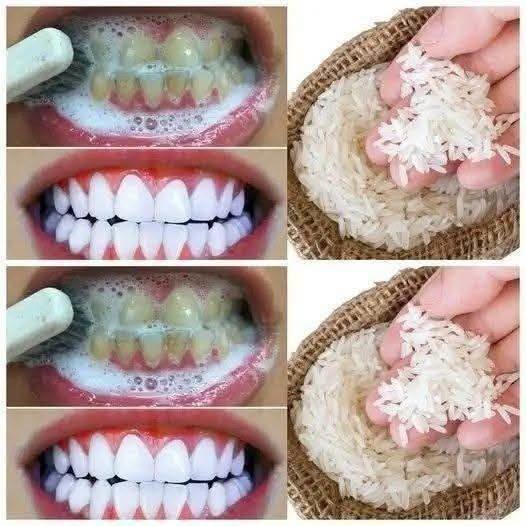
compromise the structural integrity of your smile. When you combine the coarse, abrasive texture of rice flour with the chemical acidity of lemon juice, you are not creating a gentle cleanser; you are crafting a potent, corrosive scrub. This mixture acts as a mechanical and chemical assault on your teeth. The rice flour acts as a gritty abrasive that physically scrapes away surface layers, while the citric acid from the lemon juice softens the mineral structure of the enamel itself, leaving it vulnerable to rapid erosion. Contrary to the claims circulating online, the addition of olive oil provides no protective barrier against this aggressive combination. Instead, it merely lubricates the abrasive particles, allowing them to scour the surface of your teeth with even greater efficiency. While the immediate result might appear to be a brighter smile, this effect is often a deceptive illusion. What you are witnessing is not a deep cleaning or a professional whitening process, but rather the rapid dehydration and micro-abrasion of the outer layer of your teeth. By aggressively polishing away the enamel, you are exposing the dentin underneath, which is naturally yellower than the translucent enamel that protects it. This means that the very method intended to whiten your teeth will, over time, lead to permanent yellowing, increased sensitivity to hot and cold temperatures, and irreversible damage that no amount of toothpaste can repair.
Enamel is a unique, non-regenerative tissue. Unlike skin or bone, once your enamel is worn away, your body cannot replace it. This makes the preservation of your natural tooth surface a critical priority for long-term oral health. When you participate in trends that prioritize temporary aesthetic gains over the biological health of your teeth, you are essentially trading your long-term comfort and dental stability for a fleeting social media moment. The cumulative effect of these abrasive scrubs can lead to thinning enamel, which makes teeth feel brittle, look duller, and become significantly more prone to decay and structural fractures. It is essential to recognize that the professional advice dentists provide is not a gatekeeping tactic, but a necessary safeguard against the dangers of DIY dentistry.
If your goal is a brighter, more confident smile, there are numerous safe and effective methods that respect the delicate nature of your enamel. The most reliable approach begins with products that have earned the seal of approval from dental associations. These ADA-approved whitening toothpastes are formulated with controlled levels of abrasives that are designed to lift surface stains without damaging the underlying tooth structure. They work by gently polishing the enamel while incorporating fluoride to help remineralize and strengthen the surface, providing a dual benefit that DIY rice scrubs simply cannot offer.
For those interested in natural oral care practices, oil pulling is a traditional method that has been used for centuries to support gum health and remove plaque. While it does not offer the dramatic, instant bleaching effect promised by viral hacks, it is a non-abrasive, safe practice that helps maintain a cleaner oral environment. Similarly, using a small amount of baking soda as an occasional, mild abrasive can help manage surface staining, provided it is used sparingly and with caution to avoid over-scrubbing. However, even these methods should be approached with moderation.
Ultimately, the most effective way to achieve a whiter smile is through professional dental treatments. Whether it is in-office professional whitening or dentist-supervised take-home trays, these options utilize controlled concentrations of whitening agents that target stains chemically rather than mechanically. By opting for professional care, you ensure that your oral health is monitored by a qualified expert who can assess the condition of your enamel and recommend a course of action that is both safe and tailored to your specific needs. A naturally shaded, intact tooth is far healthier—and ultimately more beautiful—than a brittle, over-bleached one that has been compromised by aggressive, unproven home remedies. Prioritizing the longevity of your enamel will serve you far better in the long run than chasing a filter-level white that comes at the cost of your dental health. Always consult with your dentist before starting any new whitening regimen to ensure your teeth are healthy enough for the process and to avoid the pitfalls of dangerous, viral trends. Evidence-based dental care remains the only truly reliable path to a bright, healthy, and lasting smile.
{"post":107369,"page":2,"next":[{"id":107365,"title":"I Came Home from a Work Trip and My 7-Year-Old Son Said, \u0027Don\u0027t Go Into My Room\u0027 \u2013 Of Course I Did","url":"https:\/\/new24.info\/107365"},{"id":107362,"title":"My Teenage Son Took the Diamond Ring My Late Mother Had Left Me and Sold It Behind My Back \u2013 When I Discovered Where the Money Had Gone, I Broke Down in Tears","url":"https:\/\/new24.info\/107362"},{"id":107359,"title":"I Hired an Actor to Play My Boyfriend at a Pool Party Where My Husband Arrived With the Woman He Left Me For \u2013 What My Fake Date Did Next Left Everyone Speechless","url":"https:\/\/new24.info\/107359"},{"id":107356,"title":"I Pretended to Be the Daughter of an Elderly Man I Met by Chance \u2013 Days Later, His Lawyer Found Me and Said, \u2018You Walked Straight Into His Trap\u2019","url":"https:\/\/new24.info\/107356"},{"id":107353,"title":"My Mother-in-Law Loudly Suggested I \u0027Stop Eating for Two\u0027 at My Own Baby Shower \u2013 My Mom\u0027s Response Made Her Run Out of Our House","url":"https:\/\/new24.info\/107353"},{"id":107347,"title":"I Took Guardianship of My 7 Grandchildren and Raised Them on My Own \u2013 10 Years Later, My Youngest Granddaughter Handed Me a Box That Revealed What Really Happened to Her Parents","url":"https:\/\/new24.info\/107347"},{"id":107350,"title":"The Decade-Long Deception That Stole My Daughter and Framed Her Best Friend","url":"https:\/\/new24.info\/107350"},{"id":107344,"title":"For Years, My Husband Thought My Poor Eyesight Kept His Secret Safe \u2013 Then I Came Home from Laser Eye Surgery, Looked Inside the Garage, and Screamed, \u2018This Can\u2019t Be Real!\u2019","url":"https:\/\/new24.info\/107344"},{"id":107341,"title":"My Daughter-in-Law Never Let Anyone Help Bathe the Baby \u2013 Until One Night She Fell Asleep on the Couch","url":"https:\/\/new24.info\/107341"},{"id":107338,"title":"Before My Husband Passed Away, He Asked Me to Deliver a Sealed Letter to a Woman I\u0027d Never Met \u2013 After Reading the First Line, She Looked at Me and Asked, \u0027Did He Tell You Everything?\u0027","url":"https:\/\/new24.info\/107338"},{"id":107335,"title":"The Strange Discovery in My Garden That Taught Me an Unexpected Lesson","url":"https:\/\/new24.info\/107335"},{"id":107333,"title":"A Principal\u2019s Lesson in Dignity: Why I Left My Son\u2019s Malibu Birthday Weekend Behind","url":"https:\/\/new24.info\/107333"},{"id":107329,"title":"Mother In Law Betrays Trust By Taking Grandson To An Undisclosed Location","url":"https:\/\/new24.info\/107329"},{"id":107325,"title":"Hiding My Four Million Dollar Inheritance Saved Me From A Cruel Deception","url":"https:\/\/new24.info\/107325"},{"id":107321,"title":"Secret Grandfather Will Destroys Cruel Parents After Unthinkable Family Betrayal","url":"https:\/\/new24.info\/107321"},{"id":107317,"title":"Exposing My Darkest Family Secrets Forced Me To Rebuild My Entire Life","url":"https:\/\/new24.info\/107317"},{"id":107313,"title":"Returning Soldier Uncovers Deceptive Family Plot To Take Her Young Daughter","url":"https:\/\/new24.info\/107313"},{"id":107309,"title":"Returning Home Early Reveals Heartbreaking Truth About Farmhouse Bought For Parents","url":"https:\/\/new24.info\/107309"},{"id":107305,"title":"Hidden Fraud Documents Destroyed My Greedy Family After A Tragic Loss","url":"https:\/\/new24.info\/107305"},{"id":107302,"title":"A Child\u2019s Innocent Observation Uncovers a Secret That Finally Heals Our Divided Family","url":"https:\/\/new24.info\/107302"}]}