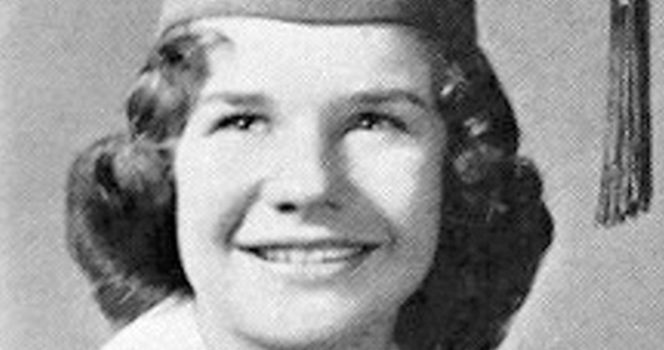
Born on January 19, 1943, Janis came from what appeared to be a conventional working family. Her mother, Dorothy, worked at a local college, while her father, Seth, was an engineer for Texaco.
The family valued religion, education, and a quiet, respectable life. But from an early age, it was clear that their daughter would not easily fit inside the expectations surrounding her.
Janis was intense, curious, demanding, and determined to follow her own path.
She was drawn to unusual people, challenging ideas, and music that existed outside the mainstream. While many of her peers tried to conform, Janis seemed almost compelled to do the opposite.

Port Arthur was deeply segregated during her childhood, and racial integration remained a bitterly contested issue. Janis and a small circle of intellectually curious friends stood apart from much of the town.
They read beatnik literature, listened to jazz, explored folk blues, and tried to understand experiences far removed from their own sheltered surroundings.
Janis developed a rebellious image early.
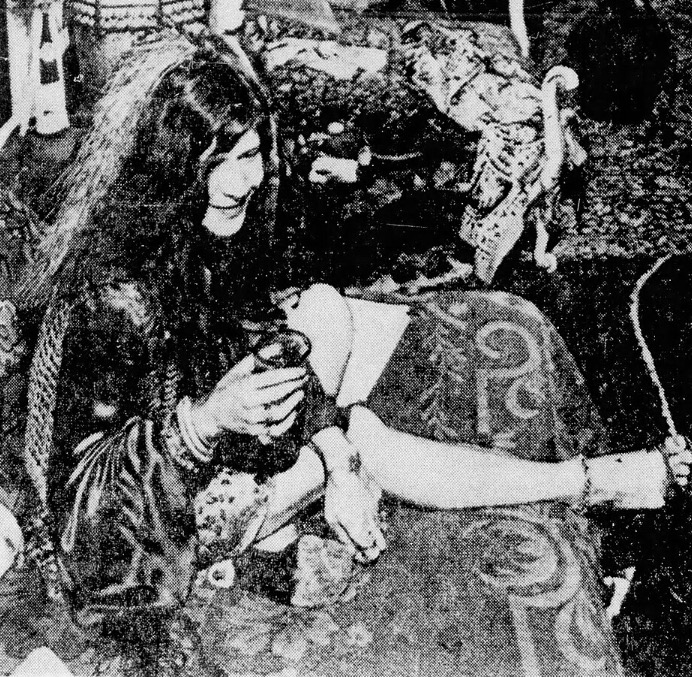
She wore clothes that defied local expectations, sometimes went without a bra, and experimented with her appearance. One friend recalled that she once frizzed her hair by attempting to dry it near an oven.
She also developed the unmistakable laugh that would later become part of her public personality.
According to one friend, Janis once asked whether her appearance and behavior had been “irritating enough.”
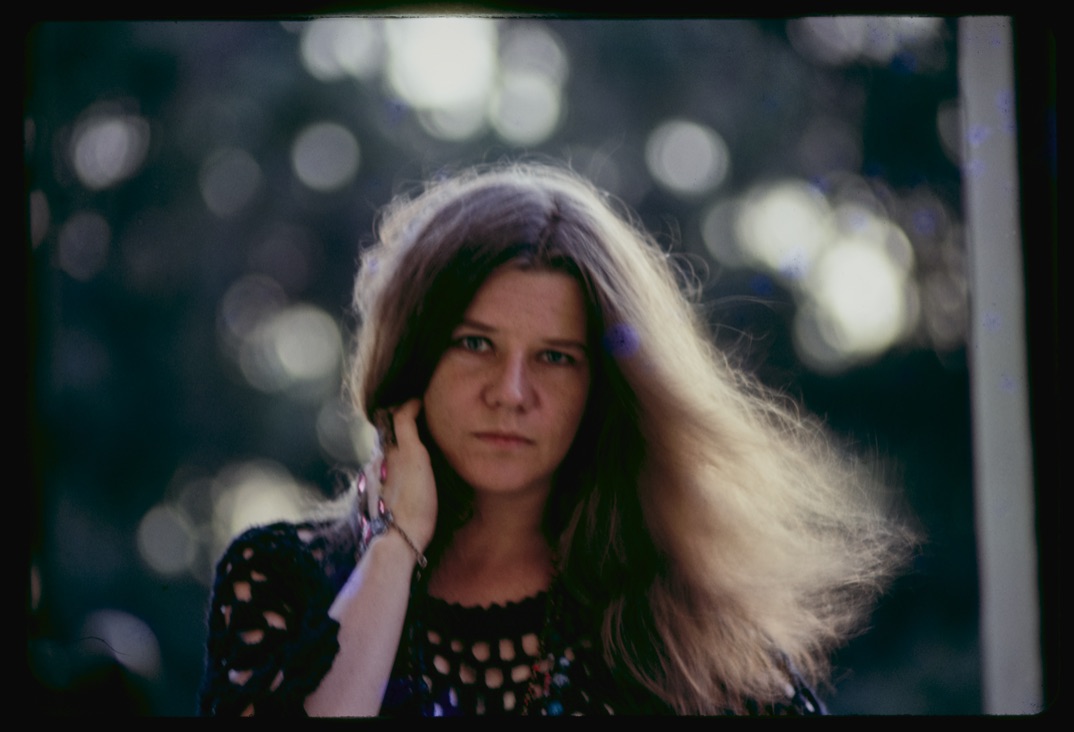
Behind the defiance, however, was a young woman who was deeply sensitive to rejection.
Janis discovered her love for singing during high school, especially blues and folk music. Yet those years were painful.
She endured relentless bullying and often found herself excluded socially.
During adolescence, she struggled with her weight and severe acne. The condition left visible scarring on her face and damaged her confidence.
Her younger sister, Laura, later described Janis’s skin as a seemingly endless outbreak of painful, bright red pimples.
One former classmate remembered how suddenly people’s perception of her changed.
“She had been cute, and all of a sudden she was ugly,” the classmate said.
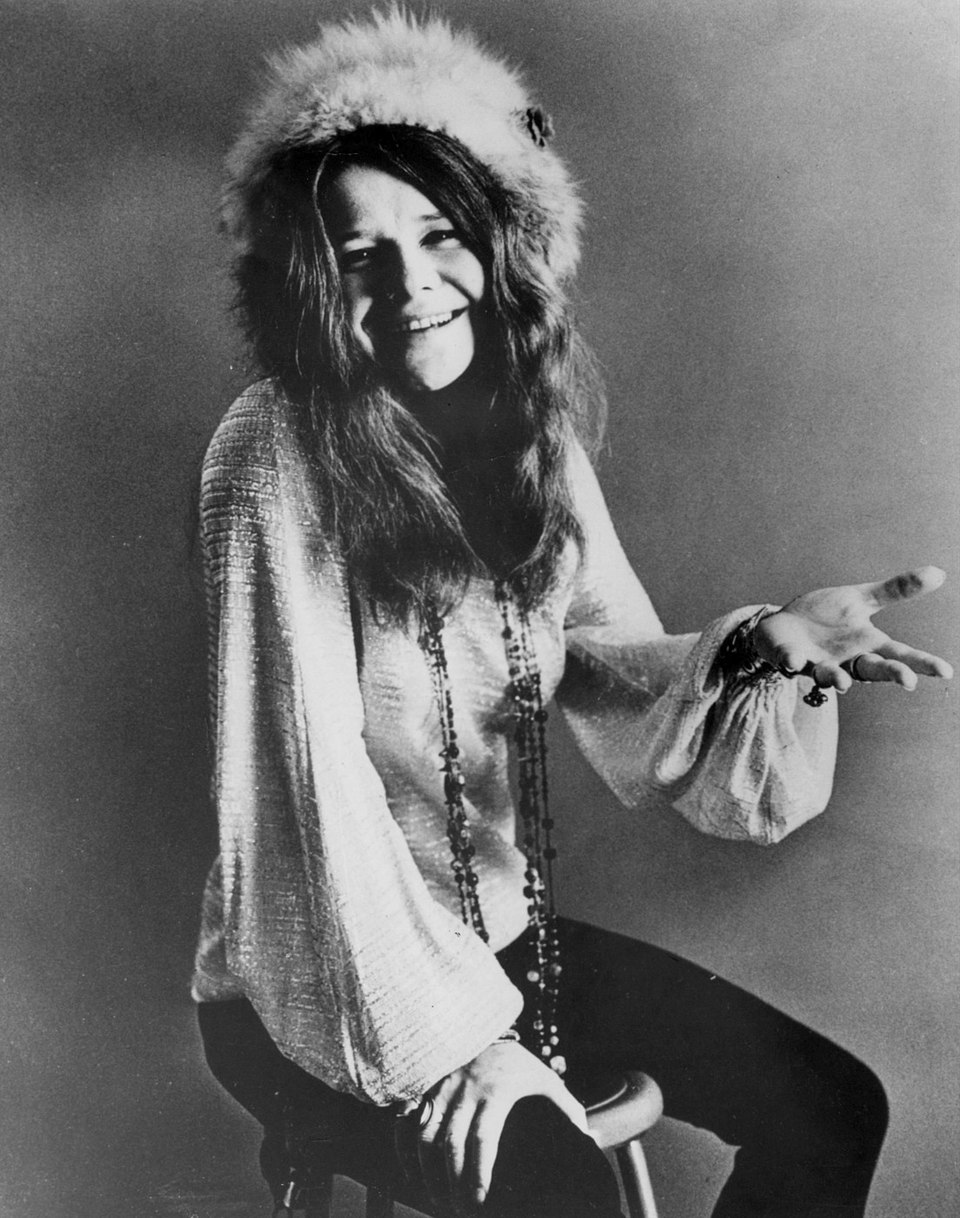
Cruel judgments about Janis’s appearance would follow her for years.
Even after she became famous, critics and strangers often focused on how she looked rather than the extraordinary voice that made her unforgettable.
After attending a local college, Janis transferred to the University of Texas at Austin.
She was impossible to miss.
She sometimes walked barefoot, wore Levi’s to class, and carried an autoharp so she could sing whenever the impulse struck.
“She ran with a tight group who hung out with books and ideas,” Laura later recalled.
Janis once again found herself surrounded by people who considered her unusual.
In 1962, she was reportedly nominated in a cruel campus contest for the “ugliest man on campus.” Accounts differ over whether she initially participated as a joke, but those close to her agreed that the incident deeply humiliated her.
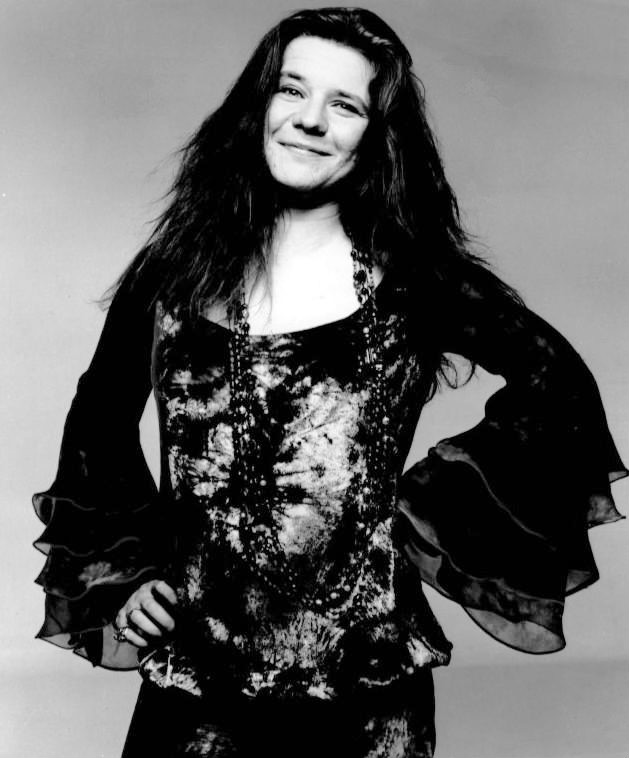
“She felt like an outsider,” Laura explained. “She couldn’t identify with the same goals and desires that a lot of her classmates had.”
Janis never forgot the way she had been treated.
The ridicule hardened part of her personality, but it also intensified her need to be loved, admired, and accepted.
There was one thing, however, that even her harshest critics could not dismiss.
Her voice.
It was raw, wounded, powerful, and unlike anything most audiences had heard from a young white singer.
In January 1963, Janis left college and traveled to San Francisco, determined to become a performer.
She sang in coffeehouses, survived on very little money, and depended on the kindness of friends and strangers.
Anyone who heard her could recognize her ability.
But the music industry of the early 1960s often favored young women with polished appearances and carefully controlled images.
Janis did not fit that mold.
Her greatest opportunities came through the folk and blues scene, which was still largely removed from mainstream commercial expectations.
Unfortunately, her growing artistic confidence developed alongside increasingly dangerous habits.
Janis had already gained a reputation for drinking while living in Austin. In San Francisco, she became immersed in a drug culture where stimulants and other substances were readily available.
When certain drugs became more difficult to obtain, she began using heroin.
She later described her appetite for drugs in brutally honest and explicit terms, admitting that she wanted nearly anything she could get her hands on.
As her career advanced, heroin became one way of numbing her fear, loneliness, and the overwhelming pressure of performing.
She also drank heavily.
Her name became closely associated with Southern Comfort, a drink she was frequently photographed holding.
After nearly two years in San Francisco, her health had deteriorated severely.
By 1965, Janis returned to Texas dangerously thin and physically exhausted.
For a time, it appeared she might abandon music entirely.
She lived quietly with her family, attended therapy, re-enrolled in college, and spoke seriously about becoming a secretary.
Old classmates were surprised to see her wearing conservative dresses and makeup, with her hair neatly pulled into a bun.
It seemed as though Janis was attempting to become the kind of woman her hometown could understand.
Then the telephone rang.
A new San Francisco band called Big Brother and the Holding Company needed a singer.
Janis was invited to join them.
Any plans for a conventional life immediately disappeared.
While she had been away, San Francisco had become the center of a growing counterculture movement.
The city was filled with psychedelic music, political rebellion, experimental art, and young people rejecting traditional American expectations.
Janis arrived at exactly the right moment.
Big Brother and the Holding Company gave her a platform, but Janis’s voice quickly became the center of attention.
Her performance style was explosive.
She did not simply sing a song.
She seemed to tear it open.
Every cry, rasp, and scream carried the force of someone pouring her entire emotional life into the microphone.
In June 1967, the band appeared at the Monterey Pop Festival.
They were initially scheduled for a relatively modest performance slot, but Janis stunned the audience.
Her rendition of “Ball and Chain” became one of the defining moments of the festival.
The crowd’s response was so powerful that the band was invited to perform again.
The appearance transformed Janis from an underground singer into a national sensation.
The group soon signed a major recording contract with Columbia Records.
Almost overnight, the young woman who had been mocked, ignored, and told she did not belong became one of the most desirable and talked-about performers in America.
Fame changed the way others saw her.
It also changed the way she spoke about herself.
Janis openly celebrated her sexuality and frequently boasted about her romantic encounters. She was linked to both men and women and was rumored to have had relationships with several famous figures.
After years of feeling unwanted, attention became intoxicating.
“I’m not a warthog that nobody wants to climb into bed with,” she once said. “Everybody wants to climb into bed with me.”
Her words were defiant, but they also revealed how deeply the rejection of her youth still haunted her.
Janis became one of the first women in rock music to achieve the level of celebrity, power, and cultural influence usually reserved for men.
She appeared on the covers of major magazines, including Newsweek and Rolling Stone.
She was not presented as a carefully polished pop star.
She was loud, vulnerable, sexual, chaotic, intelligent, and unapologetically herself.
After recording two albums with Big Brother and the Holding Company, Janis left the group to pursue a solo career.
She first performed with the Kozmic Blues Band and later assembled the Full Tilt Boogie Band, a group many believed provided the strongest musical support of her career.
Her recordings included unforgettable performances of “Piece of My Heart,” “Cry Baby,” “Down on Me,” “Ball and Chain,” and “Summertime.”
Her final studio recording was the haunting, humorous a cappella song “Mercedes Benz.”
Perhaps her best-known hit was “Me and Bobby McGee,” written by Kris Kristofferson.
Released after her death, the song reached number one on the Billboard Hot 100 in March 1971.
Janis drew inspiration from many artists, including Odetta, Billie Holiday, and Otis Redding.
But one of her greatest influences was blues legend Bessie Smith.
Janis admired Smith so deeply that she was disturbed to learn the singer had been buried in an unmarked grave.
In August 1970, Janis joined Juanita Green, who had known Smith as a child, in paying for a proper gravestone.
It was an act of respect from one groundbreaking female singer to another.
Despite her rebellious public image, Janis remained emotionally connected to her parents.
Her letters home reveal a young woman who desperately wanted them to understand her choices and be proud of her achievements.
After leaving Texas for San Francisco, she once wrote:
“Weak as it is, I apologize for being just so plain bad in the family.”
The sentence reflected the guilt she carried for choosing a life so different from the one her parents had imagined.
Her parents worried deeply about her drug use and lifestyle, but they did not abandon her.
According to Laura, they eventually accepted that they and Janis would not agree on many of her decisions.
Maintaining the relationship became more important than forcing agreement.
They were proud of her success, even when they did not understand the counterculture world she represented.
On at least one occasion, they invited friends to their home to watch Janis perform on national television.
Laura later explained that her parents had an honest relationship with Janis.
They worried about her, questioned whether they had failed her in some way, and struggled to understand the dangers surrounding her.
But they continued loving her.
By 1970, Janis appeared to be entering a promising new stage in her career.
Her work with the Full Tilt Boogie Band was receiving strong praise, and recording sessions for what would become the album “Pearl” were progressing well.
She seemed happy in the studio during the final days of her life.
But her personal world remained unstable.
She was involved in complicated relationships and continued struggling with addiction.
On October 4, 1970, Janis Joplin was found dead in her room at the Landmark Motor Hotel in Los Angeles.
She was only twenty-seven years old.
Her road manager and close friend, John Byrne Cooke, discovered her.
Earlier that day, Janis had worked in the studio and reportedly appeared to be in good spirits.
She later returned to her hotel.
At some point, she used heroin.
She then walked to the lobby to purchase cigarettes and spoke cheerfully with the night employee before returning to her room.
She was later found holding the cigarettes and loose change.
Her death was attributed to an accidental heroin overdose, with alcohol also believed to have contributed.
Reports indicated that the heroin circulating in Los Angeles at the time was unusually potent and was connected to several other deaths.
Janis was cremated in Los Angeles.
Her ashes were scattered over the Pacific Ocean.
Her death placed her among a haunting group of influential musicians who died at twenty-seven, but reducing Janis to the tragedy of her final years ignores the magnitude of what she accomplished.
She changed the role of women in rock music.
She proved that a female performer did not need to appear delicate, controlled, or conventionally beautiful to command a stage.
Her beauty came from intensity.
From honesty.
From the willingness to expose every wound in her voice.
Janis Joplin was never merely a singer standing apart from the crowd.
She seemed to belong to the audience as much as she belonged onstage.
She sang for outsiders because she had been one.
She sang about longing because she understood it.
She sang with the desperate force of someone who had spent her life wanting to be accepted without having to become someone else.
More than five decades after her death, that voice remains impossible to ignore.
Janis Joplin was vulnerable, rebellious, deeply flawed, and astonishingly gifted.
She was not just an icon of the counterculture era.
She was its wounded heart.