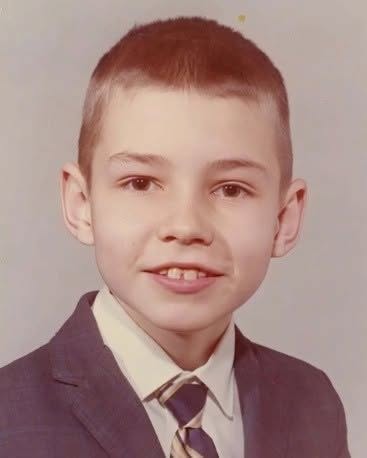
The rhythmic scrubbing of floors became his first stage, a place where he practiced the contortions and vocal gymnastics that would later define his meteoric rise to stardom. He learned early on that humor was a potent survival mechanism, a way to deflect the harshness of his circumstances and command the attention of a world that often looked past him. When he finally broke into the industry, that same frantic, high-energy persona became his greatest asset. He was a force of nature, a box-office titan whose kinetic performances seemed to defy the very laws of human anatomy. For years, he was the man who could do anything, the performer who never stopped moving, never stopped talking, and never stopped delivering the manic intensity that audiences craved. Yet, beneath the layers of greasepaint and the relentless demand for more, a quiet, persistent realization began to take root. He started to recognize that the version of himself the world celebrated was, in truth, an elaborate, restrictive mask that he had spent years crafting to please others.
The fame that had once been his salvation began to feel like a gilded cage. Every role he inhabited, every interview he gave, and every public appearance he made felt like a performance of a character he no longer fully recognized as himself. The expectations of an industry that demanded constant reinvention and perpetual energy started to chafe against a growing desire for internal stillness. He had spent his life proving his worth through external validation, but the more he achieved, the more he felt the erosion of his genuine self. The disconnect between the man on the screen and the man in the mirror became impossible to ignore. He realized that if he continued to feed the machine, he would eventually lose the very soul that had fueled his ascent in the first place, leaving behind only a hollow shell of a man.
Choosing to step back from the spotlight at the absolute zenith of his career was not an act of surrender, but one of profound reclamation. It was a deliberate, courageous decision to prioritize his own humanity over the manufactured image that had brought him such immense, yet hollow, success. The transition was not instantaneous; it was a slow, deliberate shedding of habits that had served him for decades. He retreated into the quietude of his own life, far from the flashbulbs and the relentless scrutiny of the public eye. In this newfound space, he discovered the transformative power of the canvas. Painting allowed him to externalize the complex, often unspoken emotions that had been buried beneath his comedic persona. It was a medium that required no audience, no applause, and no performative energy—only the raw, honest expression of his inner world, which had been silenced for far too long by the noise of his own celebrity.
In the solitude of his studio, surrounded by colors and textures, he found a different kind of articulation. He began to explore themes of identity, mortality, and the nature of consciousness, topics that had no place in the scripts he once memorized. This was not a retirement into obscurity, but an awakening into a more authentic existence. He found that he did not need to be the loudest person in the room to be significant. He did not need to be the center of attention to possess a sense of purpose. The act of creation shifted from a public commodity to a private necessity, a way to map the landscape of his own mind without the interference of external expectations. He was no longer performing for a paycheck or a legacy; he was living for the integrity of his own experience, finally finding peace in the absence of the constant, blinding glare of the spotlights.
The industry, ever eager to categorize and consume, struggled to understand his departure. They looked for drama, for a hidden scandal, or for a sudden, tragic reason for his withdrawal. They could not fathom that a man who had reached the pinnacle of success would willingly walk away simply because he had outgrown the role. But for Carrey, the choice was the most logical one he had ever made. He had spent his life being everyone else, and finally, he was afforded the luxury of being himself. The mask, once so vital, had become a burden he was finally strong enough to set down. He found that the silence he had once feared was actually a sanctuary, a place where he could finally hear his own heartbeat without the roar of the crowd drowning it out, allowing him to breathe freely for the first time in his adult life.
As the years passed, his identity solidified in the quiet moments of reflection and the deliberate strokes of his brush. He became a man defined not by his box-office records, but by his capacity for introspection and his commitment to his own truth. He had traveled from the poverty of a tent to the heights of global fame, only to realize that the most difficult journey was the one that led him back to himself. The final chapter of his professional life was not written in a script, but in the peaceful, unhurried rhythm of a life reclaimed. He had finally resolved the conflict between the performer and the person, finding a harmony that no amount of fame could ever provide. In the end, he discovered that the greatest performance of his life was the one he gave in total privacy, living a life that was finally, unequivocally, his own, grounded in the quiet reality of his own existence.