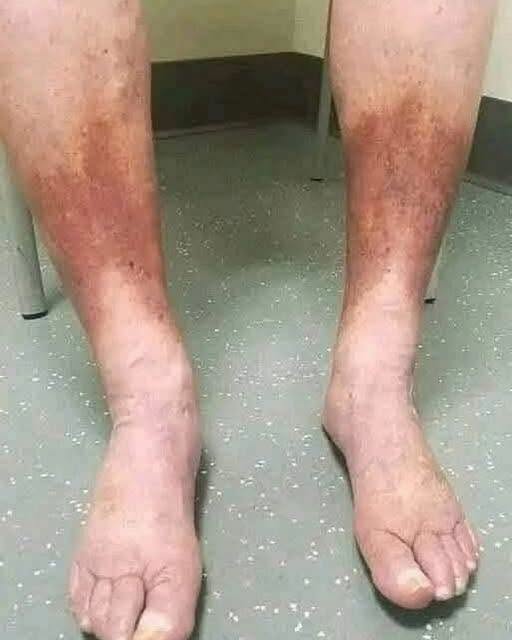
and careful observation to ensure that underlying conditions are not overlooked. When swelling occurs, it is frequently the result of gravity pulling fluids downward, particularly after extended periods of standing or sitting. Environmental factors, such as high ambient temperatures, can cause blood vessels to dilate, leading to increased fluid accumulation in the tissues of the feet and ankles. Furthermore, dietary choices, specifically the consumption of excessive sodium, can disrupt your body’s fluid balance, encouraging the retention of water that eventually settles in the lower limbs. Minor injuries, such as a sprain or a strain, can also trigger localized inflammation as part of the body’s natural healing response. In many of these everyday scenarios, the swelling is transient and manageable through lifestyle adjustments. Simple measures like elevating your feet above the level of your heart, engaging in regular, gentle movement to promote blood flow, maintaining consistent hydration, and allowing your body adequate rest can often resolve these temporary issues effectively. However, it is crucial to remain vigilant, as the persistence of these symptoms can sometimes suggest that the swelling is not merely a reaction to daily life but a manifestation of a more systemic health challenge.
There are specific scenarios where swelling warrants a more cautious approach and a consultation with a healthcare professional. If you notice that your feet remain swollen consistently despite attempts to reduce it, or if the swelling is unilateral—meaning it affects only one foot or one leg—this is a significant clinical indicator that should not be dismissed. Unilateral swelling can sometimes point to localized issues within the vascular system, such as a blockage or a problem with blood flow that requires diagnostic evaluation. Furthermore, if the swelling is accompanied by pain, tenderness, or a change in skin color or temperature, it is essential to prioritize a medical assessment to rule out more complex vascular or inflammatory conditions.
Beyond the physical appearance of the feet, the context in which the swelling occurs is paramount. If you experience breathing difficulties, chest discomfort, or a persistent sense of unusual fatigue, these symptoms must be treated with urgency. These signs can be indicative of systemic issues involving the heart, kidneys, or the intricate network of blood vessels throughout the body. The heart, for instance, may struggle to pump blood effectively, leading to fluid backup in the extremities, while kidney function issues can prevent the body from properly regulating fluid levels. Because your feet are distant from your heart, they can serve as a diagnostic window, offering subtle clues about the efficiency of your circulatory and organ systems. Ignoring these signals can delay the identification of conditions that, if addressed early, might be managed more effectively through targeted medical intervention or lifestyle modifications.
It is also important to consider the role of chronic health factors. Individuals with existing circulatory issues or those managing conditions that impact blood vessel integrity may find that their feet are more susceptible to swelling. In these instances, proactive management is key. This involves not only monitoring the feet for changes but also adhering to the guidance of medical providers regarding medication, activity levels, and dietary management. By staying active and making informed, health-conscious choices, you can often mitigate the frequency and severity of swelling episodes, transforming what might be a source of anxiety into a manageable aspect of your overall wellness strategy.
Furthermore, it is worth noting that the body’s response to fluid regulation is highly individual. What might be a negligible amount of swelling for one person could be a noticeable change for another. This variability makes self-monitoring a critical component of your health routine. Keeping a mental or written log of when the swelling occurs—such as noting if it happens after specific meals, certain types of physical activity, or during particular times of the day—can provide valuable context when you eventually speak with a doctor. This information helps healthcare providers differentiate between transient, lifestyle-related puffiness and symptoms that require clinical investigation.
Ultimately, while many instances of swollen feet are harmless and resolve with rest and basic self-care, the distinction between benign fluid retention and a symptom of an underlying medical condition is essential. Maintaining a balanced perspective—neither ignoring persistent symptoms nor panicking over minor, temporary puffiness—is the most prudent approach. By paying close attention to your body’s signals, you can ensure that you are taking the necessary steps to protect your long-term health. If you are ever in doubt regarding the cause or duration of your swelling, seeking the guidance of a qualified healthcare provider is the most reliable way to obtain an accurate assessment and appropriate care plan. Evidence-based practice emphasizes that early detection and professional consultation remain the cornerstones of managing lower extremity swelling safely and effectively, ensuring that your path toward better health is supported by accurate medical understanding rather than speculation.